The cost of Chinese solar module manufacturing will rise in the first half of 2026, though module prices may fall again before the end of the year, according to a solar researcher from Rystad Energy.
Production costs for Chinese manufacturers will rise due to a combination of factors, including policy changes and the market prices of polysilicon and silver, said Marius Mordal Bakke, vice president of solar research at Rystad Energy. He was speaking this morning on a webinar hosted by PV and BESS technical consultancy Sinovoltaics,
Try Premium for just $1
- Full premium access for the first month at only $1
- Converts to an annual rate after 30 days unless cancelled
- Cancel anytime during the trial period
Premium Benefits
- Expert industry analysis and interviews
- Digital access to PV Tech Power journal
- Exclusive event discounts
Or get the full Premium subscription right away
Or continue reading this article for free
Early this year, the Chinese government confirmed plans to remove the 9% export tax rebate on solar wafers, cells and modules from April. This will see some costs that were previously absorbed by the rebate passed down the supply chain.
While the rebate removal won’t fundamentally alter supply and demand dynamics in the solar industry, Bakke said, it will create a new cost environment which will dictate the price of exported Chinese modules, particularly in Europe.
However, demand for Chinese modules is expected to dip in 2026, he said, driven by a slowdown in the domestic Chinese market and slowed demand in Europe and Australia. Growth markets like India, Turkey, and the US have largely been inaccessible to Chinese module producers due to protectionist policies.
In fact, Bakke suggested that Europe will be “oversupplied with Chinese modules for some time” off the back of a procurement “surge” in anticipation of the rebate removal in April, combined with a shrinking market in 2026 and supply resilience measures under the Net Zero Industry Act (NZIA) which effectively bar Chinese modules, cells and inverters from certain European public procurement contracts.
This will put further pressure on module manufacturers producing and exporting new products with cost-adjusted prices.
Silver and polysilicon costs
The skyrocketing price of silver and stuttering efforts to shape China’s polysilicon industry will also affect module production costs and prices in the coming year.
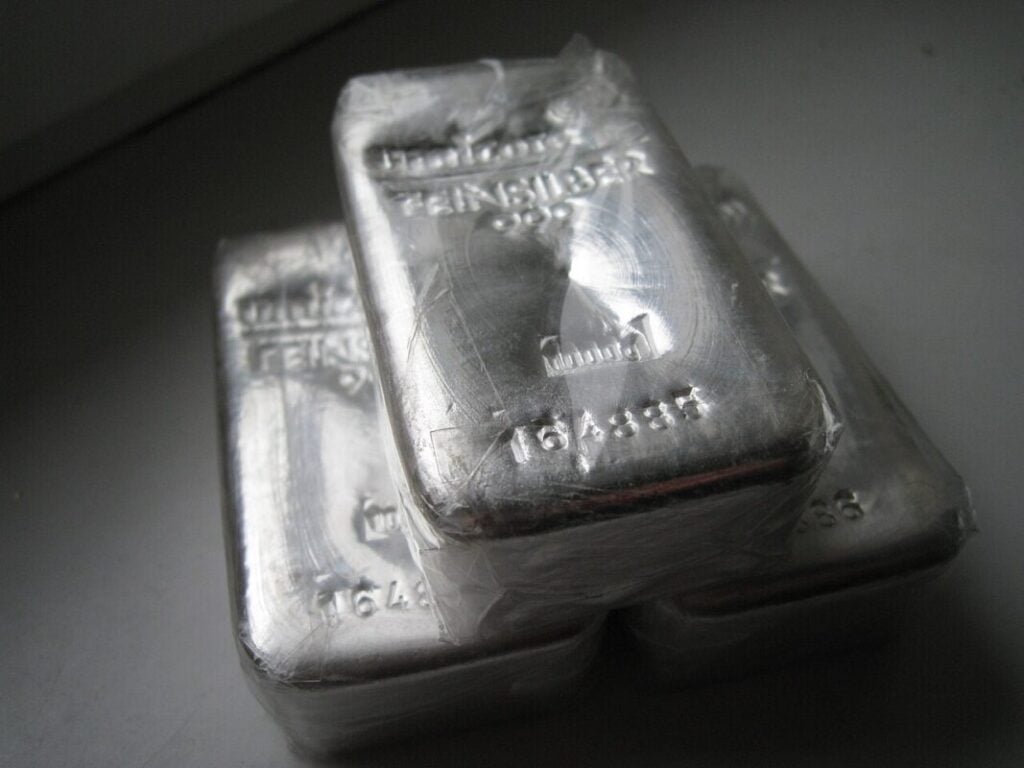
The price of silver has risen “vertically” since the start of 2026, Bakke said, as demand has outstripped supply and the mining industry lacks the flexibility to adjust. This will influence the cost of solar cell production, and selling prices will likely rise as a result.
One solution will be the replacement of silver with copper and copper pastes in cell production. The solar industry has been undergoing this shift over the last year, and Bakke said: “Significant amounts of Tier-1 capacity in China is now moving from silver to copper, and it’s started to happen in 2026.”
The adoption of copper – a cheaper material than silver – would reduce price pressure on modules, and it is possible that the silver price may fall again. Bakke said some analysts claim the current silver price is inflated and “not the real price of silver”. Adopting copper would come with its own technical challenges, notably in efficiency and degradation. “Degradation increases when using copper instead of silver, especially in humid conditions. Copper is also a worse conductor than silver,” Bakke explained.
Polysilicon prices have also rallied a little since measures from Beijing and industry consolidation plans emerged late last year. However, Bakke said these changes are unlikely to last, as the biggest Chinese firms began to produce more inventory when their profits increased, which does not align with slowing demand for Chinese products. Polysilicon market analyst Johannes Bernreuter made a similar observation early this year, when China’s anti-trust and monopoly regulator raised concerns about plans to consolidate the industry among the leading players.
While polysilicon producers have returned to profitability, rising cell costs and stagnant demand have meant that cell producers are still in the red, even as prices have risen. Bakke said: “They are not necessarily making any money, even if price quotes and actual transaction prices for solar cells have increased.”
What is the long-term solar price outlook?
Ultimately, Bakke said that all of these factors will induce a price rise in the next few months, but that after April, Europe will slow its procurement of Chinese modules and “prices will drop after an initial hike”. Amid oversupply and lessened demand, it may be hard to sustain significantly higher prices for long.
The floor will be raised for module prices, he said, as the 9% tax rebate isn’t a sustainable loss for big module producers alongside fluctuating cell and polysilicon costs. But ultimately “you will see a short-term increase before it just drops, and it tends to drop below the cost levels,” Bakke said. “It’s difficult to look with a crystal ball, but if manufacturers are not adhering to what’s happening in the market [slower demand], prices will drop back below the cost”.