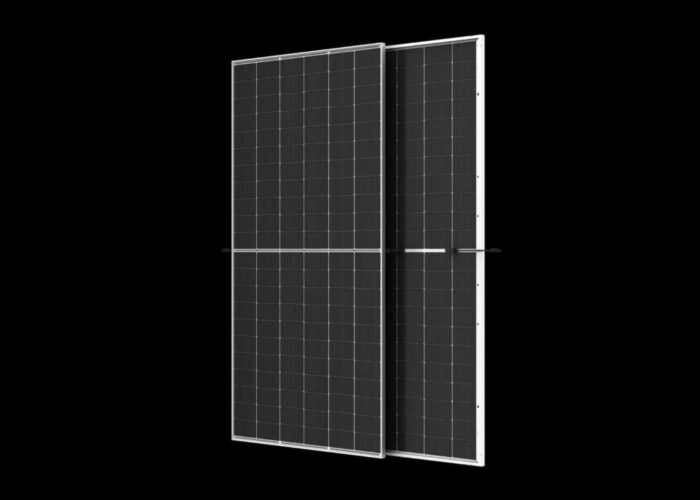
PV modules will keep changing in the quest for higher efficiency and energy yield. However, the rapid and sometimes simultaneous introduction of new technologies increases overall quality risk, writes George Touloupas, senior director at Clean Energy Associates.
US PV incentives should be entirely focused on solar cell manufacturing in the short term, with maximum incentive rates given to domestic solar cell production that ultimately has a risk-free supply chain of materials and equipment, writes Finlay Colville, head of research at PV Tech.
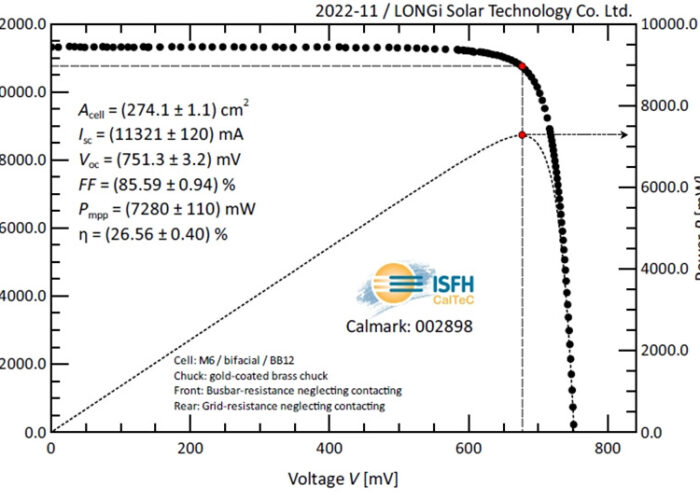
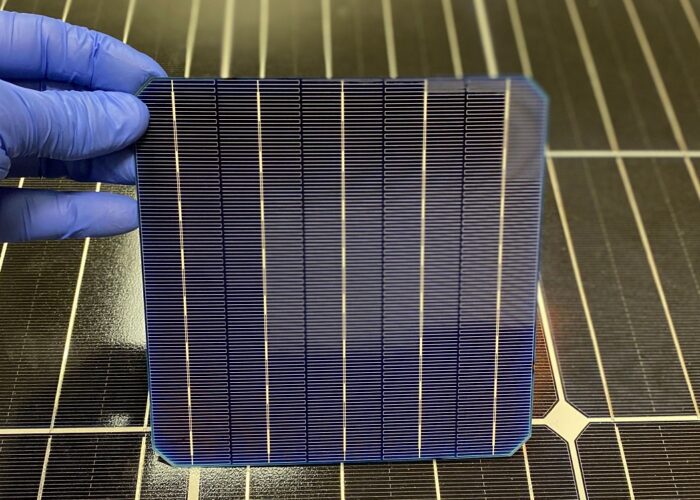
LONGi has announced that it has established new cell efficiency world records of 26.56% for a p-type HJT cell and 26.09% for an indium-free HJT cell, based on an M6 full-size mono-crystalline silicon wafer and its self-developed mass production process, the results certified by Germany's Hamelin Solar Energy Research Institute (ISFH).
Newly granted patents for solar cell architecture that reduces silver costs and increases power generation could see the new technology draw closer to commercialisation.
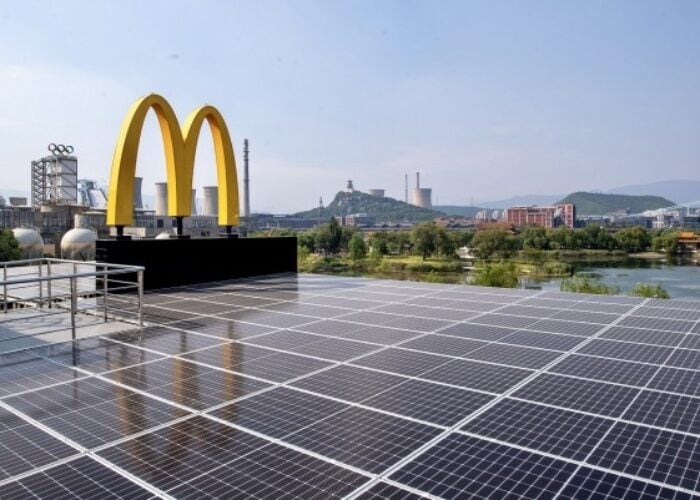
Having installed PV modules from Chinese manufacturers, McDonald’s China has opened a “zero-carbon restaurant” in Beijing, the company’s first of its kind in the country.
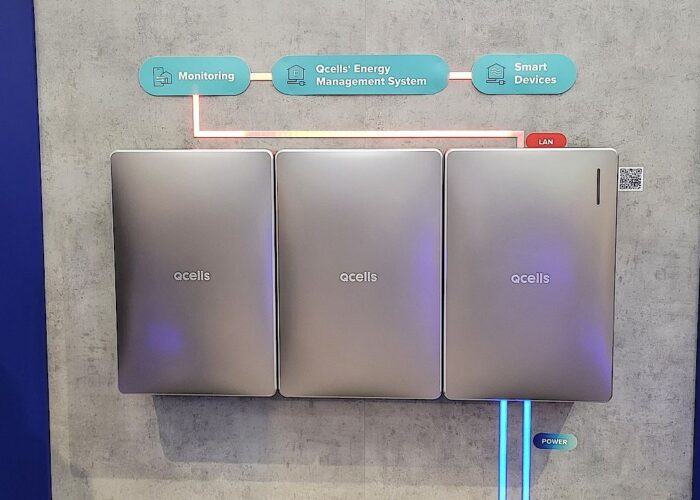
Qcells has its eye on the US with several recently announced plans for large investments in manufacturing, but it is also rebranding away from pure module manufacturing to also offer holistic home energy solutions with a push in the UK market.
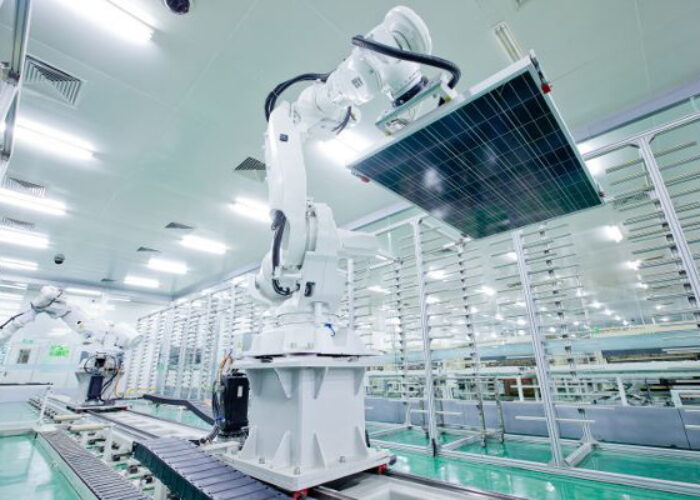
The solar PV industry is forecast to produce 310GW of modules in 2022, representing an incredible 45% year-on-year increase compared to 2021, according to the latest research undertaken by the PV Tech market research team and outlined in the new PV Manufacturing & Technology Quarterly report.
JinkoSolar is on track to end the year with 70GW of solar module manufacturing capacity after posting better-than-expected results for the third quarter.