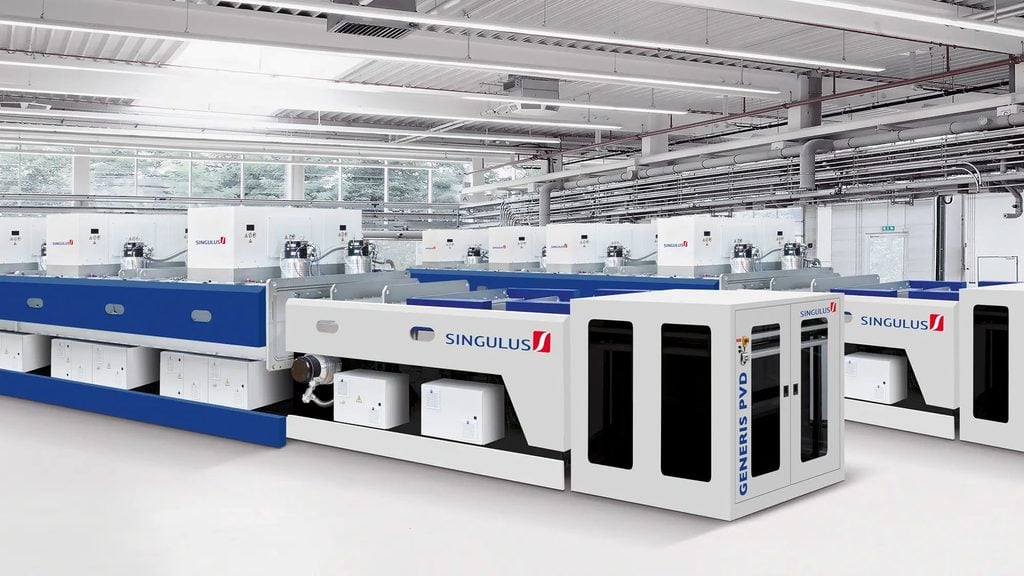
German solar cell production equipment company Singulus Technologies has secured a supply contract with SpaceX.
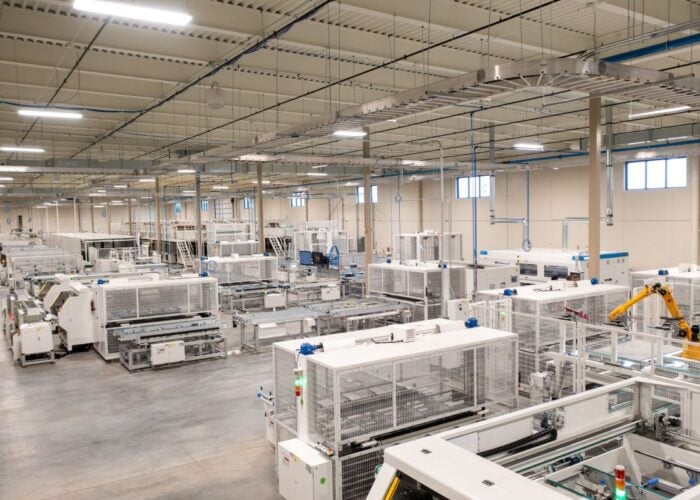
The supply agreement will cover a turnkey production line for manufacturing heterojunction (HJT) solar cells. It is also part of a strategic partnership between both companies for the delivery of multiple additional lines.
Try Premium for just $1
- Full premium access for the first month at only $1
- Converts to an annual rate after 30 days unless cancelled
- Cancel anytime during the trial period
Premium Benefits
- Expert industry analysis and interviews
- Digital access to PV Tech Power journal
- Exclusive event discounts
Or get the full Premium subscription right away
Or continue reading this article for free
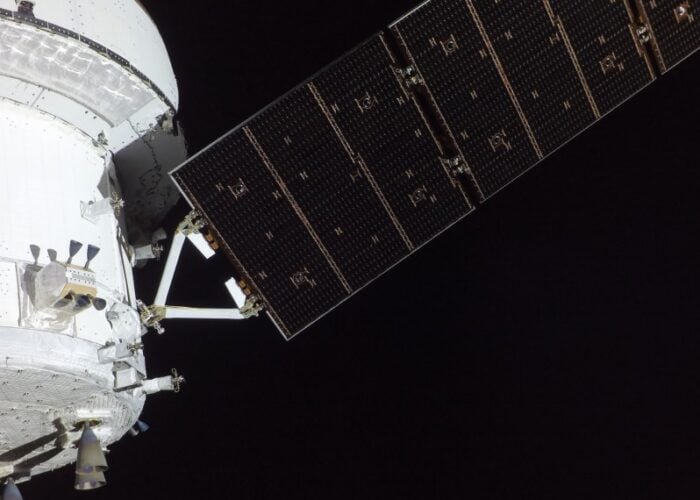
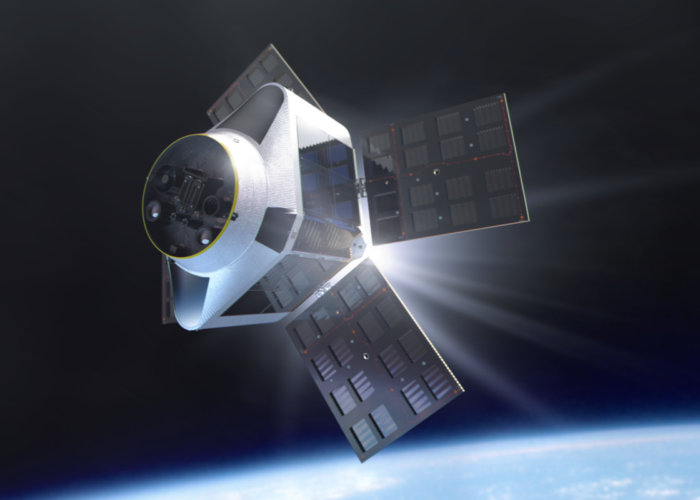
Singulus will deliver the production line during the first half of 2027, with production scaling up to support more than 100GW of production equipment as Elon Musk’s SpaceX accelerates the production of its Starmind satellites in Bastrop, Texas.
The agreement comes months after a news article from Reuters mentioned that Tesla, another company owned by Musk, was in talks to buy solar manufacturing equipment from Chinese providers, including Suzhou Maxwell Technologies, for nearly US$3 billion worth of solar equipment.
These rumours came around the same time as Singulus and SpaceX entered a strategic partnership in March 2026, with SpaceX providing significant funding to the German solar equipment manufacturer. More funding was provided last month as part of a recently announced subordinated secured loan.
More recently, application documents submitted to the Texas Comptroller showed that Tesla aimed to invest US$10.1 billion for its 100GW vertically integrated solar manufacturing project, for which commercial production is expected to begin in Q1 2029.
Lars Lieberwirth, member of the executive board at Singulus, said: “Our unique platform approach, which combines wet chemistry, vacuum coating and thermal processing, is a strong differentiator in the market. The strategic partnership with SpaceX allows us to further industrialise these capabilities at a meaningful scale and solidify our position as a leading Western provider of next-generation solar cell technology.”
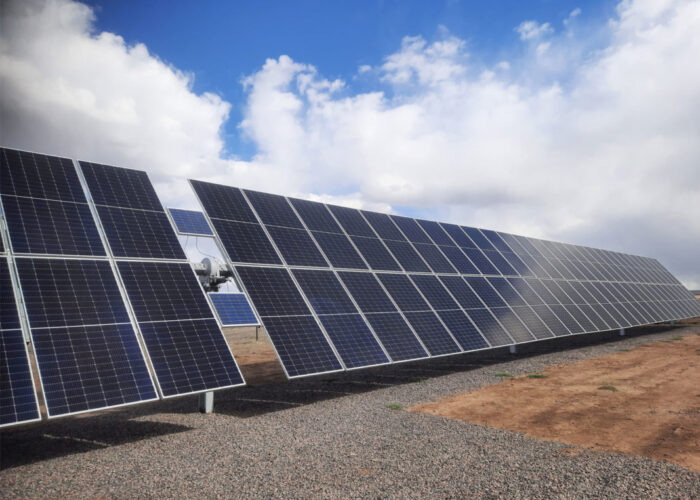
Interest in HJT technology for space applications has been on the rise as terrestrial crystalline silicon PV manufacturers have begun to eye the opportunities of space-based applications.
Gallium arsenide solar cells are the current leading technology of choice for satellite applications. However, the increase in satellites launched into space by SpaceX, Amazon, and other players in the field has shifted the choice of solar cells, as gallium arsenide cells remain very expensive compared to silicon cells, which are much cheaper. The consensus is that silicon will become mainstream for space applications in low Earth orbit (LEO) within the next five years, with HJT emerging as the preferred c-Si technology.
Earlier today, PV Tech Premium published an in-depth feature about the growing interest in space solar. In that, Geoffrey Dunican, Swift Solar’s vice president of commercial strategy and partnerships, said that: “We are at the nexus of moving away from the older generation silicon PERC technology and the III-V technology to meet somewhere in the middle. HJT and tandem perovskite are going to really be high volume, minimal cost and better performance.”
Mike Nicolls, senior vice president of Starlink at SpaceX, added: “Partnering with SINGULUS gives us a high-performance manufacturing path for solar cells for our Starmind satellites at our production facility in Texas. The combination of their process expertise and our long-term commitment creates a durable option for scaling solar production.”
Read our in-depth article on the opportunities for PV manufacturers in space-based applications here (subscription required): ‘From megawatts to gigawatts: how space is pulling silicon PV off the ground‘