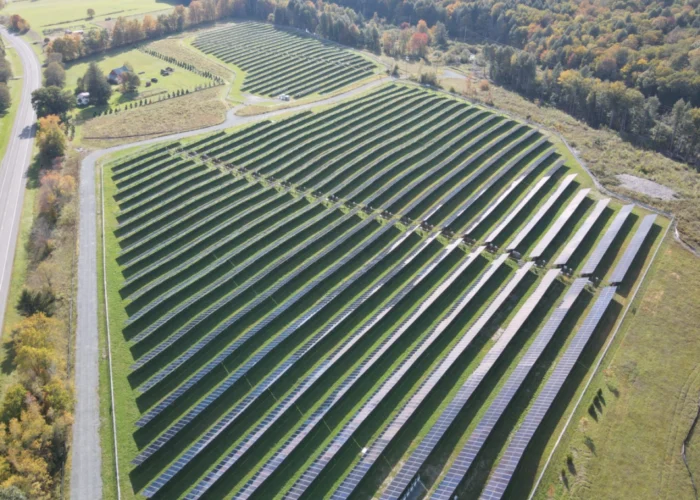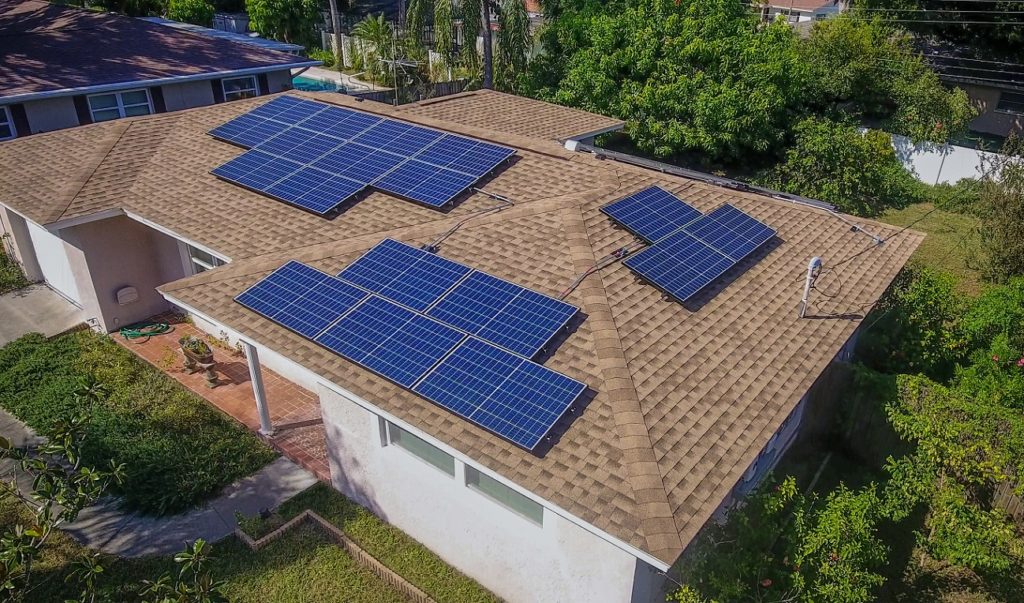
US solar installer Sunrun has completed its first successful season running a residential Virtual Power Plant (VPP) in a wholesale capacity market, which the company said was a “first-of-its-kind in the country”.
From June to August, the Sunrun’s New England VPP shared more than 1.8GWh of energy back to the US’ grid, with thousands of Sunrun solar homes in New England exporting excess solar energy during the peak demand window of 1pm-5pm.
Try Premium for just $1
- Full premium access for the first month at only $1
- Converts to an annual rate after 30 days unless cancelled
- Cancel anytime during the trial period
Premium Benefits
- Expert industry analysis and interviews
- Digital access to PV Tech Power journal
- Exclusive event discounts
Or get the full Premium subscription right away
Or continue reading this article for free
“The VPP also helped minimise the use of expensive, polluting peaker plants while reducing energy costs across the region and ensuring a reliable source of power,” the company said in a statement.
In 2019, the company won its cost-competitive bid into the Independent System Operator – New England (ISO-NE). It was the first successful bid committing capacity value from home solar and battery storage systems to the grid, according to Sunrun.
And in an August report, ISO-NE detailed how home solar helped keep wholesale system demand below the average forecast throughout a heat wave in July.
“It is tremendous that we are able to work with ISO-NE to integrate local home solar and battery systems into the wholesale markets,” said Mary Powell, CEO of Sunrun, which has been riding the wave of strong demand for residential solar solutions in the US, adding more than 34,000 in Q2 this year.
“This is a wonderful example of radical collaboration and demonstrates the importance of every market operator leveraging local clean energy resources to solve capacity constraints and grid reliability,” Powell continued.
When bound together to form VPPs, home solar and batteries can significantly support the grid and reduce peak demand, Sunrun said.