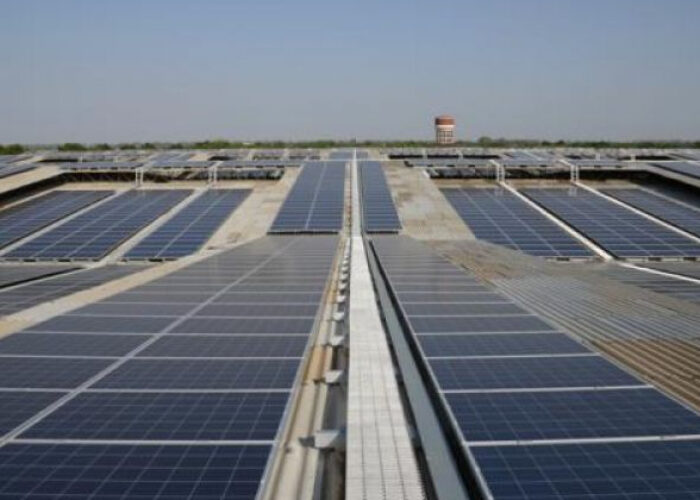
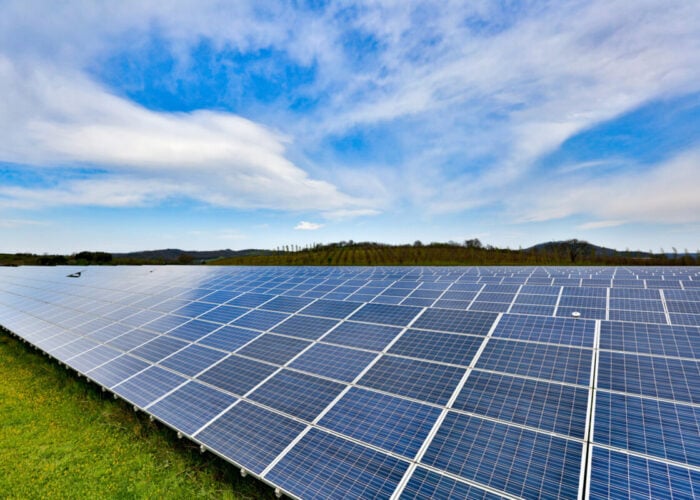
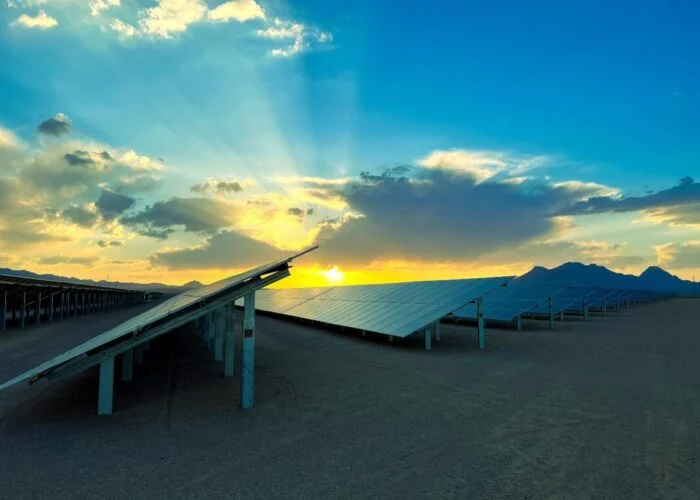
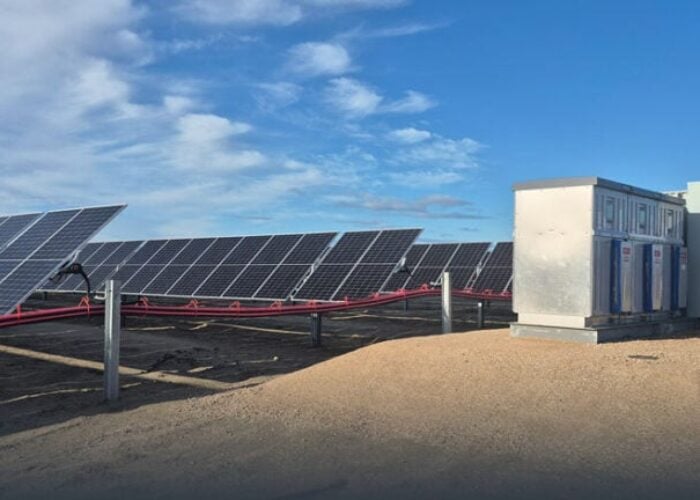
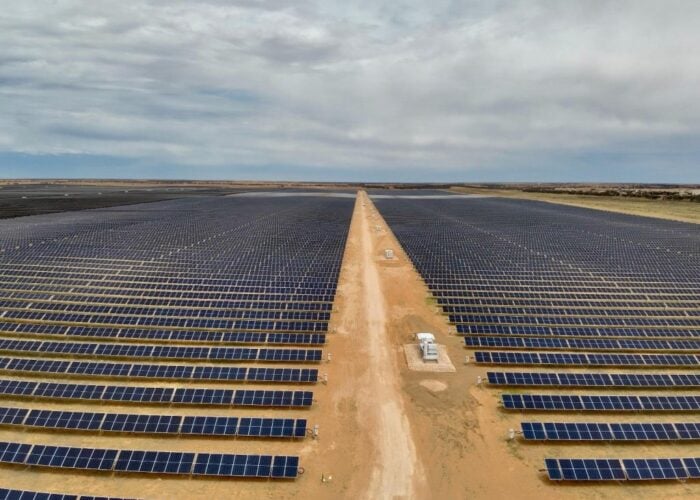
Solar manufacturer Canadian Solar has partnered with Australian energy retailer Flow Power to supply anti-hail solar modules for a solar PV power plant in South Australia.
The 6.14MW Coonawarra solar PV power plant, which includes plans for a 15MWh DC-coupled battery energy storage system (BESS), will be the first time the anti-hail TOPCon technology has been deployed in Australia.
Try Premium for just $1
- Full premium access for the first month at only $1
- Converts to an annual rate after 30 days unless cancelled
- Cancel anytime during the trial period
Premium Benefits
- Expert industry analysis and interviews
- Digital access to PV Tech Power journal
- Exclusive event discounts
Or get the full Premium subscription right away
Or continue reading this article for free
The modules will be delivered in 2025 and provide additional protection to the PV plant during extreme weather conditions. The first phase of the Coonawarra Energy Project will begin later this year, with the solar modules set to be installed in the “coming months”.
Tom Harrison, Flow Power’s general manager of energy projects, hinted that the company would likely use Canadian Solar’s TOPCon anti-hail modules in its upcoming energy projects.
“By integrating anti-hail technology into our solar farms, we are not only enhancing the durability of our assets but also ensuring greater reliability for our customers, even in extreme weather conditions,” Harrison said.
Flow Power, established in 2008, has a portfolio that encompasses solar PV, wind, and energy storage. The group is pursuing several notable projects, including the 5MW Monarto solar-plus-storage site in South Australia and the 5.8MW Cootamundra solar PV plant in New South Wales.
Hail could cause millions of dollars in damage
South Australia has been known to experience extreme weather conditions, such as thunderstorms, “golf ball-sized hail,” and intense winds. In 2016, the Australian state even saw seven tornado strikes in Millicent, in the southeast of the state and around 61km west of the Coonawarra power plant.
The state’s weather is often impacted by the Southern Ocean to the south and the continental interior to the north. These can sometimes produce high-temperature contrasts and extreme weather conditions at any time of the year.
In terms of hail, damage from these can heavily impact solar installations, disrupt energy production and supply and cause millions of dollars of damage. This has become a prominent issue in the global solar industry and has been covered on several occasions on PV Tech.
Alongside a changing climate, which can bring more frequent extreme weather events like hailstorms, the construction of solar modules themselves can affect the impact of hail.
A report from the National Renewable Energy Laboratory (NREL)—an entity under the US Department of Energy (DOE)—found that thinner and taller modules were contributing to an increase in cracks and breakages.
Larger dimensions and thinner glass—a byproduct of the slim price margins affecting most module manufacturers at the moment—also make the modules more susceptible to hail damage.