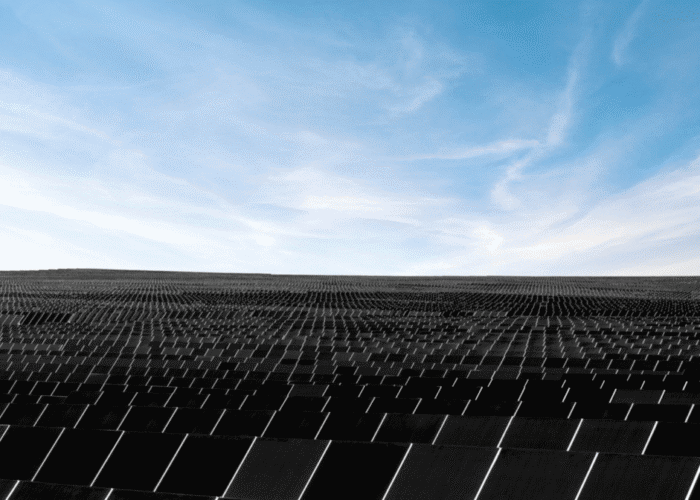
New South Wales (NSW), Australia, has launched what it has described as its “biggest renewable energy tender in the state’s history”, seeking 2.5GW of renewable energy generation.
The announcement coincides with the launch of another tender seeking 12GWh of long-duration energy storage. Both fall under NSW’s Electricity Infrastructure Roadmap.
Try Premium for just $1
- Full premium access for the first month at only $1
- Converts to an annual rate after 30 days unless cancelled
- Cancel anytime during the trial period
Premium Benefits
- Expert industry analysis and interviews
- Digital access to PV Tech Power journal
- Exclusive event discounts
Or get the full Premium subscription right away
Or continue reading this article for free
The dual tenders announced yesterday morning (20 May) by the state’s climate change and energy minister, Penny Sharpe, will be administered by independent consumer trustee AusEnergy Service Limited (ASL).
Tender 8 seeks renewable energy generation capacity “sufficient to power approximately one-third of NSW homes”, while Tender 9 targets storage capacity 50% beyond the state’s existing 2030 and 2034 benchmarks.
Once awarded, Tender 8 will enable NSW to reach up to 90% of its 12GW renewable energy generation target by 2030. Successful projects are expected to be determined by late 2026.
Tender 8 introduces a new Hybrid Generation Long-Term Energy Service Agreement (LTESA) product, allowing applicants to combine solar or wind generation with battery storage in a single project.
As reported by Energy-Storage.news earlier this year, ASL had been consulting on introducing a new Hybrid LTESA product to complement the existing Generation LTESA and better accommodate hybrid projects combining solar PV generation with lithium-ion battery energy storage systems (BESS).
The Hybrid LTESA is available to projects where generation export capacity matches or exceeds storage export capacity, with storage systems providing a minimum 4-hour duration at the commercial operations date.
The contract structure uses a cash-settled swap with a hybrid strike price and price risk sharing, with settlements based on sent-out net exports that directly account for imports and exports.
“This is the largest renewable energy generation tender in NSW history, and it shows just how serious we are about delivering cheaper and more reliable power for households and businesses,” Sharpe said.
“Tender 9 ensures we can store renewable energy, so it can be released on demand when needed, making our grid more stable and reliable.”
Assessment framework and market transition
Tender 8 follows the completion of the Capacity Investment Scheme Tender 7, seeking 5GW of renewable energy generation capacity across the National Electricity Market (NEM), with generation projects in NSW now transitioning back to Roadmap tenders.
Projects cannot hold both an LTESA and a Capacity Investment Scheme Agreement (CISA) simultaneously, requiring proponents to commit to forgoing Commonwealth support if awarded state contracts.
The tender process employs a single-stage submission with merit assessment weighted 49% toward financial value and system benefits, 17% each for project deliverability, organisational capacity, and social value.
Projects demonstrating commercial operations dates before 31 December 2029 are expected to receive favourable consideration.
Financial value assessment in Tender 8 considers projects’ ability to reduce wholesale electricity market costs and deliver system security benefits.
Wind and hybrid generation-storage projects that produce during non-solar hours are expected to deliver strong financial value, with well-advanced wind projects recognised as having high marginal value in achieving NSW’s energy transition objectives.
ASL’s market brief document noted that the assessment remains technology-neutral on a value-for-money basis.
To read the full article, including more information on Tender 9, please visit Energy-Storage.news.