European solar manufacturing start-up Carbon has abandoned its plan to build a 5GW module assembly plant in France due to a lack of conditions required for EU-made solar PV manufacturing.
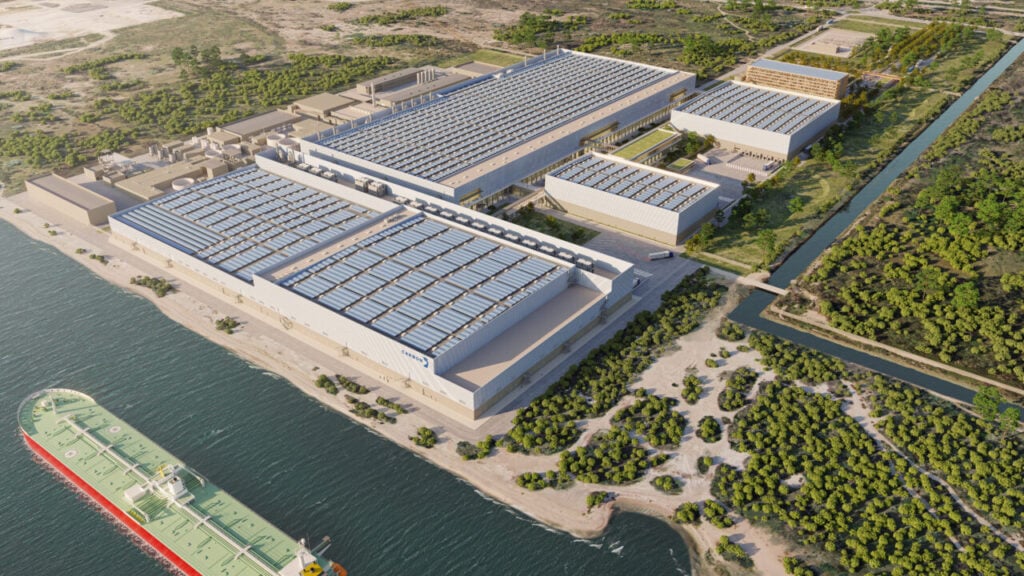
The French company launched the project four years ago, with the aim of building a vertically integrated facility – from ingots to modules – with an initial 500MW pilot plant in 2024. A year after its launch, the company had selected a site for the construction of a cell and module facility with an annual nameplate capacity of 5GW and 3.5GW, respectively.
Try Premium for just $1
- Full premium access for the first month at only $1
- Converts to an annual rate after 30 days unless cancelled
- Cancel anytime during the trial period
Premium Benefits
- Expert industry analysis and interviews
- Digital access to PV Tech Power journal
- Exclusive event discounts
Or get the full Premium subscription right away
Or continue reading this article for free
In a letter posted on LinkedIn, the company highlighted the lack of policy backing from the Net Zero Industry Act (NZIA) to help reshore the solar PV value chain in Europe. The French start-up added that the NZIA “was limited to diversifying supply chains without creating any preference for European production”.
This was made worse when, earlier this year, the European Commission (EC) introduced the Industrial Accelerator Act (IAA), which proposed to expand the “Made in EU” requirement to countries that have established a free trade agreement and postponed the introduction of a European preference until 2030.
This may include solar manufacturing hubs such as Turkey, Vietnam and India. This opens the door for these countries to more easily supply modules to the European market, especially in the case of Vietnam and India, which have either been hit with trade tariffs by the US or received preliminary tariffs in the case of India.
Policy uncertainty towards EU-made PV manufacturing
“These developments illustrate the persistent divergences among Member States regarding the creation of a strictly European photovoltaic market,” wrote Carbon. The French manufacturer added that although the legislative process continues, there is currently no visibility on the emergence of a solar PV manufacturing market. It stated that there is no clear guarantee that the legislation will, in the near future, enable the establishment of a ‘truly sovereign market’.
Under these circumstances, with limited visibility into the potential market and uncertainties regarding the alignment of European and French commitments, Carbon said it was impossible to secure the necessary financing, within a compatible timeframe, to keep the manufacturing project moving.
“Without sufficiently established prospects to commit the additional resources needed, we have therefore made the decision to end the project. A difficult choice, but one made inevitable by the absence of conditions allowing it to succeed,” wrote Carbon.
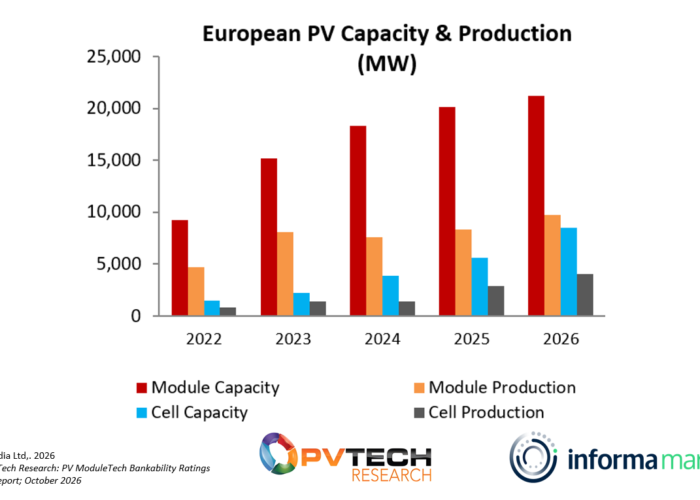
Carbon’s demise highlights the difficulty for new European solar manufacturers to build capacity in the region, which still lags behind other major markets such as the US and India.
Commenting on Carbon’s announcement, the European Solar Manufacturing Council (ESMC) called on European legislators to take “immediate action to foster an environment in which the European solar PV industry can flourish for the benefit of European citizens and the European economy”.
However, Carbon’s announcement contrasts with the recent EU support under the NZIA for Dutch startup Resilicon and its planned 13GW polysilicon production plant in the Netherlands last month. The project was awarded “net-zero strategic project” status by the Dutch Ministry of Economic Affairs & Climate, with successful projects benefitting from streamlined permitting, rapid administrative treatment, as well as access to financing advice, according to the EC.
Another European solar manufacturing project that has continued to progress is from Spanish solar wafer manufacturer Sunwafe, which recently appointed a CEO and selected a site in northern Spain to build a large-scale 20GW annual nameplate capacity wafer facility.