The Asian Development Bank (ADB) has approved a US$160 million loan to support the deployment of at least 310MW of new solar capacity in Bhutan.
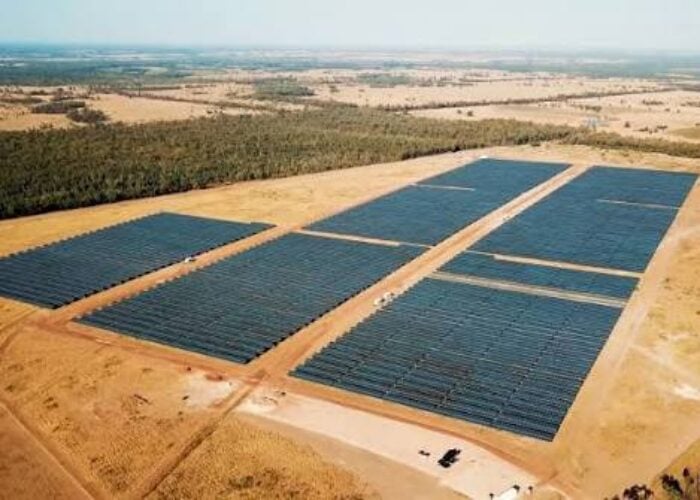
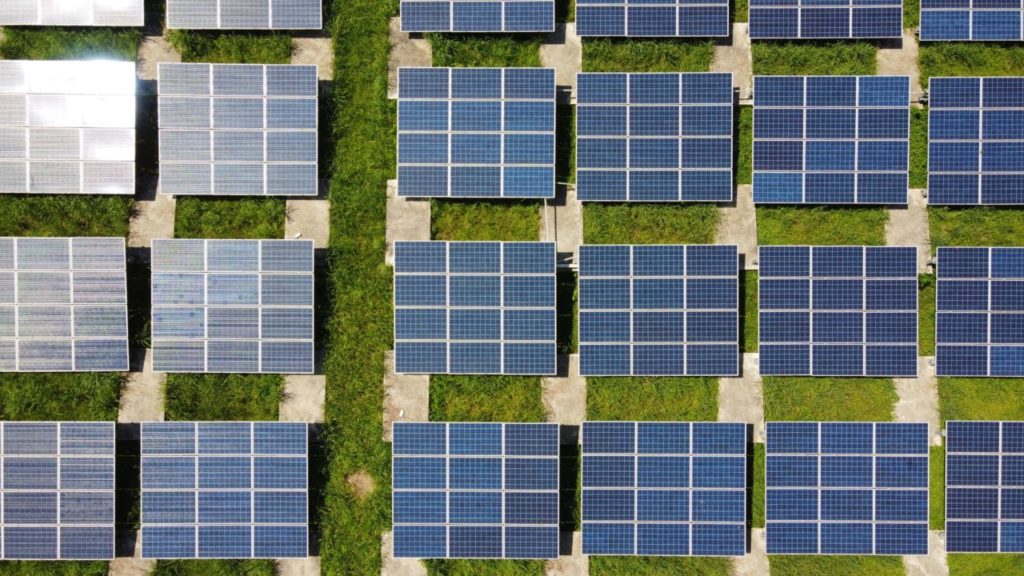
The financing will support the Solar Farm Expansion Project, which includes three utility-scale solar developments and associated transmission infrastructure aimed at reducing Bhutan’s dependence on hydropower during the country’s dry winter months.
Try Premium for just $1
- Full premium access for the first month at only $1
- Converts to an annual rate after 30 days unless cancelled
- Cancel anytime during the trial period
Premium Benefits
- Expert industry analysis and interviews
- Digital access to PV Tech Power journal
- Exclusive event discounts
Or get the full Premium subscription right away
Or continue reading this article for free
State-owned Druk Green Power Corporation (DGPC) will develop the 120MW Wobthang and 40MW Pedseling solar farms in Bumthang. Meanwhile, the 150MW Dramthang project in Lhuentse is expected to be delivered through a joint venture between DGPC and India’s Tata Power Renewable Energy Limited, forming Bhutan’s first private-majority PPP in the energy sector.
The Bhutan Power Corporation will also construct 46km of transmission lines to connect the projects to the national grid.
ADB said that this marks the first private-majority public-private partnership (PPP) in Bhutan’s energy sector, and that the addition of new solar capacity would help diversify Bhutan’s electricity mix, which is almost entirely reliant on hydropower. Seasonal declines in river flows during winter have increasingly forced the country to import electricity as demand rises.
Peak winter electricity demand has increased from 487MW in 2021 to 1,477MW in 2025 and is forecast to exceed available supply by more than 1GW by 2030, according to ADB.
“This project is a turning point for Bhutan’s energy security,” said ADB country director for Bhutan Sonomi Tanaka.
“By scaling up solar energy alongside hydropower, Bhutan can cut costly electricity imports, attract private investment through its first private-majority PPP in the energy sector and create green jobs for women and youth, building a more resilient and inclusive economy for the long term.”
The project supports Bhutan’s national energy policy, which aims for the deployment of 5GW of solar capacity by 2040. Alongside infrastructure development, the programme includes workforce training initiatives targeting more than 250 beneficiaries, with at least 70% of participants expected to be women.
A further US$1 million technical assistance grant from ADB’s Technical Assistance Special Fund will support policy development and institutional capacity-building to encourage future private investment in Bhutan’s solar sector.
The multilateral lender expects the project to mobilise an additional US$68.7 million in private equity and commercial debt.
The ADB last year approved a US$650 million loan to support rooftop solar PV deployment across India under the government’s Pradhan Mantri Surya Ghar: Muft Bijli Yojana (PMSGY) programme.
The financing was provided under subprogram one of ADB’s Accelerating Affordable and Inclusive Rooftop Solar System Development Programme and included US$3 million in technical assistance to support implementation.