The California Legislature has passed a bill that would enable residents to request remote inspections for home energy systems, such as solar PV and home batteries, that could save Californians more than US$500 million over the next three years.
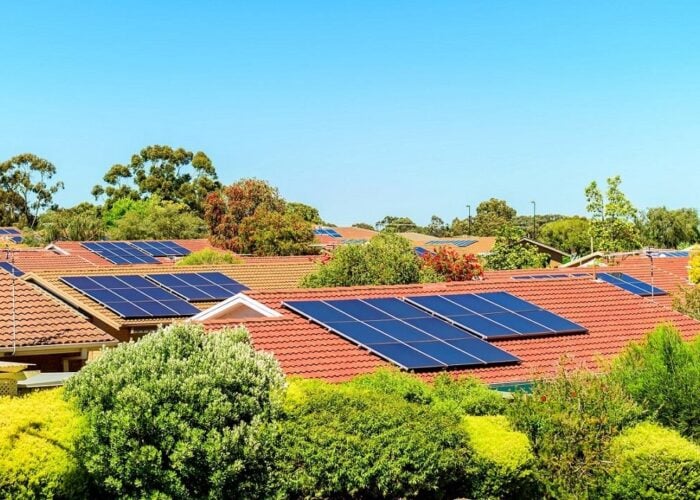
AB 1738 would allow residents or contractors to request a remote inspection, instead of waiting for an in-person inspection, in order to allow “specified works” to take place, such as the installation of rooftop solar panels with a nameplate capacity of 15kW or less. Other home energy systems are included in the bill, and are subject to stricter regulations, such as heat hump systems, where an agency “shall not be required to allow for remote inspections” of main electrical services, meaning that some energy systems will still be governed by in-person inspections.
Try Premium for just $1
- Full premium access for the first month at only $1
- Converts to an annual rate after 30 days unless cancelled
- Cancel anytime during the trial period
Premium Benefits
- Expert industry analysis and interviews
- Digital access to PV Tech Power journal
- Exclusive event discounts
Or get the full Premium subscription right away
Or continue reading this article for free
This opportunity would be offered from 2028, and would enable residents and contractors to use video calls, photos and videos to demonstrate that their properties are eligible for home energy systems.
Saving time and money is a key driving force of the bill; according to the San Francisco Bay Area Planning and Urban Research (SPUR), a co-sponsor of the bill, California contractors can wait for up to six hours to complete inspections that only take 15 minutes, leading to additional costs of up to US$1,000 that are passed on to homeowners who are installing solar, battery or heat pump systems. That wasted time gets passed to the homeowner, adding $600 to $1,000 to the cost of a single solar, battery, or heat pump installation.
“Remote inspections save both the homeowner and the building official time,” said Democrat assemblymember Juan Carrillo, who introduced the bill. “Saving money for the homeowner by not having them wait around for an inspector and allowing those inspectors to focus on permitting more complex projects faster.”
The bill will expand the scope of virtual inspections state-wide, up from 19 jurisdictions across California that presently enable residential customers to request remote inspections. According to Los Angeles County, 20-40% of its inspections are conducted remotely, with the majority of inspections for solar systems and batteries, water heaters and minor plumbing work.
“Some of California’s most innovative local governments, from Placer County and the town of Paradise, to the City of Sacramento and Los Angeles County, already offer remote inspections for home solar and battery installations,” said Nick Josefowitz, CEO of Permit Power, an energy affordability non-profit advocacy organisation and another co-sponsor of the bill.
“AB 1738 ensures that the convenience and cost savings of remote inspections will be available to all California families helping them save money on their utility bills by making it cheaper and easier to install home solar and batteries.”
The news follows the California Assembly’s passage of Senate Bill 868, which would enable the installation of balcony solar systems in homes and apartments across the state. Taken together, the bills represent a push from lawmakers to enable the installation of more residential solar and battery energy storage systems (BESS) in the state, which already has the most operational solar capacity across residential and non-residential distributed generation projects, according to the Solar Energy Industries Association (SEIA).