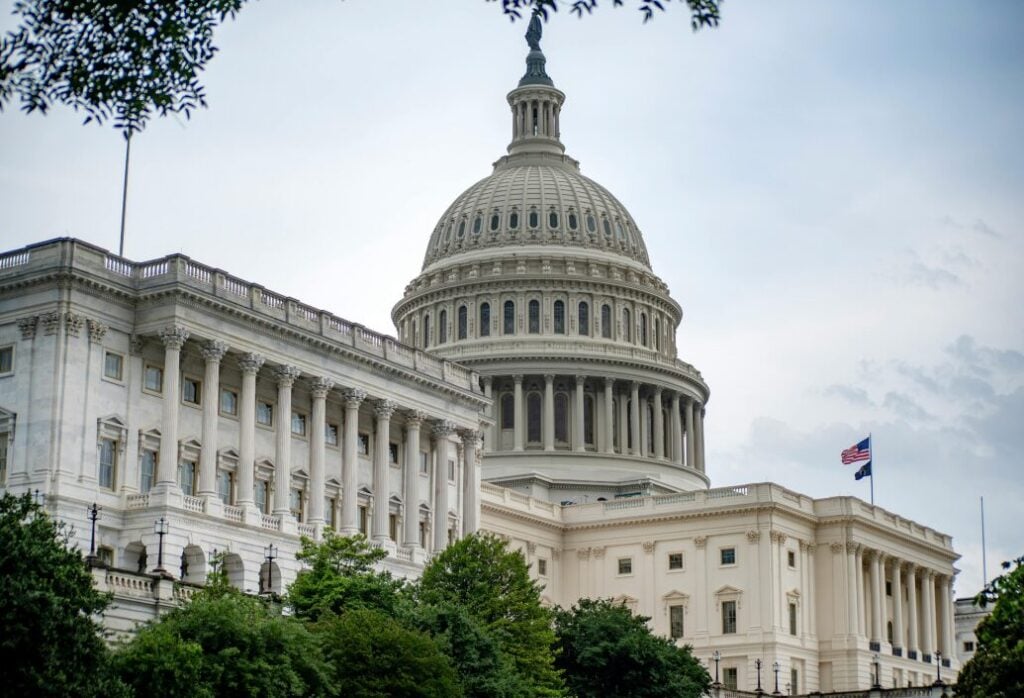
On Thursday, US Senators voted 62-33 in favour of passing the permitting reform bill that could unlock gigawatts of solar PV.
Introduced on 30 September, the Bipartisan American Affordability and Jobs Act (BAAJA), aims to streamline the approval process for energy infrastructure – not only solar PV but also fossil fuels – and transmission interconnections.
Try Premium for just $1
- Full premium access for the first month at only $1
- Converts to an annual rate after 30 days unless cancelled
- Cancel anytime during the trial period
Premium Benefits
- Expert industry analysis and interviews
- Digital access to PV Tech Power journal
- Exclusive event discounts
Or get the full Premium subscription right away
Or continue reading this article for free
The bill will now move to the House of Representatives for consideration as the deadline to pass it during the so-called lame-duck session approaches. It also comes ahead of the new, Democrat-controlled Congress taking charge in January 2027.
It would also facilitate the construction of data centres, a key topic in the midterm election, with many elected lawmakers opposing them (subscription required) or favouring a moratorium on data centres.
This last part, as well as the fact that the permitting reform would also support fossil fuel infrastructure, attracted opposition from environmental groups last week when the bill moved forward.
Regarding the Senate vote on Thursday, Sierra Club executive director Loren Blackford said: “While a rogue president is waging a war on clean energy, the Senate rushed a deeply flawed bill that furthers the buildout of fossil fuels, strips away power from communities and Tribes, threatens our clean water and public lands, and endangers wildlife.
“The House of Representatives has an equal voice in the legislative process. They must reject the Senate’s fast-tracked bill and demand debate and consideration to deliver for the people, not corporate polluters and Donald Trump. The American people made a clear call merely weeks ago: our elected leaders must address soaring costs and a corrupt system that prioritises corporate polluter profits over our health, our wallets, and our future.”
Energy industry applauds Senate vote
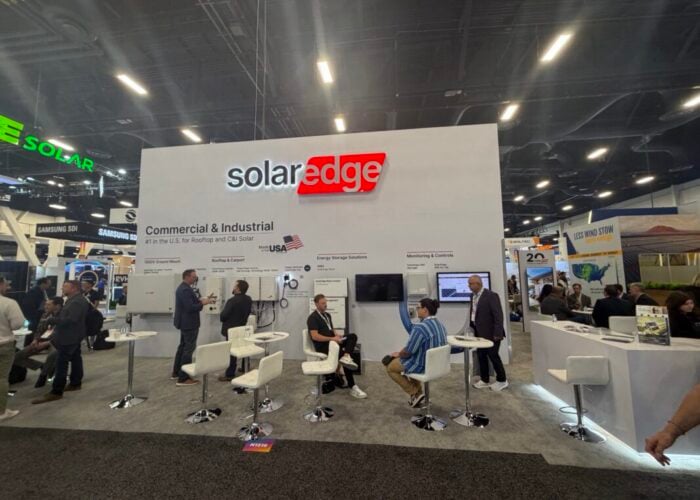
The Senate vote came as industry experts gathered this week in Las Vegas, Nevada, for the country’s largest trade show, RE+. And as our colleagues from Energy-storage.news covered, BAAJA was a key discussion topic at RE+. Market experts who spoke with Energy-storage.news on background stated that despite having some issues with the bill, it would ultimately speed up interconnection processes and help bring renewables online more quickly.
Reactions from the energy industry to the Senate voting in favour of the permitting bill were positive, with the American Clean Power Association (ACP) applauding its passage in the Senate.
“BAAJA is a clean energy bill that will modernise America’s energy systems and lower consumer prices. The Senate has cleared a path to enable the construction of hundreds of additional clean energy projects and strengthen rural communities. Abundant, affordable energy will power a growing American economy. Now the House must act,” said Jason Grumet, CEO of ACP.
“America is now one step closer to lower energy costs, more clean energy and a more reliable electric grid. Senators Lee, Capito, Heinrich, and Whitehouse deserve tremendous credit for advancing this bipartisan bill,” said Tim Pawlenty, CEO of trade body the Solar Energy Industries Association (SEIA).
A recent analysis from SEIA showed that BAAJA would enable 167GW of additional solar PV from 2028 to 2035. This would increase solar’s share of electricity generation to 18.1% by 2035.