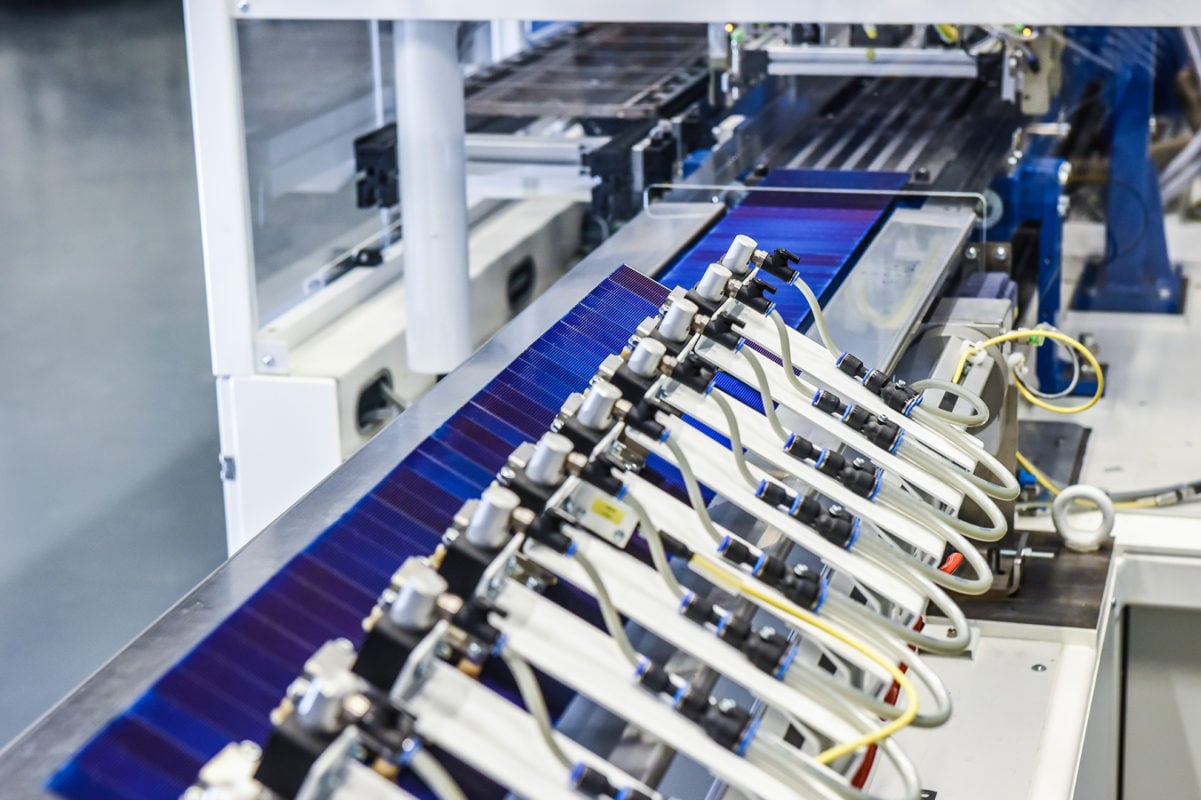
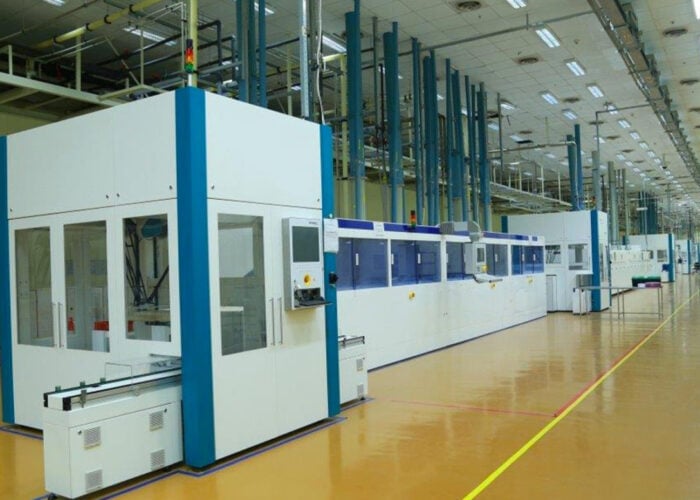
Following recent announcements from the government departments administering India’s solar PV growth ambitions, the country is now in the process of working out how to expand its domestic upstream manufacturing capacity, at a time when the PV industry is going through a period of rapid technology-change and supplier competition.
Hoymiles is unveiling its 4-in-1 microinverter, the HM-1200, which is the first designed with reactive power control for 4 solar panels. It still offers the same features as Hoymiles former released MI-1200, with wide DC input operating voltage range (16-60V) & low start-up voltage (22V only).
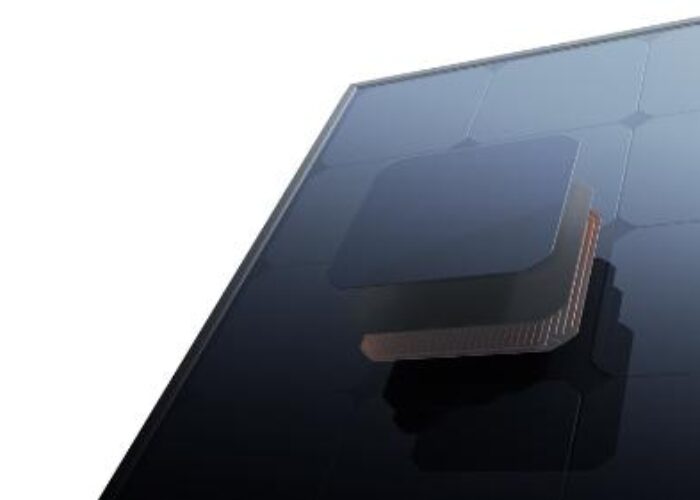
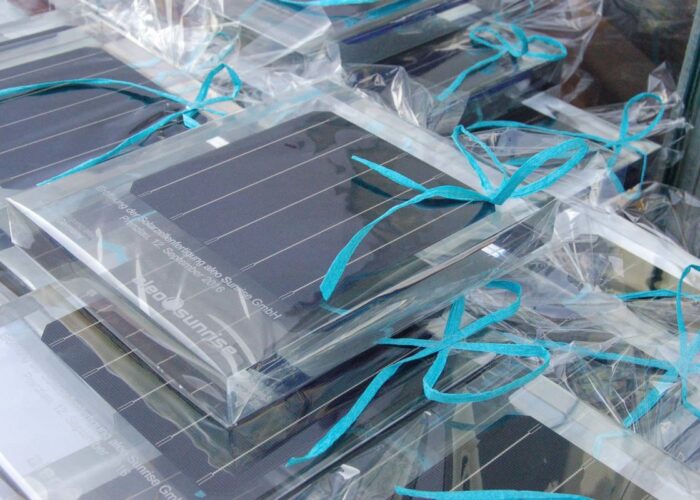
The Fraunhofer Institute for Solar Energy Systems (ISE) has developed a bonding method for the interconnection of silicon solar cells for the industrial production of shingle modules.
During the past few months, Tongwei has officially moved into the top-position as the leading solar cell manufacturer – by production volume – serving the PV industry.
The forthcoming PV CellTech 2019 event in Penang, Malaysia on 12-13 March 2019 will see the participation of its first laser-based tool partner: (Wuhan) DR Laser Technology.
PV CellTech 2019 takes place in Penang, Malaysia on 12-13 March 2019, and the agenda of industry speakers is now complete, in what is set to be the most exciting PV CellTech conference since we launched the series back in 2016.
PV is increasingly becoming the cheapest energy source and therefore has become the energy source with the highest yearly capacity additions! Even in 2018, after some scepticism right after SNEC 2018, due to the announcement of the Chinese Government to stop supporting PV as intensively as in 2017, more than 100GW (109GW) have been installed worldwide (we actually bet a crate of beer on that!) and 125GW has been forecasted to be installed in 2019.
A personal perspective on why a solar company could take on its rivals and thrive in a year full of disruptions to the industry but report record results and revenue growth that is unlikely to be topped by any other PV manufacturer in 2018.
The recent announcement from India’s Ministry of New & Renewable Energy (MNRE) to approve a 12GW solar scheme for central public sector undertakings (CPSUs) – crucially mandating the use of domestically sourced solar cells and modules – represents the first key step towards India finally creating a route to stimulate multi-GW expansions for new cell and module facilities.