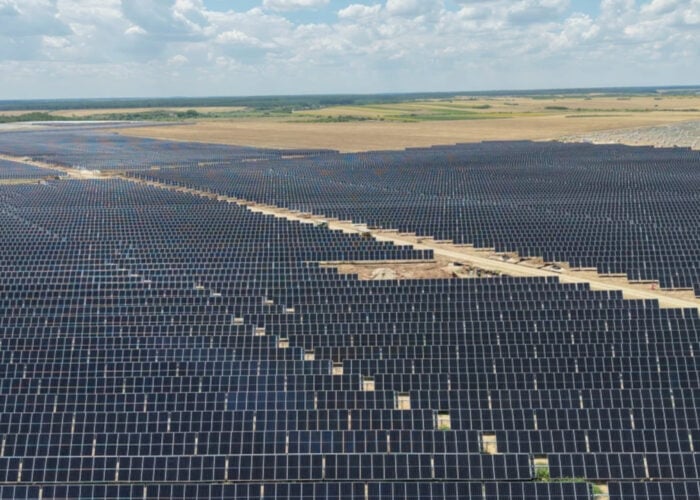
China has installed 3.3GW of solar power capacity in 2014 so far, according to official data released by the National Energy Administration (NEA).
This represents a 100% increase on last year's installs at this stage. The country installed around 11.3GW of solar in 2013.
Try Premium for just $1
- Full premium access for the first month at only $1
- Converts to an annual rate after 30 days unless cancelled
- Cancel anytime during the trial period
Premium Benefits
- Expert industry analysis and interviews
- Digital access to PV Tech Power journal
- Exclusive event discounts
Or get the full Premium subscription right away
Or continue reading this article for free
The figures underline speculation by analysts that the bulk of China's huge capacity target for 2014 will be built in the second half of the year.
Earlier this week, the NEA said it was looking to develop new policies to encourage a greater roll-out of distributed PV in the country and that it remained confident it could install 13GW of solar this year.
The government had previously said that it would only allow 8GW of distributed and 6GW of utility-scale PV to receive state support this year. It issued capacity quotas on a province by province basis.
“In 2014, the China government has put a great focus on developing distributed PV projects. The quota for each province or city is much larger on distributed PV projects compared to power plants,” Ash Sharma, senior director with IHS told PV Tech.
“However, there remain many barriers for distributed PV; in H1, the market was still dominated by power plant, mainly in the western China,” he added.
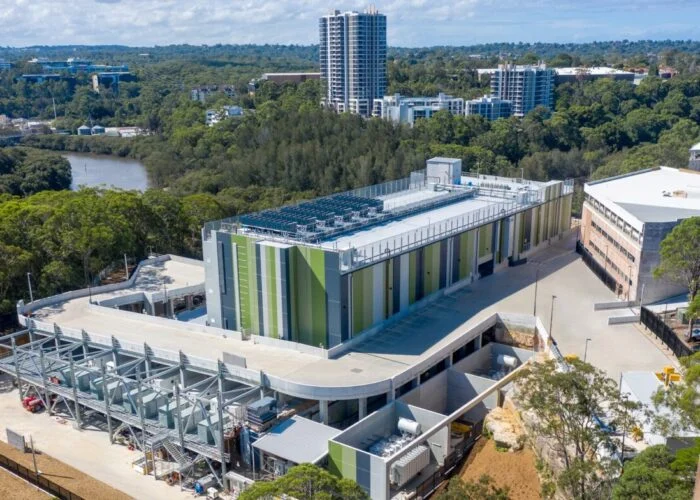
This was borne out by the NEA figures, which reveal only 1GW of distributed solar has been added so far this year.
Sharma listed a number of potential measures open to the government to encourage distributed PV including financial or insurance support, or a trial of a government-led model to manage rootop ownership issues.
For some qualified distributed PV projects, the NEA has indicated that they can try to apply for the subsidies open to the ground-mount PV projects, i.e. RMB0.9-1.0/kWh (US$0.146-0.162/kWh),” said Sharma.
IHS predicts that factory rooftops will lead the roll-out of distributed PV in China in the second half of the year. It does not expect the residential rooftop market to make much ground either.
The full data on China's solar power installations in the first half of 2014 are on the NEA website (Chinese).