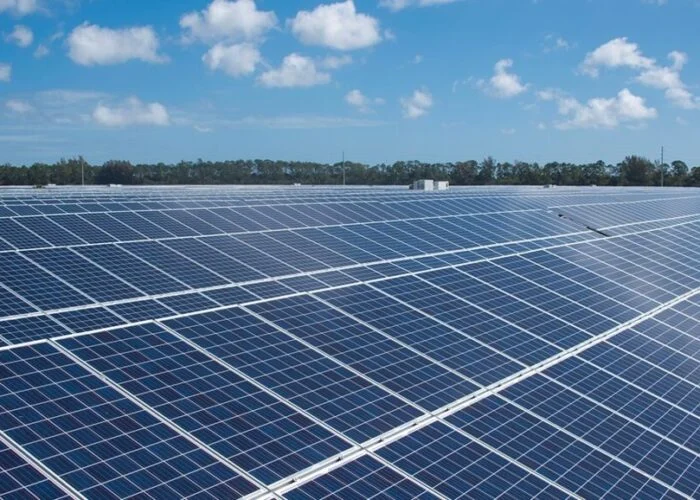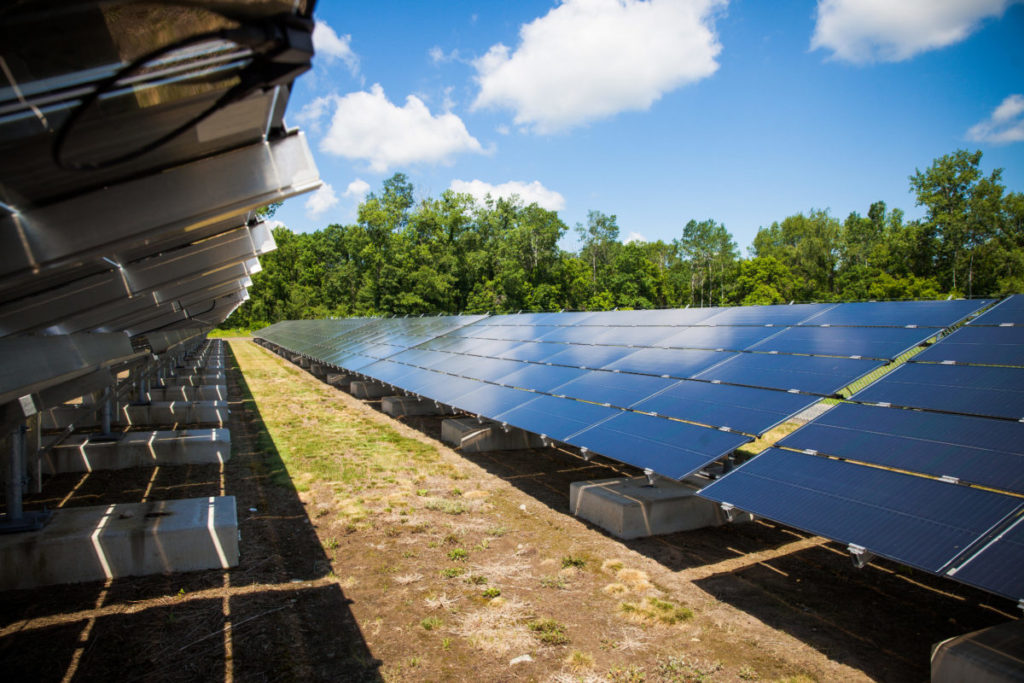
The US Energy Information Administration (EIA) has published its latest Short-term Energy Outlook, which expects solar to be the driving force behind a slight growth in the US’ total electricity generation capacity.
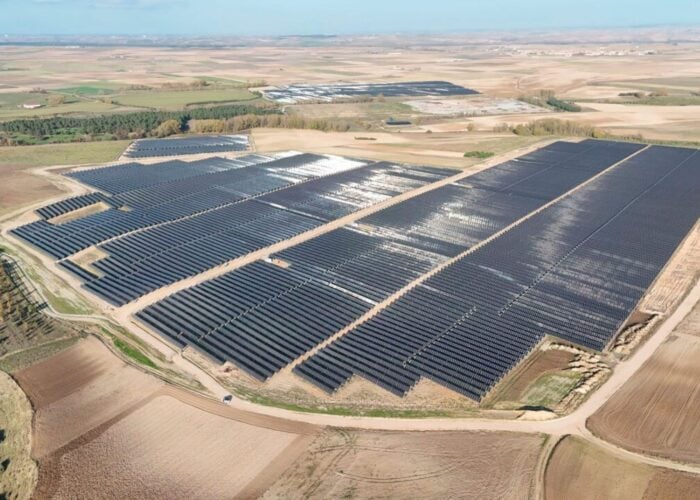
The latest edition of the monthly report forecasts energy production and consumption to 2025. The report’s authors expect US power generation capacity to grow by 3% in 2024, equal to 114 billion kWh, and a further 1%, equal to 33 billion kWh, in 2025. Renewables in general, and solar in particular, will supply much of this growth, with utility-scale PV plants expected to generate 41% more electricity in 2024, equal to 66 billion kWh, following the addition of 19GW of new solar generation capacity added in late 2023.
Try Premium for just $1
- Full premium access for the first month at only $1
- Converts to an annual rate after 30 days unless cancelled
- Cancel anytime during the trial period
Premium Benefits
- Expert industry analysis and interviews
- Digital access to PV Tech Power journal
- Exclusive event discounts
Or get the full Premium subscription right away
Or continue reading this article for free
The report also notes that the US is expected to add 37GW of new solar capacity this year, and that, by 2025, the country’s total solar generation will increase by a further 25%, equal to 58 billion kWh.
These growth predictions compare very favourably to those in the wind sector, where the EIA forecasts a growth of 5% in electricity generation in 2024, and 3% in 2025. The graph below, which includes historic figures from 2022 and 2023 and forecast figures for 2024 and 2025, demonstrates how solar capacity is expected to grow much faster than other renewables over the next two years, almost reaching the total scope of wind by the end of 2025.
EIA figures also suggest that the US’ consumption of electricity from solar sources is expected to grow at a much higher rate than other forms of power generation. Between 2022 and 2023, US consumption of solar electricity grew by 14.8%, compared to 42.9% from biodiesel and renewable diesel, but this is expected to flip between 2023 and 2024, with the growth rate of consumption of electricity from solar to increase to 30.4%, while the growth rate of consumption of electricity from renewable diesel is set to fall to 12.8%.
The news will be a positive development for the US solar sector, which has made considerable investments into power generation, as part of a plan to improve the US’ energy independence. This month, Wiki-Solar announced that developers had added more than 20GW of new utility-scale solar in the US since January 2023,
This growth has extended to the manufacturing sector, as the US has sought to reduce its reliance on foreign-made products, particularly those from China, to support the solar sector. This week, E2 reported that the US had added more than 100,000 jobs in clean energy manufacturing since the passage of the Inflation Reduction Act (IRA) in 2022, with more than a quarter in the solar sector.