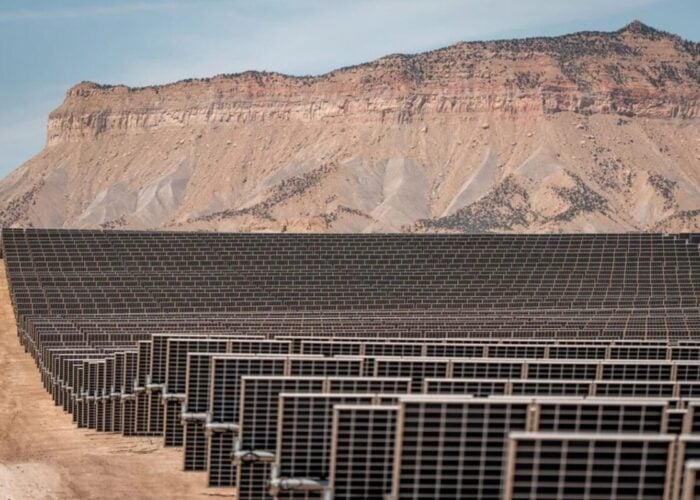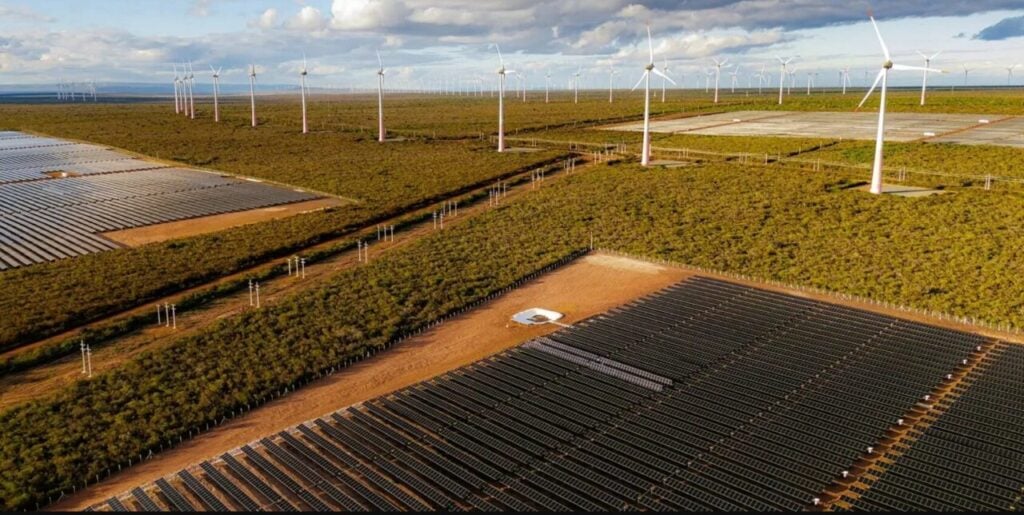
Norwegian energy company Equinor has started commercial operations at its first hybrid solar-plus-wind project in the Brazilian state of Bahia.
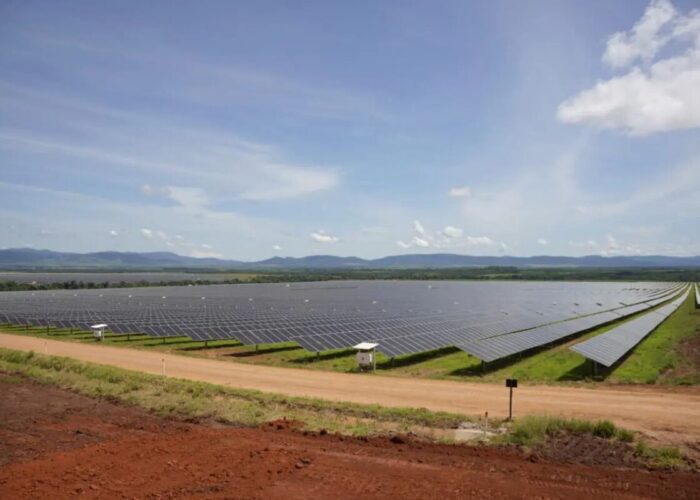
Yesterday, the company, alongside its Brazilian subsidiary Rio Energy, started work at the 140MW Serra da Babilônia solar plant. The project is located at the same site as the 223MW Serra da Babilônia Wind project, which was already in operation when Equinor acquired Rio Energy in 2023.
Try Premium for just $1
- Full premium access for the first month at only $1
- Converts to an annual rate after 30 days unless cancelled
- Cancel anytime during the trial period
Premium Benefits
- Expert industry analysis and interviews
- Digital access to PV Tech Power journal
- Exclusive event discounts
Or get the full Premium subscription right away
Or continue reading this article for free
“Hybrid projects that effectively integrate solar and wind technologies support a stable and reliable energy supply while enhancing value creation, in line with Equinor’s strategy,” said Equinor executive vice president for power Helge Haugane.
Equinor noted that the project, as a hybrid facility, would benefit from logistical advantages, such as the solar PV facility’s use of existing power infrastructure built to support the wind plant. Savings on costs and building time are a key advantage of such co-located projects, and are a motivating factor behind a number of recent hybrid project launches, such as a 90MW solar-wind project in Sweden, developed by European Energy.
The news also follows the growth of renewable-plus-storage projects, alongside those that combine different renewable energy generation technologies. Earlier this year, SynergyRED submitted a development application for a solar PV, wind and battery energy storage system (BESS) project in Australia.
The start of operations at the hybrid project brings Equinor’s involvement in operating Brazilian solar PV projects over 800MW. The company holds a 43.5% stake in the 162MW Apodi solar complex and a 30% stake in the Mendubim project, which started commercial operation in March 2024.