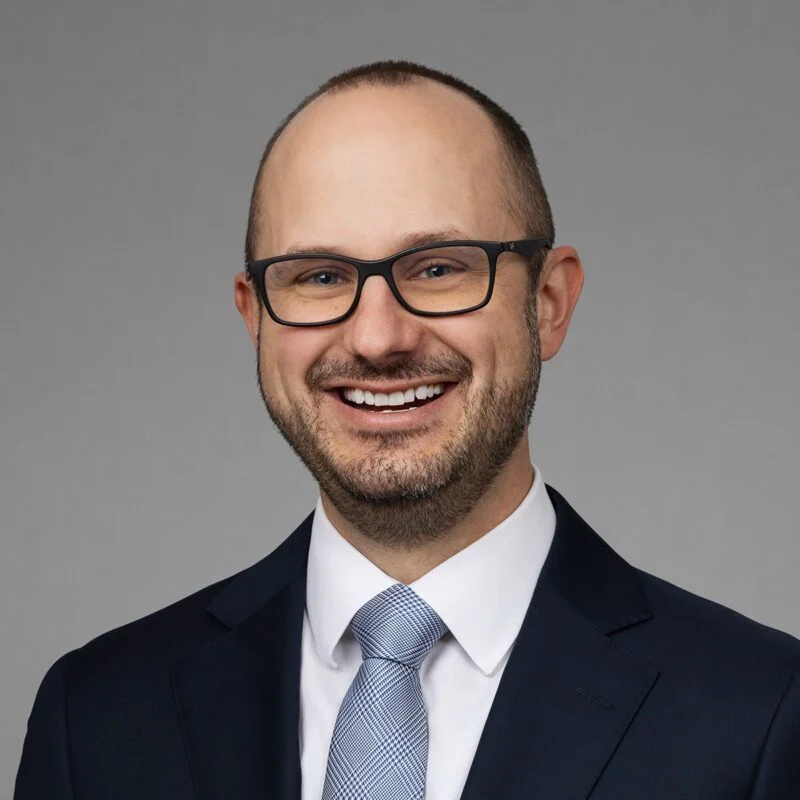
Hours before PVModuleTech USA opens its doors, we spoke with Todd Heffner, a partner at law firm Smith Gambrell Russell, who specialises in construction litigation.
We talk about the most common issues he’s seen in the solar industry and how solar and energy storage can differentiate in litigation. We also discuss how the two technologies complement each other.
Try Premium for just $1
- Full premium access for the first month at only $1
- Converts to an annual rate after 30 days unless cancelled
- Cancel anytime during the trial period
Premium Benefits
- Expert industry analysis and interviews
- Digital access to PV Tech Power journal
- Exclusive event discounts
Or get the full Premium subscription right away
Or continue reading this article for free
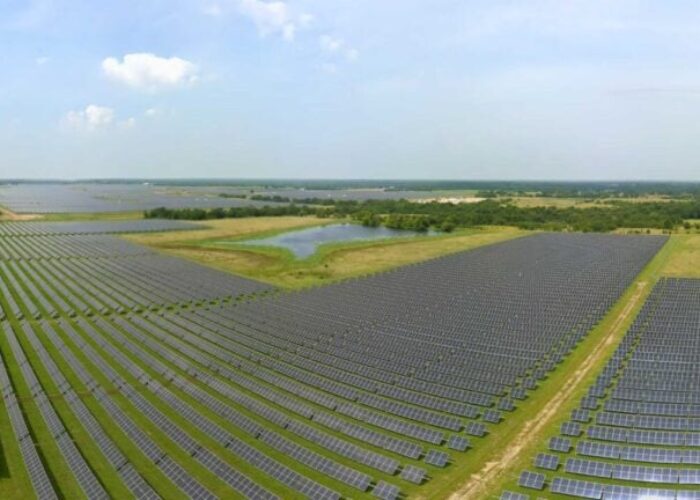
Through his work, one of the recurring issues Heffner has witnessed on large-scale projects concerns site grading, and more particularly, how projects can often overlook their ability to withstand heavy rains and flooding.
“There’s a lot of grading and earthwork that is the first step of the process. Unfortunately, that’s an area where I see a lot of corners being cut. And they don’t grade the site right. They don’t take into account how differently the earth will react before they disturb it. Oftentimes, it’s farmland or forest or something like that,” explains Heffner, adding that when a flood happens after a heavy rain incident, a big part of the solar array will end up underwater and everyone will be pointing the finger at each other.
“I’ve dealt with that dispute multiple times, because everyone is trying to engineer it cheaper, get the cost down, get it installed quicker. If your job is just to develop a solar array and then sell it, it’s not in your best interest to hire the best engineers, the ones who are going to do it right. You’re going to hire the cheapest engineer.”
Heffner says that the drive to keep aiming to lower costs is a big problem for the industry, especially when compared to what owner, operator developers who will carry out the project from beginning to end, will have a bigger incentive to make things right.
“Because they’re going to own and operate it for years. They have better, better incentives on that front,” adds Heffner.
“There are a lot of developers and builders who build and develop to sell. They don’t build and develop to own and operate for the long term. And that creates bad incentives for doing things ‘the right way’.”
Heffner adds that this adds up to the fact that many solar and energy storage projects there is an “unfortunate race to the bottom to get the cost of the energy as installed as low as possible.”
Finding the right expert
This is why he emphasises the importance of identifying good subject matter experts. He gave the example of hiring the same expert again based on what he did on a previous stormwater runoff project. And this was due to the fact that the expert would do the “right thing even if it’s to his detriment.”
Heffner adds that: “I know when he tells me, this was designed right, this was designed wrong. Here’s your list of issues. I know he doesn’t have an ulterior motive or to just tell me what I want to hear.
“If you are going to buy solar farms that are already built by someone else, you would need to develop a team of people, like the expert I’m describing here, across all disciplines.”
Finding the right experts or team to go through this thorough vetting process might be hard, but it is a necessary step.
The right contractor won’t be the cheapest one
This ties to the fact that a project’s owner and developers need to ensure they find a good contractor who will be in it for the long-term. Heffner explains that the best contractor will never give the lowest price.
“It’s just not possible for them to give you the lowest price, because they’re going to do it right. And they’re not going to miss things in their cost estimate that a less good contractor then tries to ask for extra money later when they realise that they missed this component or whatever is necessary to get it right.”
Heffner’s view on that matter is that one would be better off going with a big contractor that has a solar division, rather than someone who specialises in solar. He adds that there will always be exceptions to the rule, but as a general rule, it is important to know that the contractor understands construction and is well-financed, too.
“Because oftentimes, if one thing we always have to deal with is the fact that if you might have someone who really messed up a project, and then you need to sue them, but if they’re going to go bankrupt in the process, it’s not worth suing them, because there’s not going to be any money to collect at the end of the day.”
The larger construction companies will more often than not own up to the problems that they’ll make and fix these issues and not end up bankrupt in the process. Heffner compares this to the classic customer-service issue, where a company will overpay to fix the issues, which would end leaving a positive impression of that company and making a customer for life.
“Even though you had an issue, you’re almost left with a better impression of that company. Because I think construction is very much the same way that the smart companies are in it, playing that long game, as opposed to, ‘how do I make a quick buck?’
“Everyone’s too enamoured with low price to the detriment of what they’re going to get for that.”
Having enough spare parts to build an entire new inverter
On top of the issue regarding solar sites not handling heavy rains properly, Heffner also highlights another common issue that he’s seen in his line of work: tracker systems and inverters.
He gave an example of how a client’s negative experience with inverters led them to decide to have enough spare parts to build an entirely new inverter if needed.
“Their solution to the fact that their inverters would go down so frequently was to maintain at a minimum an inverter’s worth of spare parts so they could go out there and fix anything they needed to.
“The newer players to the industry might be surprised by how much money they will inevitably spend on their O&M budget dealing with inverters.”
Moreover, another aspect that can be linked with inverters is the use of AI, for which Heffner says that its best use in the solar industry relates to its capabilities during the operations & maintenance (O&M) phase of a solar asset.
“The concept that if you’re measuring enough data, it will more quickly spot trends that might need to lead to proactive maintenance, then you would otherwise. I think inverters are a great example. And it gets easier the bigger your company, and the more solar farms you’re operating, and the more you can use your own data to help you.”
By collecting as much data as possible on the solar sites it owns, a company can improve its ability to spot hidden trends in the data through the use of AI that could be missed by humans or be too complicated to notice because you’re operating many sites at the same time.
‘The more battery storage we have, the better’
Finally, Heffner will be speaking this week at PV ModuleTech USA on a panel about co-locating solar PV with battery energy storage systems (BESS). He explains that one of the differences between the two technologies is that storage issues are resolved “reasonably easily”. He explains that this is in part due to the fact that it is a younger industry compared to solar PV and that manufacturers are more willing to fix the problem rather than put the blame on the installation.
“In the cases I’ve been exposed to, the battery manufacturers are more willing to own it because they need a good reputation. They’re willing to exercise more goodwill.”
Heffner says it makes increasing sense to co-locate solar with battery storage.
“From my view, the more battery storage we have, the better; if we can afford it, get it installed and have it work.”
On a construction standpoint, and without trying to oversimplify the work that goes into it, Heffner says it is easy to build the battery storage part if the solar farm is already there, as it doesn’t take the same amount of land.
“It’s a very simple add-on, so to speak, from a construction standpoint. A big cost with any of this is connecting it to the grid. To me, it only makes sense that if you can afford it, then get financing for it, that you would do both all the time moving forward, just because you’ll save on some of those fixed costs and that they can share the resources.”