The US manufacturing sector is expected to meet demand for new inverters, according to analysis from energy market research firm Wood Mackenzie.
Despite a new ban on foreign-produced power inverters from the Federal Communications Commission (FCC), US manufacturers have announced plans for more than 100GWac of US PV/PCS inverter manufacturing capacity by the end of 2027, according to Wood Mackenzie’s forecast. If all the announced manufacturing capacity comes to fruition, project owners should have sufficient alternatives to importing inverters from overseas.
Try Premium for just $1
- Full premium access for the first month at only $1
- Converts to an annual rate after 30 days unless cancelled
- Cancel anytime during the trial period
Premium Benefits
- Expert industry analysis and interviews
- Digital access to PV Tech Power journal
- Exclusive event discounts
Or get the full Premium subscription right away
Or continue reading this article for free
This domestic supply increase by 2027 will still have consequences, according to Wood Mackenzie, most notably inverters being sold at a higher price, due to companies moving away from lower-cost foreign products and towards domestic alternatives that carry higher costs for parts, labour and manufacturing.
“The price premium for domestic inverters is a real consideration for project owners, but it provides supply chain certainty from not only this FCC ban, but from any future policy that could further restrict imports,” said Joe Shangraw, research analyst at Wood Mackenzie, adding: “If this proves to be a major market shift, the US is better positioned now to meet new domestic demand than ever.”
In the long term, Wood Mackenzie said it expects prices to moderate as domestic manufacturing scales and competition increases. However, it added that the phase-out of 45X manufacturing production tax credits (PTCs) in 2030 will add renewed upward pressure. In particular for the residential and commercial inverter segments.
Chinese companies shipped over 70GW inverters in past ten years
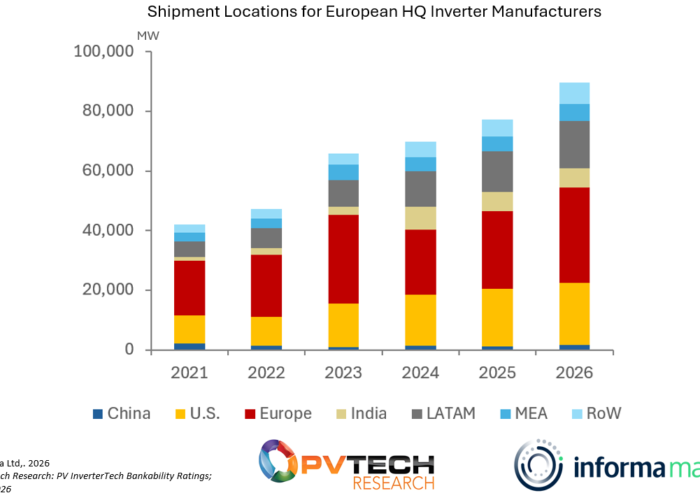
The energy market research firm added that over the past ten years, over 200GWac of PV inverters have been delivered for commercial and industrial (C&I) and utility-scale solar projects within the US, of which more than 90% were imported. Chinese-headquartered manufacturers accounted for more than 70GW of that total, with products mostly delivered from Southeast Asian facilities.
In the last two years, Chinese vendors have accounted for nearly half of the US inverter market share.
“The FCC’s intent here is clear. The US government determined that the US’s reliance on foreign inverters poses a national security risk, citing both cybersecurity and economic concerns. But the ban’s current definition of ‘power inverters’, focused on wireless communications, leaves real questions about how broadly it will apply, particularly for utility-scale central inverters that operate over wired connections,” said Shangraw.
“Future guidance from the FCC will be crucial to understand the full extent of this ban. Leading manufacturers are notifying clients that they believe their products will not fall under the scope of this ban, while project owners are concerned that their existing inverters could be blocked from receiving critical firmware updates.”
Earlier today, PV Tech published an analysis piece on last week’s FCC ban (subscription required), covering some of the questions it raised, such as what will be banned, the short- and long-term impacts, and whether it will boost domestic inverter manufacturing, among others.