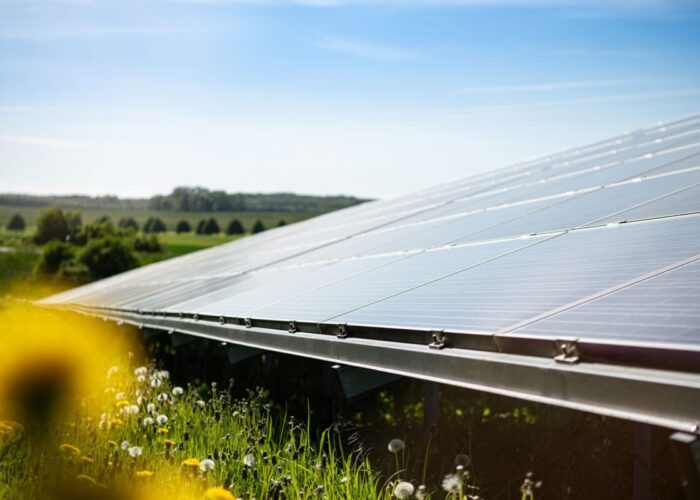
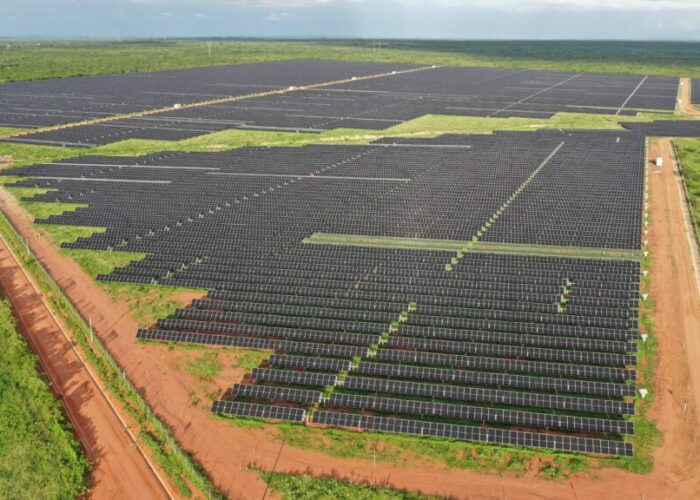
Over the next 18-months Georgia Power and the Electric Power Research Institute (EPRI) will be performing a study that will assess how solar PV power systems affect Georgia Power’s distribution system. Testing will be conducted at fifty PV systems that will be installed in cities around Georgia including: Augusta, Columbus, Conley, Macon, Rome, Savannah and Valdosta. The panels installed will be owned by EPRI and installed by Georgia Power.
The sites were chosen in order to represent different conditions found in the utility’s territory such as temperature, cloud cover and solar intensity. Seven-to-eight small PV systems will be constructed on one distribution line in each city. Each 200W panel installed will be monitored by EPRI, who will record the panels power output and sunlight input at one-second intervals.
Unlock unlimited access for 12 whole months of distinctive global analysis
Photovoltaics International is now included.
- Regular insight and analysis of the industry’s biggest developments
- In-depth interviews with the industry’s leading figures
- Unlimited digital access to the PV Tech Power journal catalogue
- Unlimited digital access to the Photovoltaics International journal catalogue
- Access to more than 1,000 technical papers
- Discounts on Solar Media’s portfolio of events, in-person and virtual
Among helping Georgia Power understand how much electricity is produced by each panel and how well they perform under varying weather conditions, the test also aims to see if the installations affect the utility’s distribution system, will help identify the feasibility of widespread solar PV installations on distribution lines and study the ranges for PV performance in Georgia.
“An installation of this size will not create a noticeable increase in the amount of energy on our distribution system,” says Scott Gentry, Georgia Power's distributed generation services project manager and coordinator for this project. “However, the data we collect from each module will provide useful information on PV generation as it relates to the utilities grid.”
Once the 18-month test is complete, all panels will remain in place so that Georgia Power can continue to monitor them for long-term results.