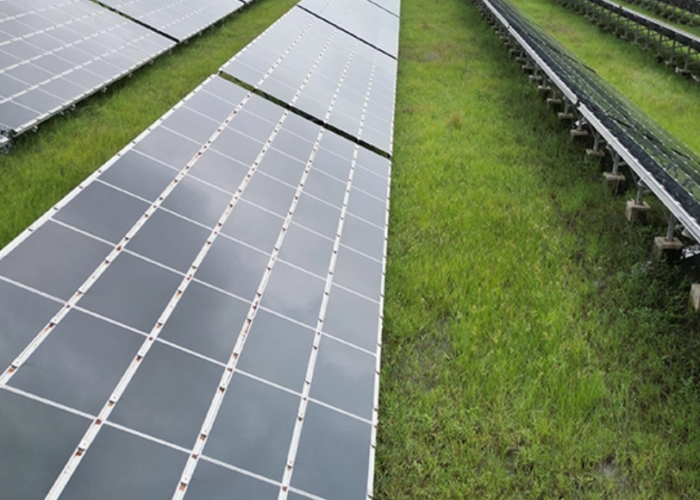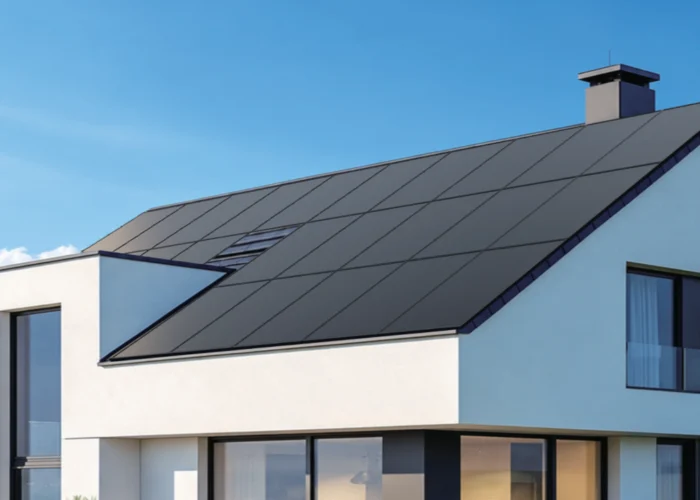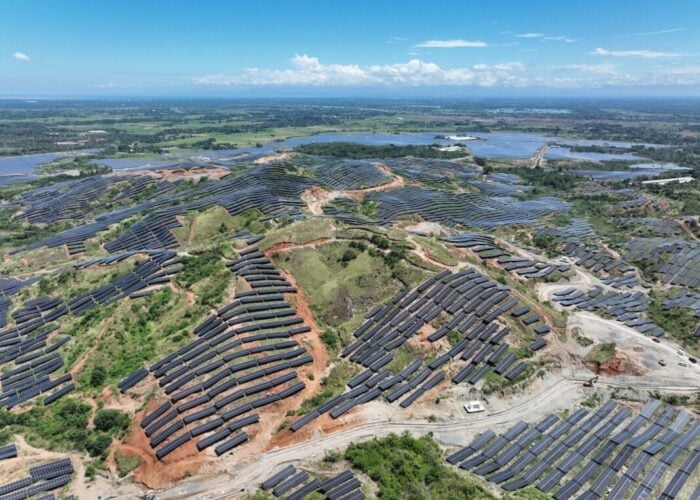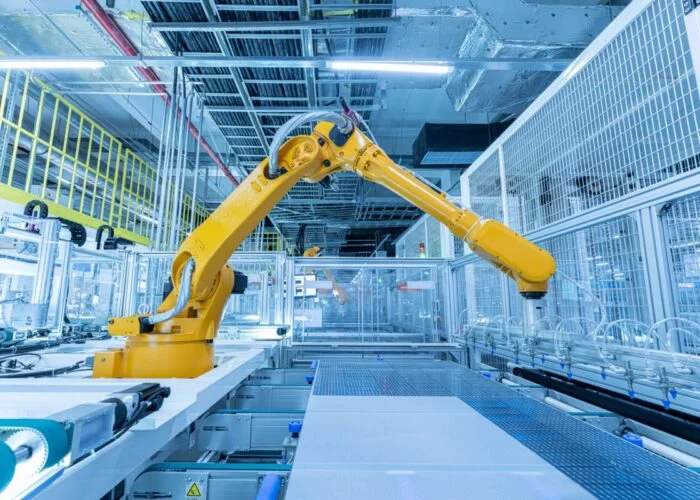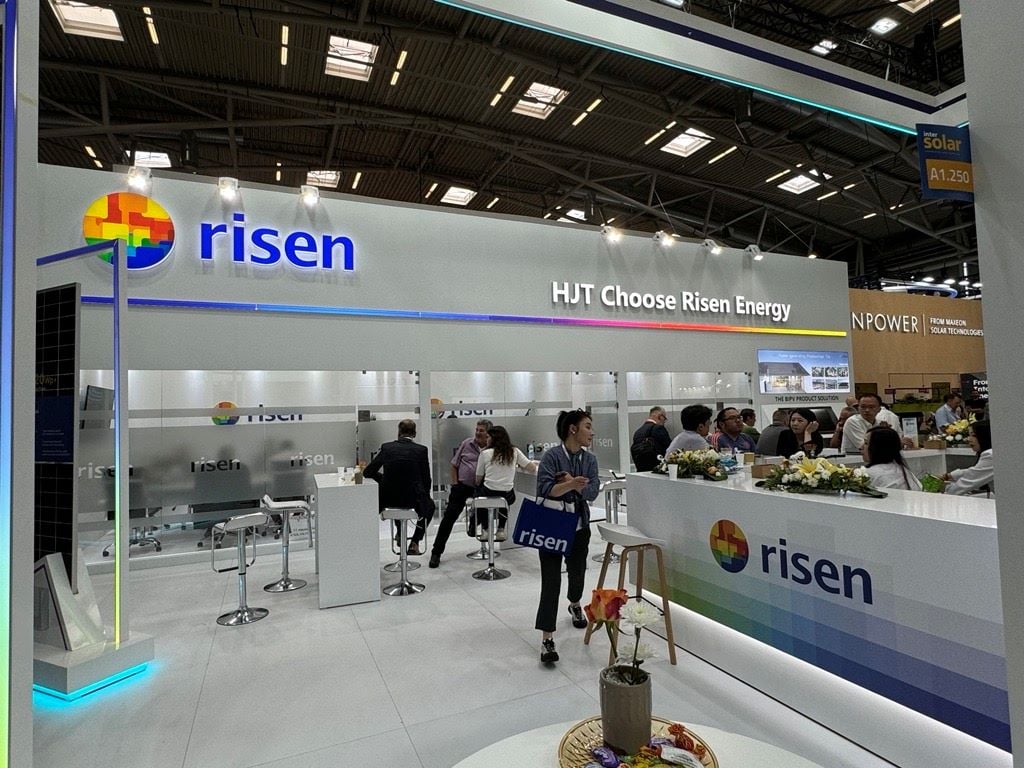
Chinese module manufacturer Risen Energy’s mass-produced heterojunction (HJT) modules have reached an average power rating of 740Wp, and a cell conversion efficiency of 26.61%, which is a record figure for the company.
The modules are part of the company’s Hyper-ion series, which entered commercial production in December 2022, and the company has sought to improve the performance of its Hyper-ion products in the years since. Last June, its modules reached a maximum power output of 767.4W and a conversion efficiency of 24.7%, and the latest generation of modules builds on this performance.
Try Premium for just $1
- Full premium access for the first month at only $1
- Converts to an annual rate after 30 days unless cancelled
- Cancel anytime during the trial period
Premium Benefits
- Expert industry analysis and interviews
- Digital access to PV Tech Power journal
- Exclusive event discounts
Or get the full Premium subscription right away
Or continue reading this article for free
“We’re targeting >27% cell efficiency and 790W+ monocrystalline modules within three years,” said Dr Yang Pochuan, dean of Risen’s global PV research institute, looking ahead to the next few years. “Our perovskite tandem tech will enable 850Wp+ mass production by 2028, advancing the world’s net-zero transition with ‘China Solutions’”.
Risen’s forecasts are broadly in line with those published by German engineering association VDMA earlier this year. In the latest edition of its International Technology Roadmap for Photovoltaic (ITRPV), the association expects silicon-based tandem solar cells and modules with an efficiency of 27% to enter commercial production in 2027.
The company noted that its newest modules have a temperature coefficient of -0.24%/degree Celsius, and delivered 4.09% higher power output than tunnel oxide passivated contact (TOPCon) modules when tested at a site in Saudi Arabia. Strong performance in desert environments, in particular, is significant considering the growing interest of many leading Chinese companies in deploying modules in regions such as the Middle East.
In 2024, industry leaders GCL-Tech and Jinko Solar were just two of many Chinese companies to announce new projects in the region, and this year, Shanghai Electric announced plans to build a 2GW solar project in Saudi Arabia with UAE state-owned renewable energy company Masdar. Indeed, Risen noted that its Hyper-ion Pro modules have recorded a 6% increase in energy output in Saudi Arabia, the UAE and other “high-irradiation regions”.
This growing interest in the Middle East is perhaps motivated by growing anti-China sentiment in the US. While the government passed a version of the tax reconciliation bill without a tax on projects that rely on materials supplied by so-called “foreign entities of concern” (FEOC) – widely understood to refer to China – president Trump’s appetite for imposing tariffs on products imported from overseas has impacted the financial viability of selling Chinese solar modules to US deployers.