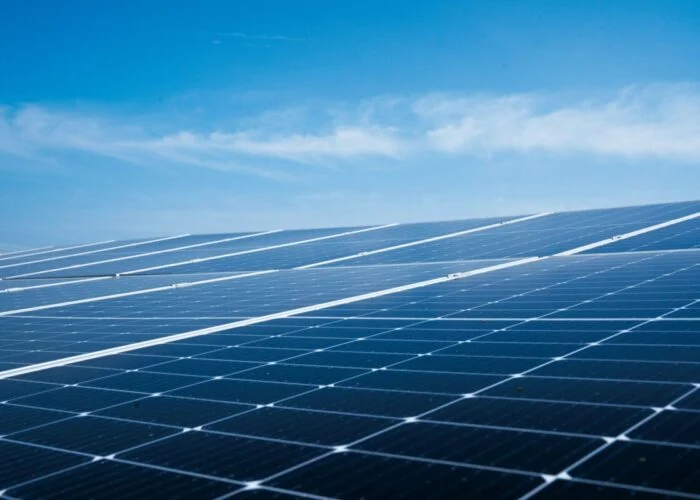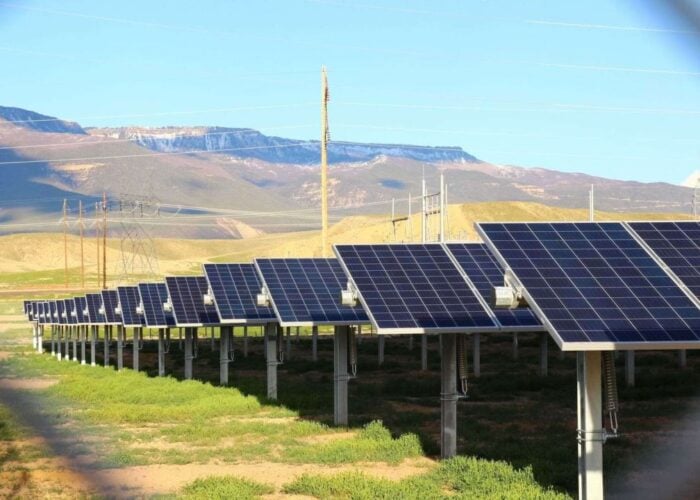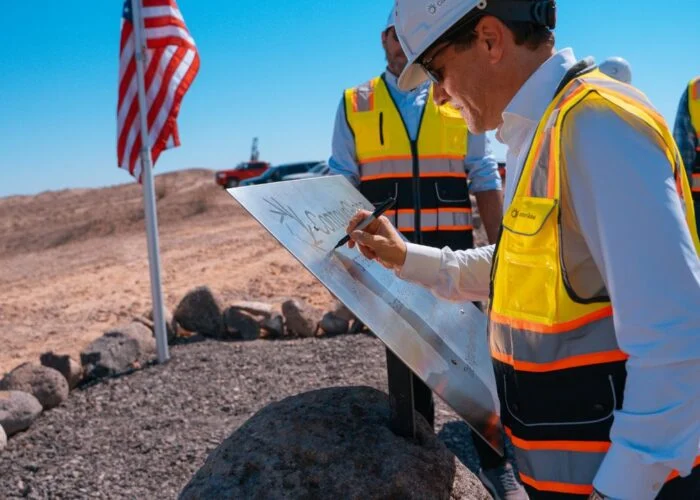
US- and Canada-based PV module producer Heliene is among the companies trialling a new American-made solar glass currently being tested for sale in the US market.
Heliene’s chief executive Martin Pochtaruk has told PV Tech that his company is testing solar glass made by Stewart Glass that entered production earlier this year.
Try Premium for just $1
- Full premium access for the first month at only $1
- Converts to an annual rate after 30 days unless cancelled
- Cancel anytime during the trial period
Premium Benefits
- Expert industry analysis and interviews
- Digital access to PV Tech Power journal
- Exclusive event discounts
Or get the full Premium subscription right away
Or continue reading this article for free
PV Tech spoke to Pochtaruk for an article published today exploring the opportunities and challenges for US-made solar glass.
The US currently has limited production of locally produced glass for solar modules, but US PV manufacturers such as Heliene are looking to domesticate as much of their supply chains as possible. Heliene has 1.3GW of crystalline silicon module capacity in the US and has recently formed a partnership with Corning and Suniva to secure locally sourced wafers and cells, but US-made glass has so far been a key missing element.
Pochtaruk explained that domestic solar glass production had not kept up with the recent boom in US module manufacturing. “As US module manufacturing has been growing, there has been no supply of non-iron content glass,” he said.
“Being able to use [locally made] glass versus importing glass is also part of de-risking the geopolitics of imports from Asia, and that’s why it’s so important.”
Stewart Glass began production of a 3.2mm front-pane solar glass product in the spring of 2026 at its plant in Logan, Ohio, becoming the first fully operational solar glass plant in the US. Its second line is due to begin production next year, adding a further 250 tons of output to the 150 tons from the first line.
However, potential demand is unlikely to be met solely by Stewart Glass, and, as our article explores further, factors such as power demands and the substantial up-front investment required to set up a glass furnace create a high barrier to entry for other potential suppliers.
Read the full article here (subscription required).
Learn more about how the domestic solar supply chain is developing in the United States at our PV CellTech USA conference in San Francisco on 13-14 October. For full details and booking, click here.