India will install 31GW of solar capacity by 2019, which is short of a projected 69GW government target, but the market will still grow at an “impressive pace”, according to the latest forecasts from consultancy firm Bridge to India.
The news of the 2019 target shortfall came just ahead of India’s Union Cabinet, chaired by the Prime Minister Narendra Modi, officially approving the country’s well-publicised 100GW by 2022 target.
Try Premium for just $1
- Full premium access for the first month at only $1
- Converts to an annual rate after 30 days unless cancelled
- Cancel anytime during the trial period
Premium Benefits
- Expert industry analysis and interviews
- Digital access to PV Tech Power journal
- Exclusive event discounts
Or get the full Premium subscription right away
Or continue reading this article for free
Bridge to India said that proposed amendments to the National Tariff Policy 2005 show that the government targeted solar to account for 8% of its electricity by 2019, which the firm calculated would require around 69GW of installed capacity.
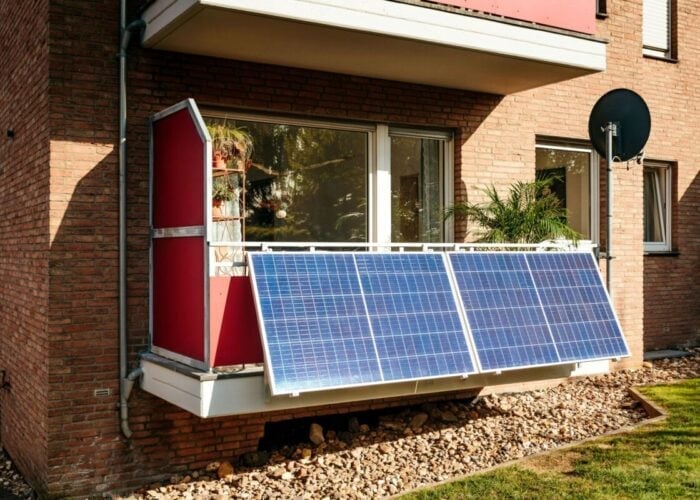
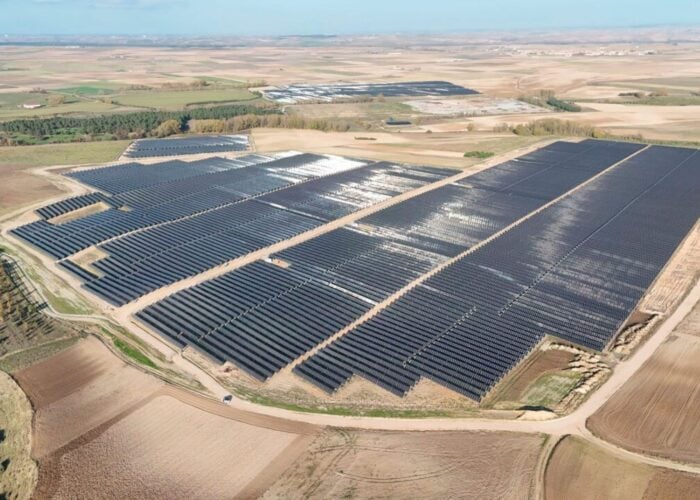
For its own forecast of 31GW the firm expects 27GW to come from utility-scale projects and 4GW to come from rooftop.
However Ivan Saha, president and chief technology officer of Vikram Solar, an Indian solar developer, which aims to be a 1.2GW player in the market by 2018 with its own cell, module and EPC offerings, said India can attain 10GW rooftop capacity by 2019 with further growth expected in line with the 40GW rooftop targets for 2022.
He said: “4GW seems like a conservative figure keeping in mind the current growth that the Indian market is witnessing today in rooftop sector. Once open access challenges and grid issues are resolved, India should be able to establish even higher rooftop capacities by 2022.”
He added that since 2009, when the Ministry of New and Renewable Energy (MNRE) launched the Jawaharlal Nehru National Solar Mission (JNNSM), India has grown from virtually zero capacity to over 3GW in five or six years.
Saha said: “The giant leap from 3GW to 31GW in the next four years must also be acknowledged as a big achievement in itself as such progress will be unprecedented and has not been witnessed in any other country.”
Finally he said achieving these targets would require a “general conducive environment for solar” in the country including financial incentives, a strong regulatory framework and technological expertise.
Bridge to India forecasts that a number of leading Indian states will be the main market drivers over the next four years. It estimates that until the end of 2019, 7.6GW will be installed through central government and 11GW through state government allocations. Renewable generation obligation (RGO) and non-policy projects will account for the rest of the utility-scale capacity.
Delays in allocation processes, relating to states' willingness to buy solar power, availability of land and transmission infrastructure, could set back the forecast number of installations.
However, the firm said solar PV deployment could be significantly larger “if the government in the centre and states put policy meat behind the distributed solar targets”.
Bridge to India said: “Overall, our message is that the Indian solar market is going to be one of the most exciting ones globally, offering many opportunities across the value chain and in different end-markets for new and established companies.”