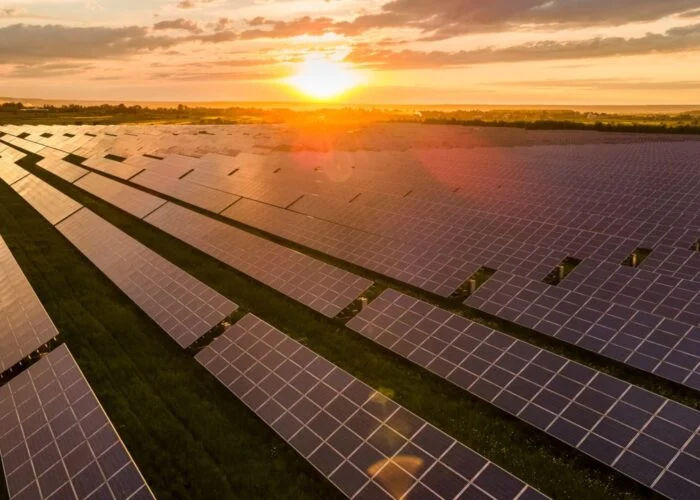
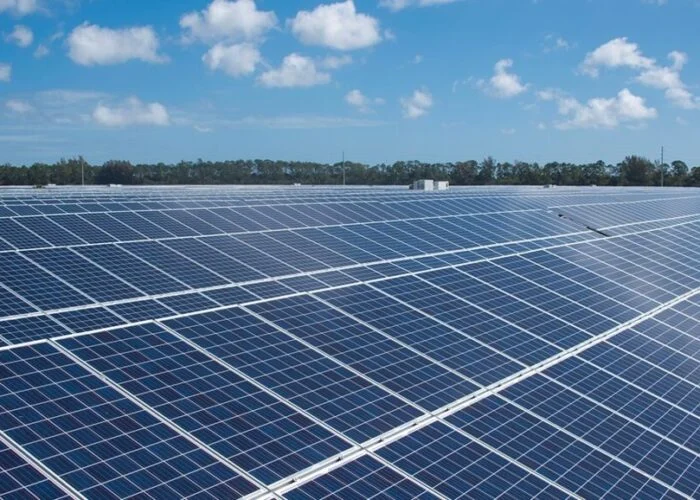
India has officially approved its well-publicised 100GW by 2022 solar capacity target after a meeting of India’s Union Cabinet, chaired by the Prime Minister Narendra Modi.
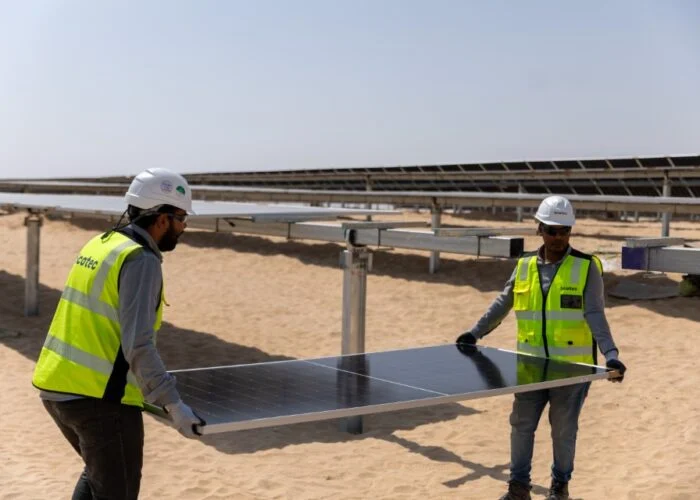
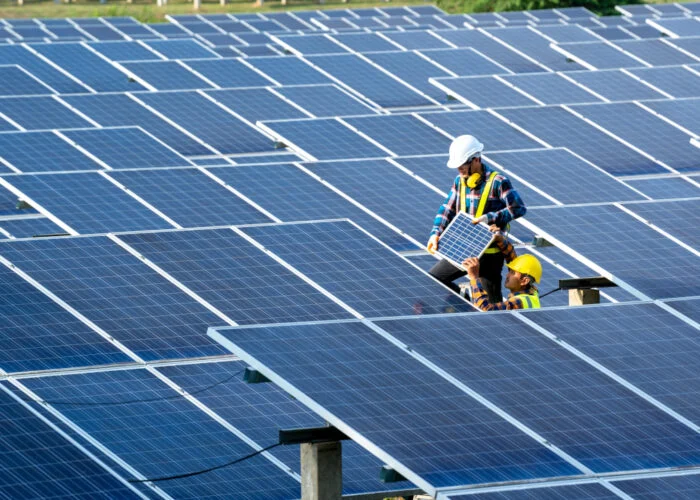
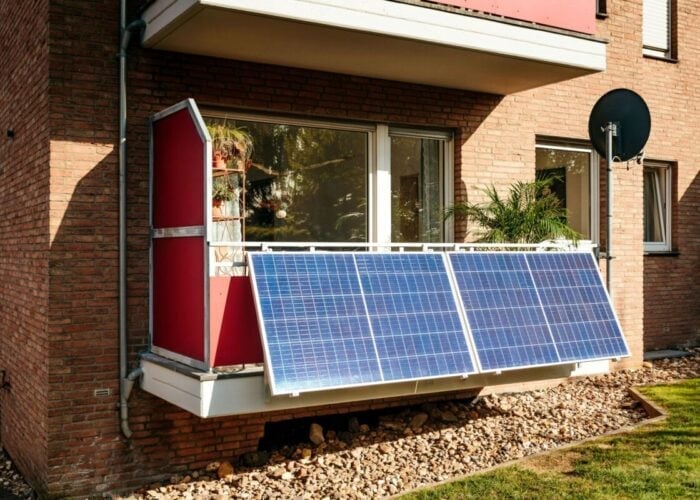
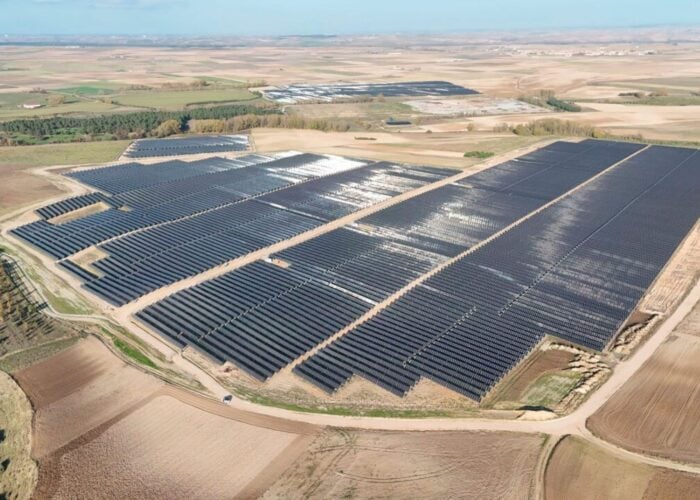
The target, which is five times the original 20GW target under the Jawaharlal Nehru National Solar Mission (JNNSM), will include 40GW Rooftop and 60GW large and medium scale grid-connected solar power projects.
Try Premium for just $1
- Full premium access for the first month at only $1
- Converts to an annual rate after 30 days unless cancelled
- Cancel anytime during the trial period
Premium Benefits
- Expert industry analysis and interviews
- Digital access to PV Tech Power journal
- Exclusive event discounts
Or get the full Premium subscription right away
Or continue reading this article for free
It will require total investment of INR6 trillion (US$94 billion).
In the first phase, the government of India is providing INR150 billion (US$2.4 billion) as capital subsidy to promote solar installations. It will be provided for rooftop solar projects, for Viability Gap Funding (VGF) based projects to be developed through the Solar Energy Corporation of India (SECI) and for decentralised generation through small solar projects.
The government of India may also approach bilateral and international donors for achieving this target.
Tobias Engelmeier, founder and director of consultancy firm Bridge to India the official approval “corroborates the government’s seriousness to achieve the ambitious targets”.
Raj Prabhu, chief executive and co-founder of Mercom Capital Group, said: “Approval of the 100GW goal by the Union Cabinet is good news but its significance to the industry is minimal until actual auctions take place and projects get off the ground. Setting goals or increasing goals does not automatically mean that these goals will be met.”
He said investors and the industry at large are more interested in competent execution.
Last year India installed 1GW and Mercom’s latest forecast is for 2GW deployment in 2015.
Prabhu said cumulative Indian installations are about 4GW, which means 96GW of solar needs to be installed in 7.5 years at a rate of about 13GW a year.
He added: “For context, total new power generation installed in India through all sources of energy was about 18GW last year with coal making up about 70% of it.”
Furthermore 13GW of solar has never been installed by any one country in a year.
Prabhu said: “Anything is possible, but there is no history of execution at these levels in India.”
He cited funding and grid infrastructure as major issues. Germany, Japan and China have all had trouble dealing with intermittent solar power having reached the 10GW level.
Looking at the overall target, Prabhu said: “When we speak with industry stakeholders most say that if we can reach at least half of that goal it will be great for the industry. In the end, that might be the real mind-set behind this aggressive goal.”
The Government listed a number of measures it has been pushing various Ministries to support, including building green energy corridors, using satellite to identify transmission infrastructure, setting up parks for domestic manufacturing of modules, and raising tax-free solar bonds among other schemes.
A recent PV Tech analysis looked in detail behind India's 100GW target.