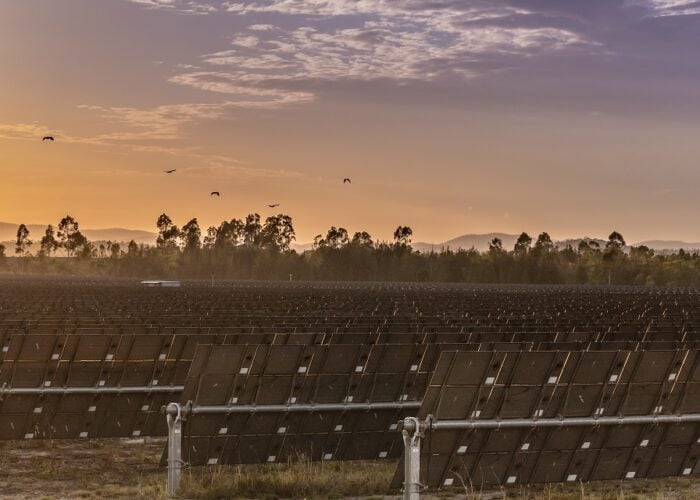
The Australian Renewable Energy Agency (ARENA) will support projects that further lower the cost of renewable generation as part of a new investment strategy aimed at underpinning the transition to net zero emissions.
Liam Stoker reflects on DNV’s Energy Transition Outlook as the consultancy laments the “missed opportunity” of the pandemic to reset global decarbonisation efforts. With COP26 just two months away, is terawatts of growth enough?
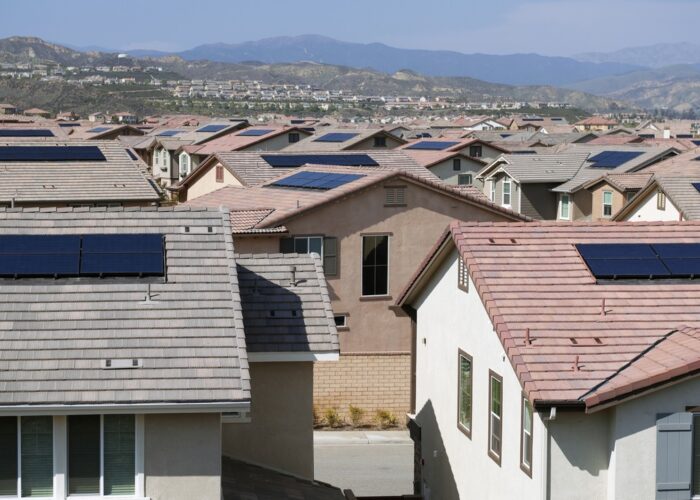
A coalition of 347 organisations has warned that potential changes to California's policy support for rooftop solar could set back climate change progress and harm low-income access to solar energy.
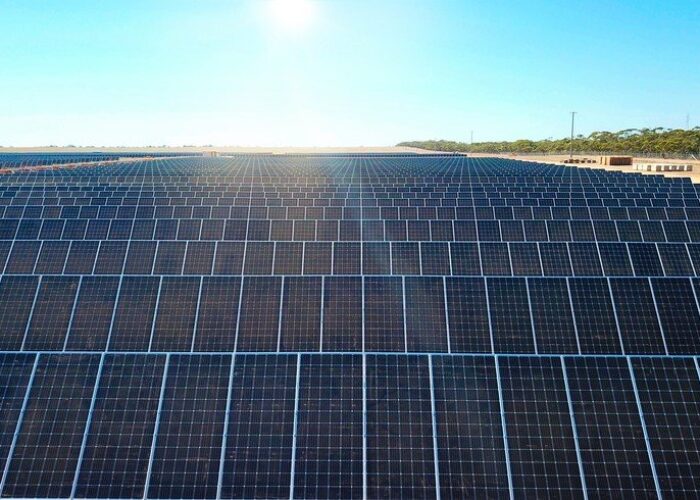
The Australian state of Victoria has launched its second Victorian Renewable Energy Target (VRET) auction for 600MW of energy projects, which will feature strengthened network requirements to ensure projects can be easily connected to Australia’s grid
The new edition of PV Tech Power is now available to download, including comprehensive coverage of supply chain issues disrupting the solar sector, learnings from our bankability ratings and much more.
Renewables developer Amp Energy has signed a land deal with an aboriginal community group in Australia, allowing the development of a utility-scale solar-storage project.
Accelerating deployment of utility-scale solar and wind means much of Australia could have sufficient renewables generation to meet 100% of consumer demand at certain times of the day by 2025, the Australian Energy Market Operator has said.
A plan to establish Australia’s largest renewable energy zone in the state of New South Wales has seen an overwhelming level of interest, with projects representing 34GW of capacity submitted.
As several large investors exit Australia, Alice Grundy takes a look at how transmission infrastructure and future policies are denting investor confidence while initiatives like the Renewable Energy Zones are creating new potential.
Renewable capacity additions in California mean the curtailment of solar generation in the state is increasing, according to the US Energy Information Administration (EIA).