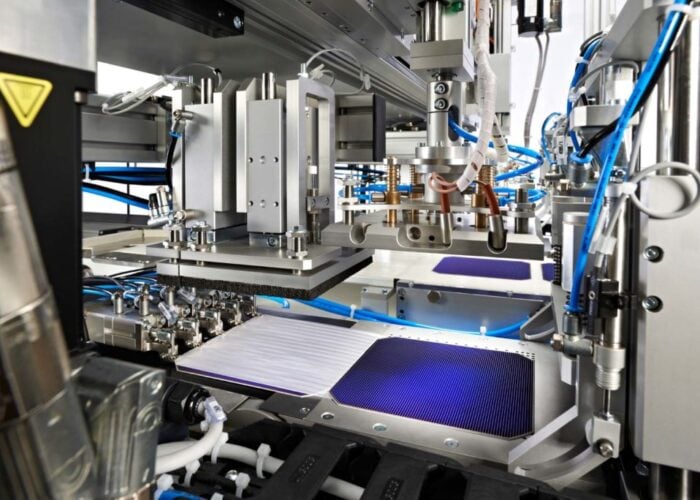
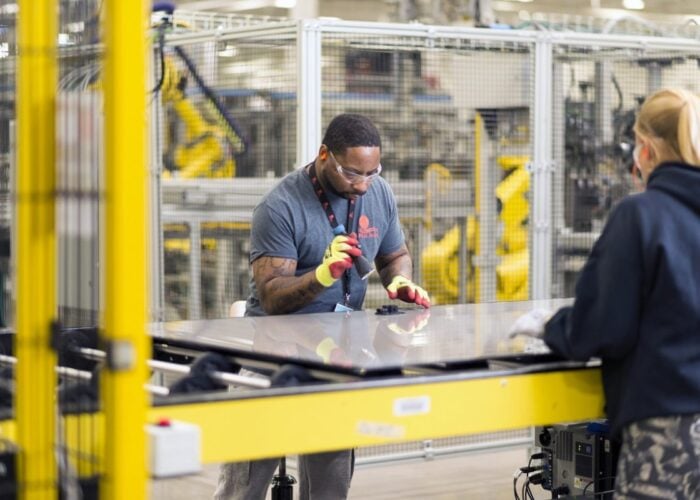
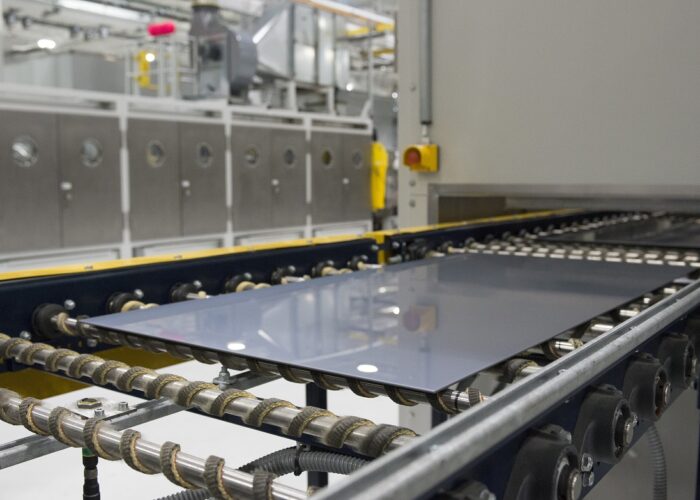
While solar deployment throughout Europe is expected to soar, can the same be said for manufacturing on the continent? As part of this week’s special feature on European solar, Liam Stoker assesses the potential for solar manufacturing to return to Europe.
First Solar has lowered its earnings and module shipment guidance for 2021 as the company continues to anticipate elevated shipping costs for the remainder of the year.
Not only will solar be the dominant source of new power generation in Europe by 2025, cementing its position as the third largest market for solar globally, but the continent has placed the asset class at the very heart of its COVID-19 recovery strategy. As part of a week-long special report on PV Tech Premium, Liam Stoker, Edith Hancock and Jules Scully explore the drivers for solar in Europe, the key markets and the challenges that remain.
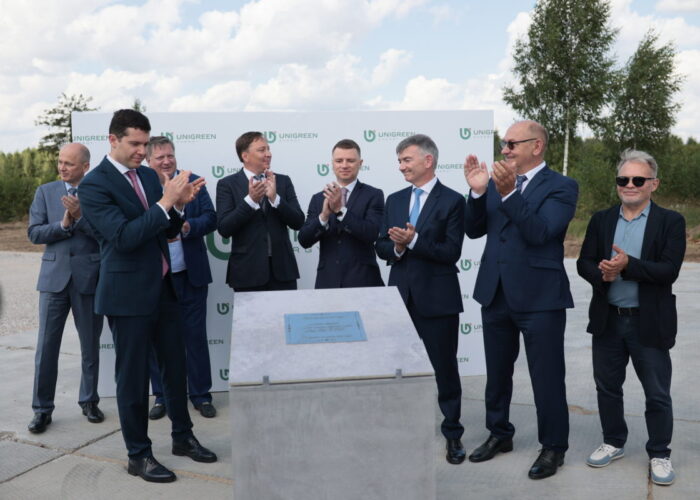
Unigreen Energy, owned by Hevel majority shareholder Ream Management LLC, has broken ground on a wafer and cell manufacturing plant that will produce 1.3GW of silicon n-type monocrystalline ingots and wafers as well as 1GW of heterojunction technology (HJT) solar cells.
Enphase Energy shipped fewer microinverters in Q2 2021 than in the preceding quarter as supply constraints continued to bite, but the manufacturer still managed to boost revenue sequentially.
Tesla reported retrofit solar installations of 85MW in Q2 2021, cementing its recovery from a worst-ever performance in the corresponding period last year.
Meyer Burger is considering its legal options after long-time heterojunction tandem solar cell manufacturing partner Oxford PV ended its collaboration agreement unexpectedly.