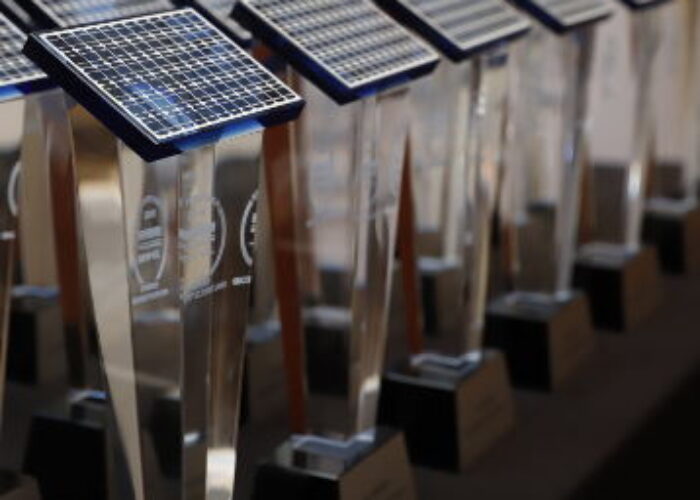
Leading ‘Silicon Module Super League’ (SMSL) member JinkoSolar has acknowledged its recognition as a ‘Top Performer’ in DNV GL's 2018 PV Module Reliability Scorecard results, which were announced at SNEC in China in May.
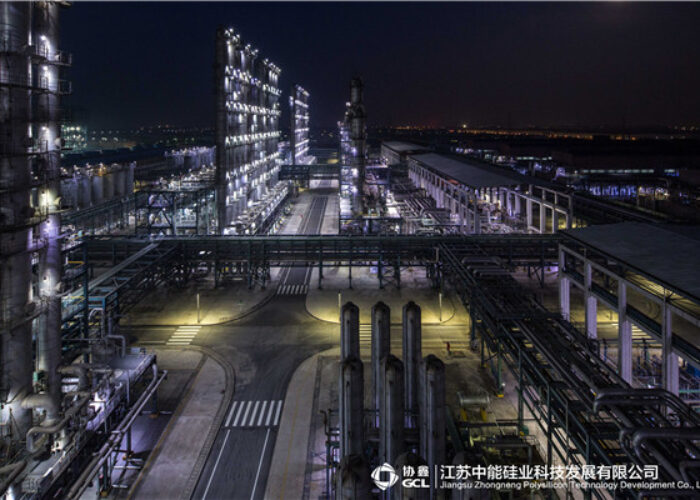
Leading polysilicon and solar wafer producer GCL-Poly Energy Holdings has announced that its new Xinjiang polysilicon production plant’s annual nameplate capacity will be increased to 60,000MT, up from the revised plans mid-year to increase the capacity from 40,000MT to 50,000MT.
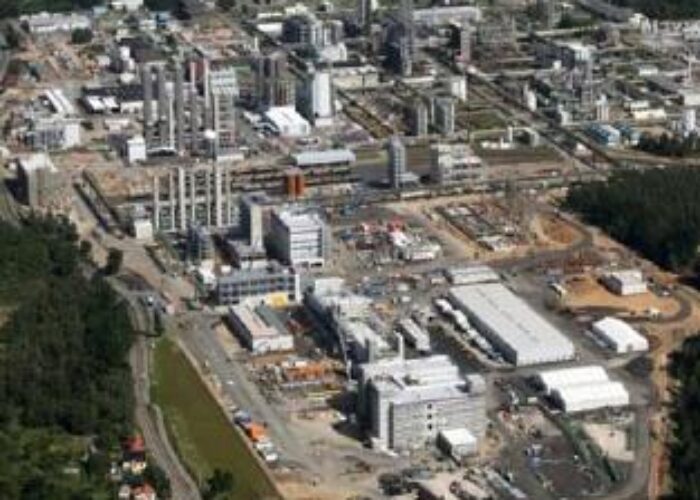
Major polysilicon producer Wacker Chemie has reported a significant decline in the fortunes of its polysilicon business segment in the third quarter of 2018.
PV Tech caught up with Scott Howard, global marketing manager, Solar Energy Solutions, at 3M to discuss how sunlight can be redirected for improved efficiency in PV modules.
Polysilicon producer REC Silicon has been forced to sell solar grade (FBR) polysilicon below cash cost, due to weak demand and ASP declines, driven by demand curtailment in China and continued polysilicon capacity expansions.
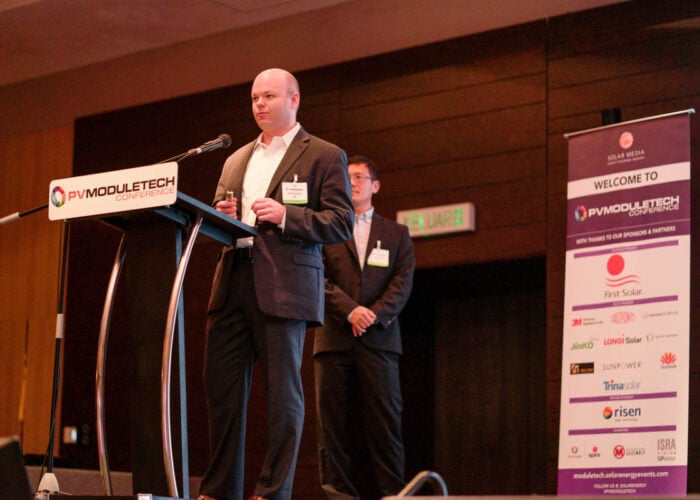
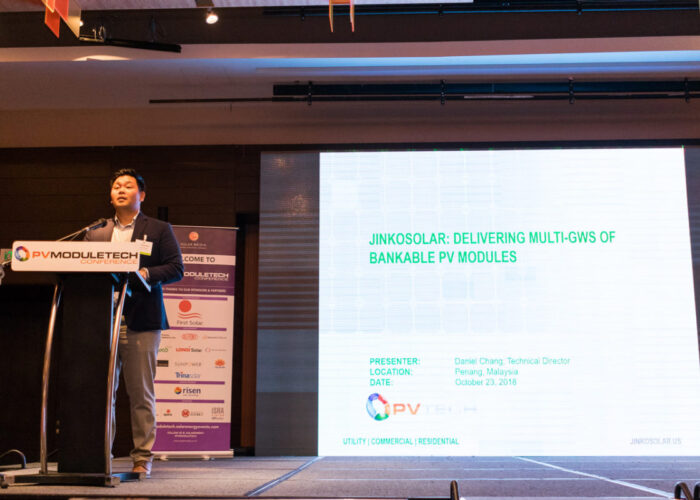
PV Tech caught up with Daniel Chang, technical director at major China-based PV manufacturer JinkoSolar, to discuss the performance of installed PERC products, new testing regimes, what consumers are asking for and how to release new modules to market.
PV manufacturing capacity expansion announcements in the second quarter of 2018, were slightly higher than the previous quarter, although activity slumped specifically in June, after China’s decision to suddenly cap utility-scale and distributed generation (DG) projects (531 New Deal). But large-scale multi-gigawatt production plans in the first half of the year may have hidden an inevitable slowdown, despite the impact on downstream demand from the 531 New Deal.
The Chinese government’s decision (531 New Deal) to curtail utility-scale and distributed generation (DG) PV deployments just after the SNEC trade show at the end of May, not only surprised the industry but has since fuelled a significant ASP decline of modules and inverters.
Leading PV manufacturing equipment supplier Meyer Burger has announced a new restructuring program, which is intended to bring its breakeven level to around CHF 250 million per annum.
China-based polysilicon producer Daqo New Energy Corp said that its polysilicon production costs were targeted to reach US$6.80 per kilogram in 2020, once the capacity expansion to 70,000MT per annum had been completed.