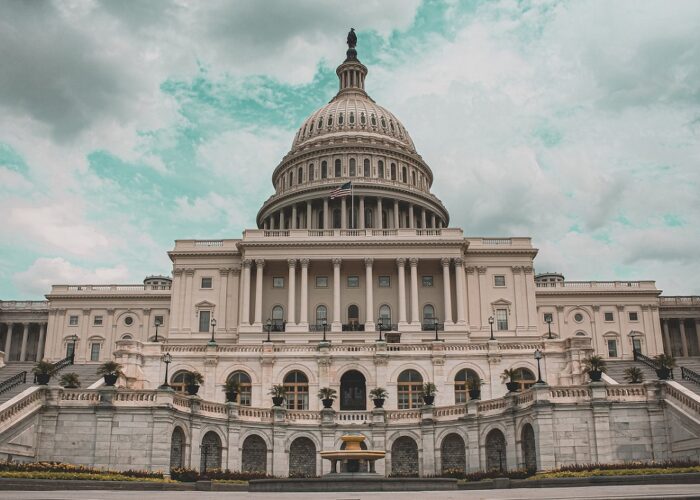
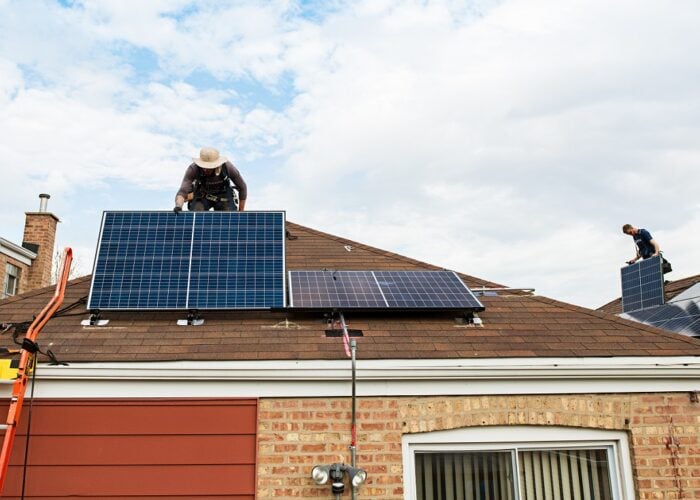
More than 260 companies in the US clean energy sector are demanding urgent action on the US$1.75 trillion Build Back Better (BBB) Act, claiming that US$2 billion is being lost in economic activity every month the long-awaited bill is delayed.
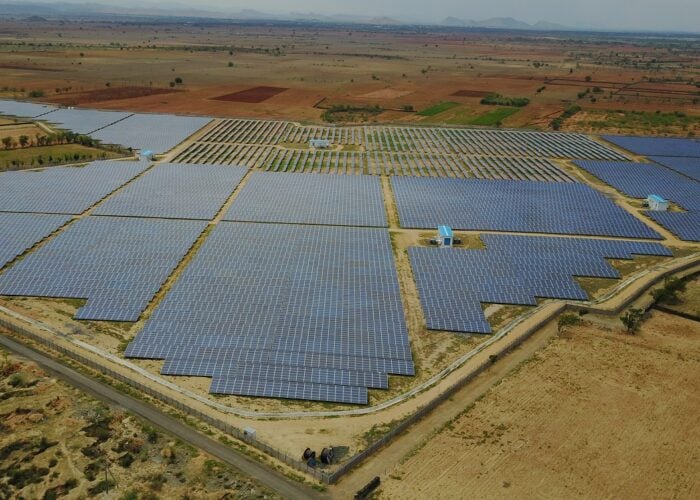
India is at risk of a supply and demand mismatch for solar equipment if domestic PV manufacturers are unable to meet the quantity and quality required by project developers, Fitch Solutions has warned.
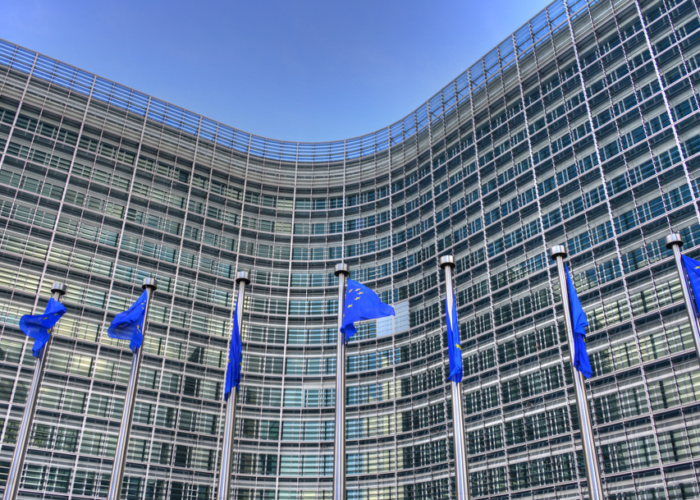
The European Commission has launched a public consultation on solar energy on the continent as it continues preparations to publish its solar strategy later this year.
Greece is on track to accelerate solar deployment in the coming years, with the sector boosted by rising demand for renewable offtake agreements from corporations and clean energy policies from the EU, according to the general manager of Greek industrial group Mytilineos’s renewables business.
Mississippi authorities have expanded the state’s net metering programme to improve total compensation rates for solar customers and prioritise the adoption of distributed PV for low- to moderate-income (LMI) households.
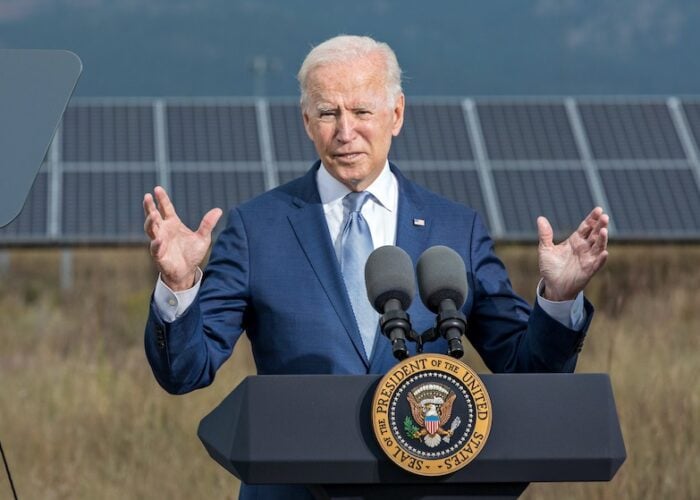
President Joe Biden believes he can win support for the energy and environmental initiatives included in his Build Back Better (BBB) Act, saying he is confident of getting “big chunks” of the US$1.75 billion legislation signed into law.
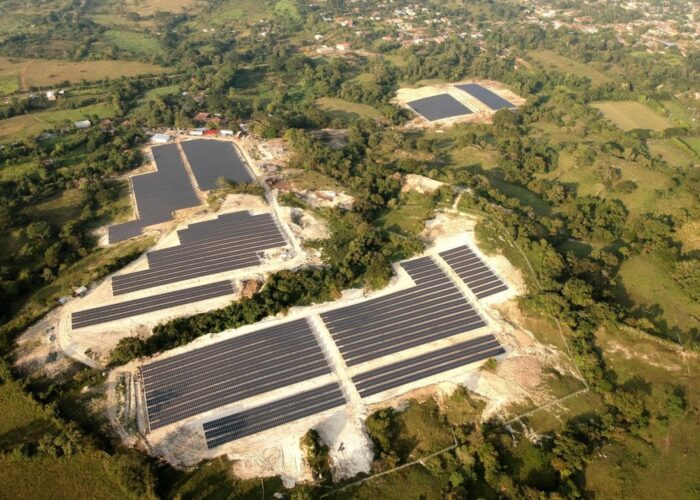
Latin America is fast becoming a lucrative solar market as countries ramp up deployment efforts. In this context, Colombia and Panama stand out as key markets to look out for, MPC Energy Solutions' CEO tells PV Tech Premium
Indonesia could host up to 1.2GW of solar PV that would export electricity to Singapore as part of new proposals put forward by a coalition of four international companies.
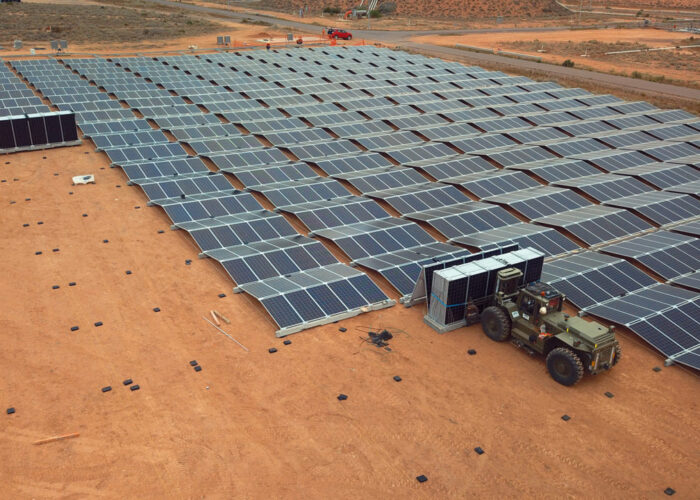
Prefabricated solar solutions manufacturer 5B is looking to improve the scalability and cost of its technology through an AU$33.4 million (US$24 million) innovation programme and support from the Australian Renewable Energy Agency (ARENA).
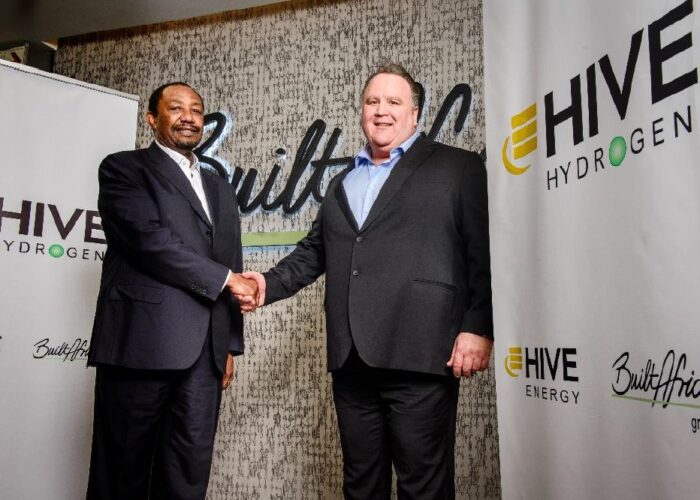
Hive Hydrogen and Linde plc have teamed up to establish the “world’s largest green ammonia export plant” in Nelson Mandela Bay, South Africa that will have a 780,000 ton/year production capacity.