Kenya has lifted VAT charges on all solar equipment imported into the East African country.
The move nullifies a 16% VAT rate brought in late last year on imported solar products.
Try Premium for just $1
- Full premium access for the first month at only $1
- Converts to an annual rate after 30 days unless cancelled
- Cancel anytime during the trial period
Premium Benefits
- Expert industry analysis and interviews
- Digital access to PV Tech Power journal
- Exclusive event discounts
Or get the full Premium subscription right away
Or continue reading this article for free
The lifting of the tax has been welcomed by solar installers and campaigners in Kenya.
Linda Wamune, operations director of Solar Aid in Kenya, said: “Removing VAT on solar products reduces the cost to consumers and aids access to everyone buying solar products. The benefits to Kenyans and the national economy will be substantial. We will be able to reach more customers in off-grid areas throughout Kenya with these price decreases.”
However, there are concerns over the impact the move could have on Kenya’s domestic PV manufacturing sector.
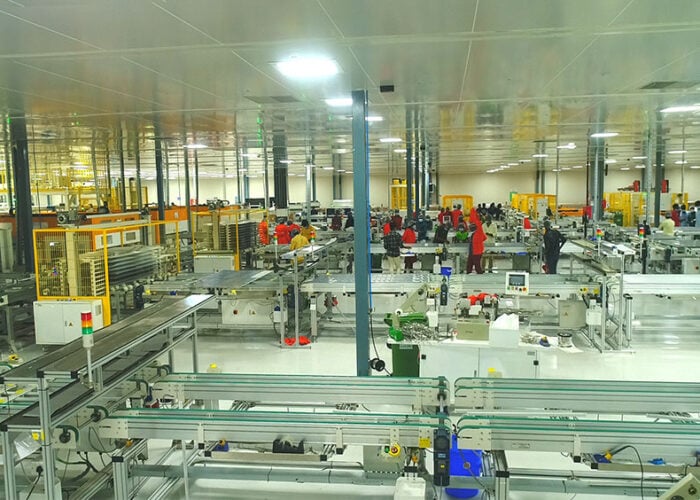
“The new tax exemption, while being a very noble idea on the surface, will have negative effects on local manufacturers,” said Haijo Kuper, managing director of solar manufacturer Ubbink East Africa, based in Kenya.
“The vibrant solar energy market that Kenya has developed will be flooded with cheap imports. Local manufacturing has the added advantage of offering after sales and warranty due to close proximity,” Kuper added.
George Bowman, founding director of Azimuth Power, co-developer of the recently completed Changoi PV installation in northern Kenya, said: “When we started out last year there was no VAT on solar, then it was added and now…it appears to be off again. I think this is a good thing overall as it will make systems more attractive to commercial buyers, but I can understand Haijo’s position.”