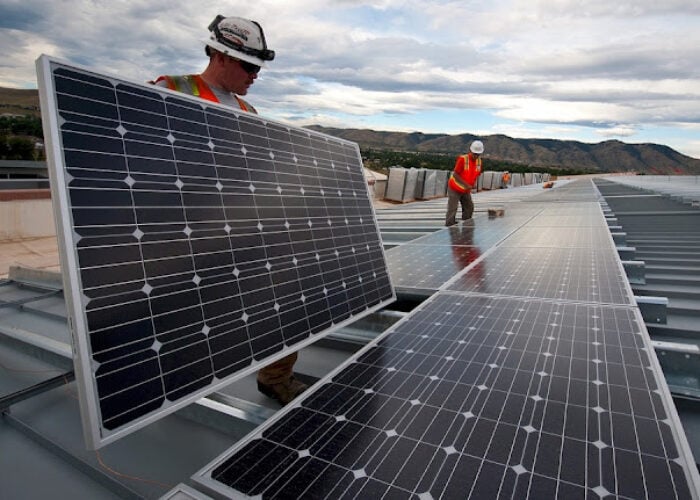
The rate of installation of new self-consumption PV systems in Spain fell slightly last year, according to data from trade body the Spanish Photovoltaic Union (UNEF).
A total of 1,139MW of new self-consumption PV systems were installed in 2025, a 3.7% drop from the new systems registered in 2024. The new installations bring the total solar self-consumption capacity in Spain to 9.3GW.
Try Premium for just $1
- Full premium access for the first month at only $1
- Converts to an annual rate after 30 days unless cancelled
- Cancel anytime during the trial period
Premium Benefits
- Expert industry analysis and interviews
- Digital access to PV Tech Power journal
- Exclusive event discounts
Or get the full Premium subscription right away
Or continue reading this article for free
Even though the year-on-year decrease was not too high, it continued the downward trend for self-consumption since 2022, when Spain registered a record high of 2.5GW deployed.
If Spain continues this downward trend for self-consumption, it will not be possible to reach the country’s target of 19GW set in its National Energy and Climate Plan (NECP) for 2030. UNEF estimated that it would require around 2GW of new self-consumption per year over the coming years to stay on track with that 19GW target.
Residential and commercial numbers down, industrial up
More than 36,000 households installed self-consumption PV systems in 2025, representing a combined 229MW of new solar PV, a 17% decrease from the previous year.
The trade association added that this slowdown could increase significantly due to the non-validation last week of legislation intended to extend a deduction in personal income tax for energy efficiency works in homes, which is a key driver of residential self-consumption. The law, called Real Decreto-ley 16/2025, was presented in December 2025, but did not pass through the Congress of Deputies last week.
This issue adds to the fact that surplus energy prices under free-market tariffs continue to decline. UNEF called for improvements to surplus compensation under regulated tariffs.
Similar to the residential sector, 2025 installations of commercial self-consumption PV systmes also decreased year-on-year by 15% to 176MW. UNEF mentioned that both residential and commercial sectors have a high potential for the development of collective self-consumption and called for the implementation of the improvements included in a draft of a new royal decree on self-consumption.
On the other hand, growth in industrial self-consumption in Spain remained stable (+0.7%) with 679MW added in 2025.
One aspect that saw an important growth in 2025 was the installation of off-grid applications, which rose by 105% with a combined 55MW.
On a more positive note, interest in self-consumption with energy storage has increased across all sectors in 2025. This was more pronounced after the Iberian blackout in April 2025 (subscription required).
Although the published data corresponds to solar PV, the trade association highlighted that many of the installed inverters are already prepared to install batteries. In this regard, UNEF said the industry considers the new self-consumption legislation, which is currently under work, key as it would introduce, for the first time, distributed storage into the regulatory framework.
“Self-consumption has demonstrated its great value in saving on bills, combating pollutant emissions, achieving energy independence and reducing investments in grids. Now it is essential to provide it with a stable and ambitious regulatory framework that allows for an accelerated growth rate and the full realisation of its potential,” said José Donoso, director general of UNEF.