Solar is to become an energy policy axis of the newly-reappointed government of Israeli prime minister Benjamin Netanyahu, with plans now laid out for a decade-long renewable boom.
The Energy Ministry released a plan this week to mobilise a whopping 80 billion Israeli Shekel (US$23 billion) in government and private funding to deploy gigawatts of solar by 2030, coinciding with a coal phase-out over the decade.
Try Premium for just $1
- Full premium access for the first month at only $1
- Converts to an annual rate after 30 days unless cancelled
- Cancel anytime during the trial period
Premium Benefits
- Expert industry analysis and interviews
- Digital access to PV Tech Power journal
- Exclusive event discounts
Or get the full Premium subscription right away
Or continue reading this article for free
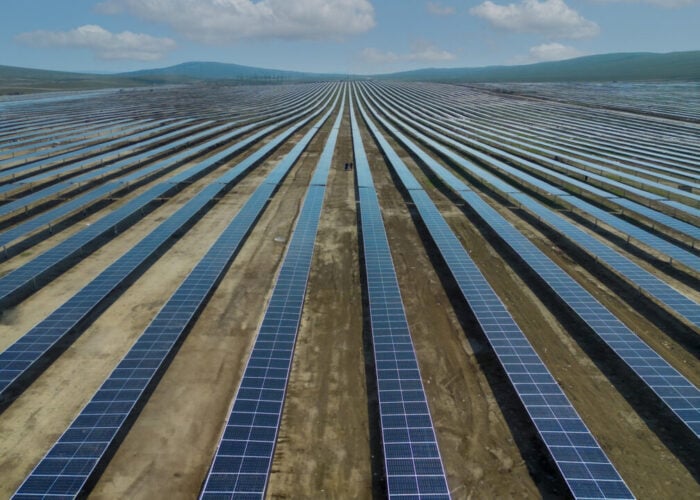
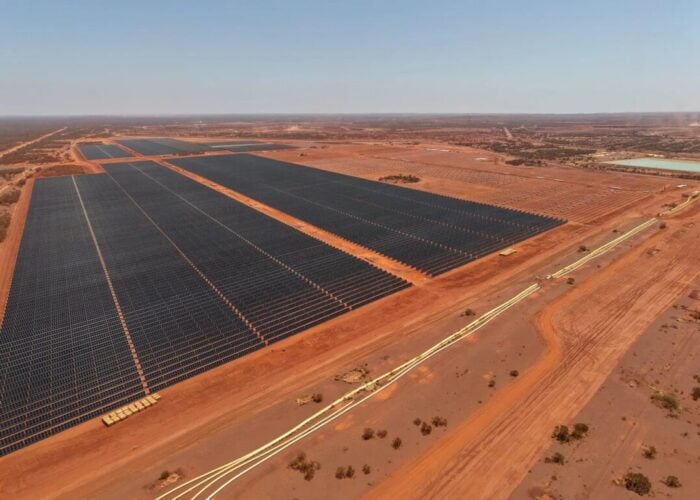
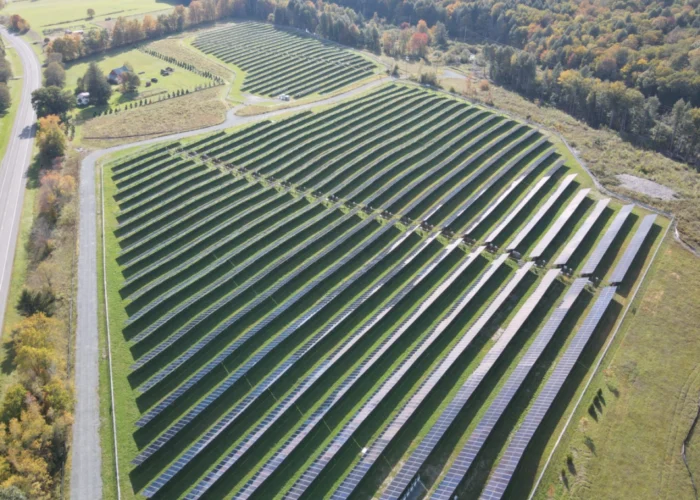
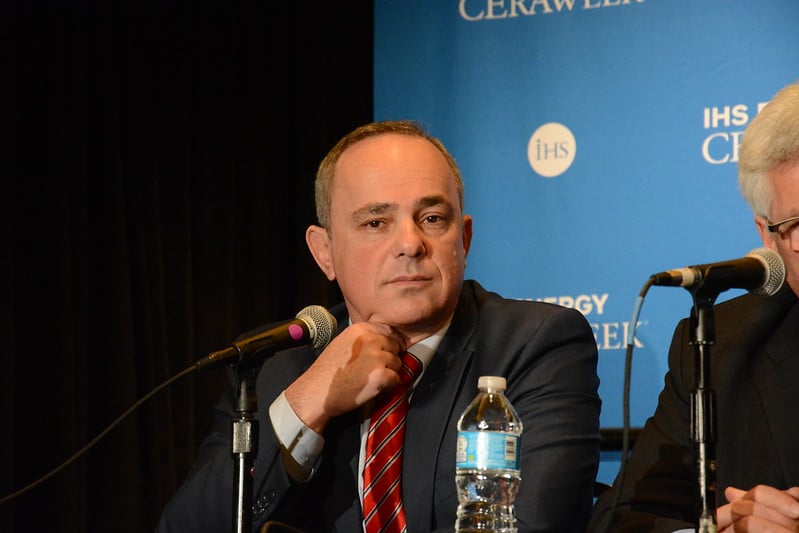
The roadmap by Energy minister Dr Yuval Steinitz – who was reconfirmed to the role in mid-May – is targeting a 16GW solar fleet by 2030, able to cover 30% of the country’s power demands. On sunny days, the solar’s power mix share could reach peaks of 80%, the document says.
The US$23 billion plan would make solar the overwhelming leader in Israeli renewables, accounting for 90% of all green energy generation by 2030. The projected 16GW solar fleet would be mostly deployed by private firms, with separate state investments in grid expansion and energy storage.
In statements echoed by the national press, minister Steinitz said the solar plan will turn Israel into a “world leader”. The solar and storage systems the country now wants to build within 10 years are equal to “all the power plants and power production existing in Israel today,” he remarked.
Long-term energy source, short-term COVID-19 shield
Should the 16GW-by 2030 ambition materialise, they would bring an unprecedented boom for Israeli solar. The industry covered a meagre 5% generation share last year and, according to IRENA, held just 1.43GW of installed solar capacity (1.19GW of it PV plants).
Israel’s long-term bet on solar emerges as the Middle Eastern state targets the sector as a driver of post-COVID economic recovery. According to the most recent stats, the pandemic has infected a reported 17,000-plus people across the country, of whom 291 have died.
A month ago, minister Steinitz himself announced solar would be the core of a broader energy and water infrastructure investment plan, meant to shore up the economy in the short term. This earlier plan was, the Ministry said at the time, Israel acting “quickly and acutely” to restart growth.
Announcing funding for an initial solar pipeline of 2GW, the COVID-19 comeback plan said Israel would be “careful” as it decides which projects to fund. “They must be the engine that will drive the economy on the one hand and on the other, bring long-term benefit,” the Ministry said.
The choice of solar as the centrepiece of the future energy mix mirrors that of Algeria. In late May, the Maghreb state said it will invest some US$3.2-3.6 billion to install 4GW of solar from 2024 and 2026. The plan lies, official said, “at the heart” of Algeria’s broader economic ambitions.