Trump foreign investment stance blocks Recurrent’s China deal

Facebook
Twitter
LinkedIn
Reddit
Email
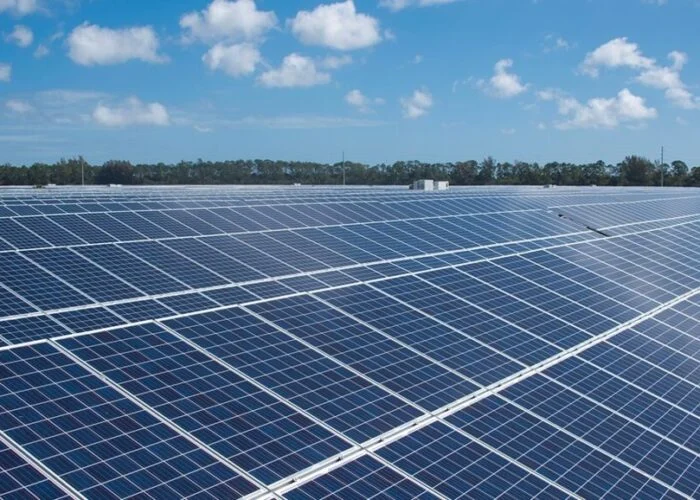
Source: Flickr/Matt A.J.

The Committee on Foreign Investment in the United States (CFIUS) has blocked the US$232 million investment by Shenzhen Energy in three projects owned by Recurrent.

The funds were for stakes in three projects; Mustang, Tranquillity, and Garland, all in California. It would have been Shenzhen’s first deal in the US. Recurrent Energy’s parent company, Canadian Solar, has sold a number of assets in its native China to Shenzhen Energy.

This article requires Premium SubscriptionBasic (FREE) Subscription

Try Premium for just $1

  • Full premium access for the first month at only $1
  • Converts to an annual rate after 30 days unless cancelled
  • Cancel anytime during the trial period

Premium Benefits

  • Expert industry analysis and interviews
  • Digital access to PV Tech Power journal
  • Exclusive event discounts

Or get the full Premium subscription right away

Or continue reading this article for free

In a statement to the Shenzhen stock exchange, Shenzhen Energy said that despite “repeated communication” with the Committee, the deal could not obtain approval and as a result, Recurrent had issued a letter of termination of the deal on 4 August. The deal was originally struck in October 2017.

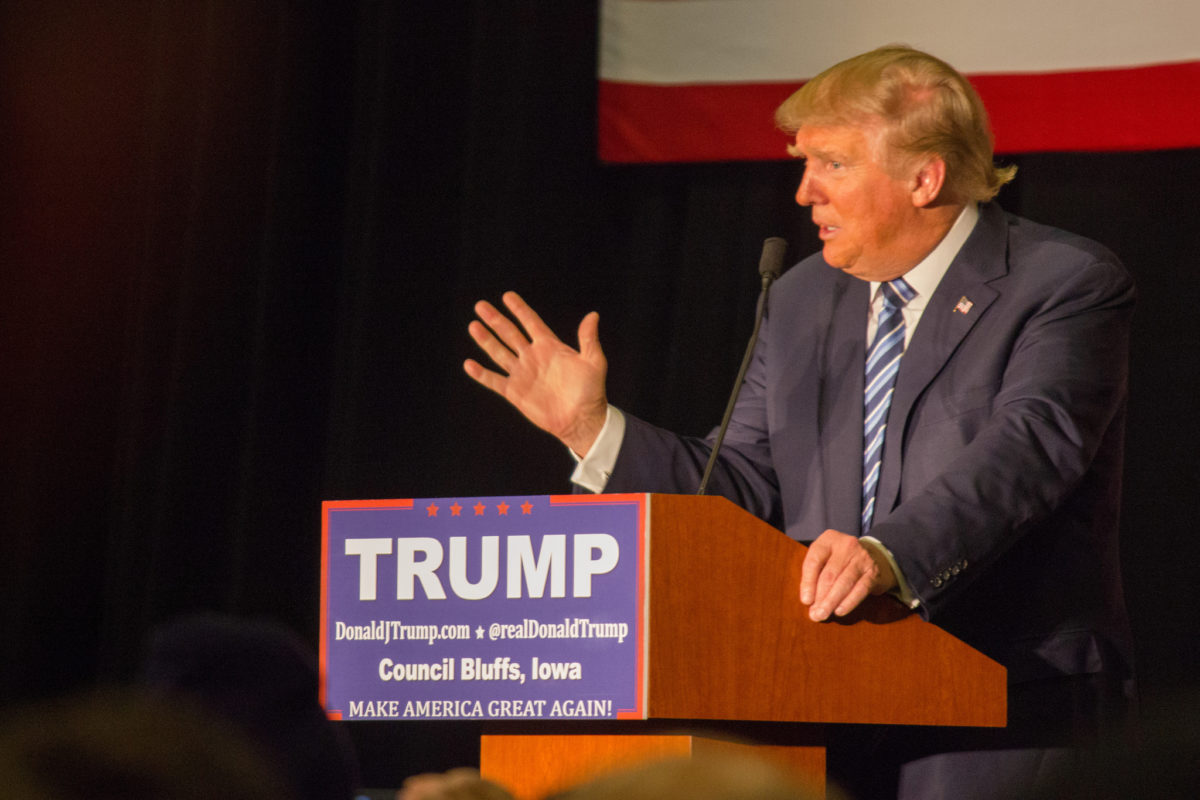
President Trump has bolstered the powers of the Committee to block deals based on national security criteria. Investments in technology companies have also received additional attention as part of ongoing tension over intellectual property rights.  

Assessment of the impact of the incumbent president on the solar industry has focused on the Section 201 trade tariffs and the corporation tax cut's effect on the tax credit market. 

In 2017, foreign direct investment in the US fell by almost a third year-on-year, according to the US bureau of economic analysis.
13 October 2026
San Francisco Bay Area, USA
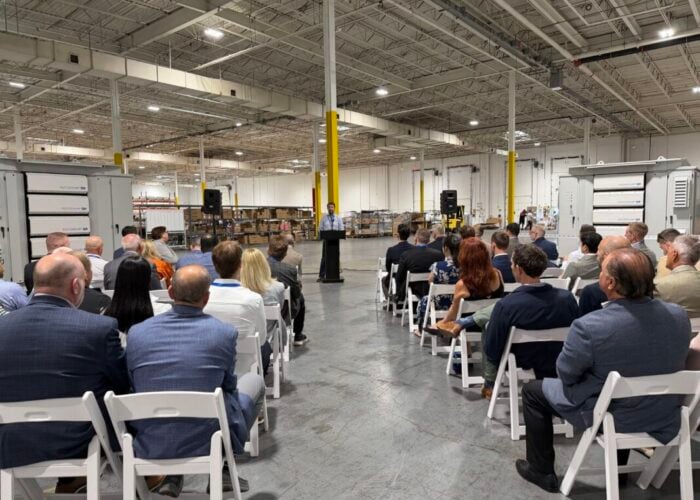
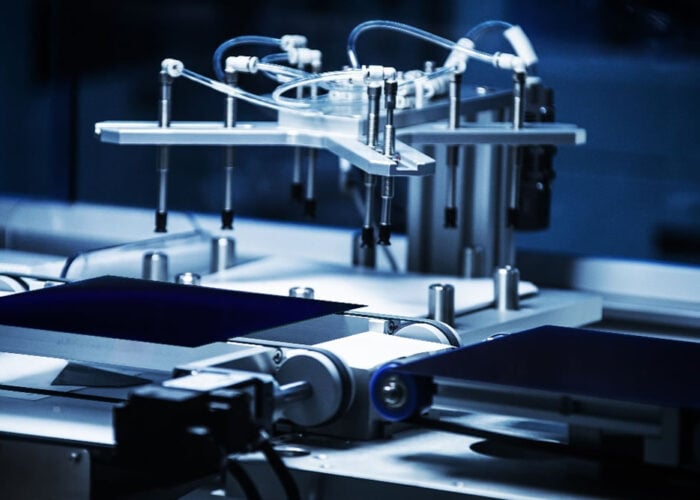
PV Tech has been running an annual PV CellTech Conference since 2016. PV CellTech USA, on 13-14 October 2026 is our fourth PV CellTech conference dedicated to solar manufacturing in the USA. From polysilicon, wafers, ingots, cells and modules, to critical component suppliers including glass and frames, the event connects every stage of the value chain under one roof. PV CellTech USA also brings together investors, innovators, manufacturers and industry stakeholders to collaborate and strengthen domestic solar manufacturing across the United States.

Read Next

September 3, 2026
In this week's PV Chart of the Week, we look at disparity between announced and operational cell and module manufacturing capacity in the US across PERC, TOPCon and HJT.
September 3, 2026
PERC, TOPCon or HJT? In the fourth of five articles this week, Moustafa Ramadan and Joe Hennessy of PV Tech Research examine emerging technology trends in US solar cell and module manufacturing.
Premium
September 3, 2026
Heterojunction is emerging as the n-type technology of choice as US PV manufacturers seek to minimise IP-related risks.
September 2, 2026
Waaree Energies approved US$37 million to expand its Arizona module plant to 1.6GW and consolidate 2.11GW in Gujarat.
September 2, 2026
New Jersey governor Mikie Sherrill has signed into law a bill that will permit state residents to use plug-in solar panels of up to 1,200W.
September 2, 2026
In the third part of this week’s series exploring the US solar supply chain, we track how quickly announced manufacturing capacity is translating into real production.

Upcoming Events

Solar Media Events
October 13, 2026
San Francisco Bay Area, USA
Solar Media Events
November 3, 2026
Málaga, Spain
Solar Media Events
November 24, 2026
Warsaw, Poland
Solar Media Events
February 2, 2027
London, UK