BP’s Statistical Review of World Energy 2021, published late last week, highlights how the world’s energy systems are changing at rapid pace, but equally illustrates how that pace of change must accelerate across the world if established economies are to meet net zero targets. Liam Stoker looks at the key takeaways from the report.
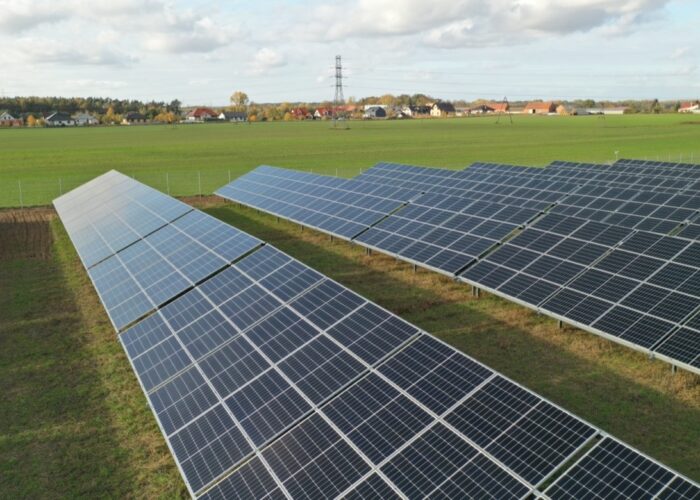
Solar’s dominance in recent renewables auctions in Poland has further reinforced the promising outlook for the market, with developers and analysts welcoming support provided for the construction of smaller projects.
Floating solar may be more commonly associated with Asia’s solar market, however the asset class is proving itself to be of significant potential throughout Europe, as evidenced by projects in the Netherlands, Germany and the UK. Exclusive to PV Tech Premium subscribers, we brought together industry stakeholders to discuss the size of the FPV opportunity.
As it matures, the solar industry is moving beyond the use of Performance Ratios (PR) as the go-to performance metric for operational sites. Christopher West, head of central engineering - solar PV delivery unit at Statkraft, argues the case for PRs to be replaced by alternative, more evolved methods of assessment.
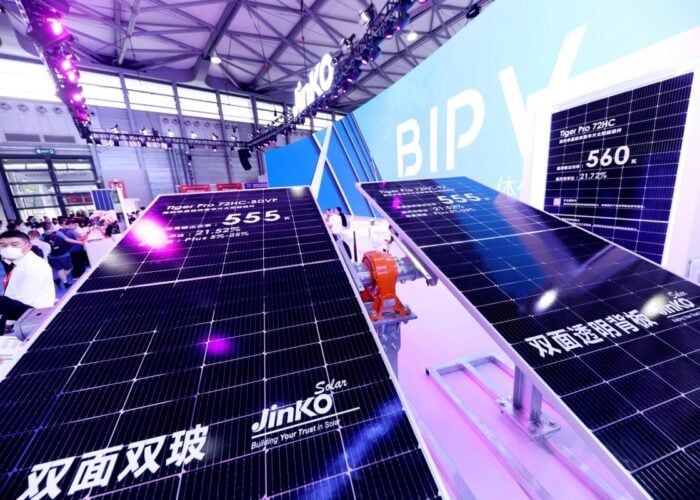
Reporting its Q1 2021 results last week, JinkoSolar provided a snapshot of the pressures solar module manufacturers have faced in the opening exchanges of the year by way of spiralling material and freight costs. Liam Stoker analyses how the company has responded, laying the groundwork for a return to normality towards the end of the year.
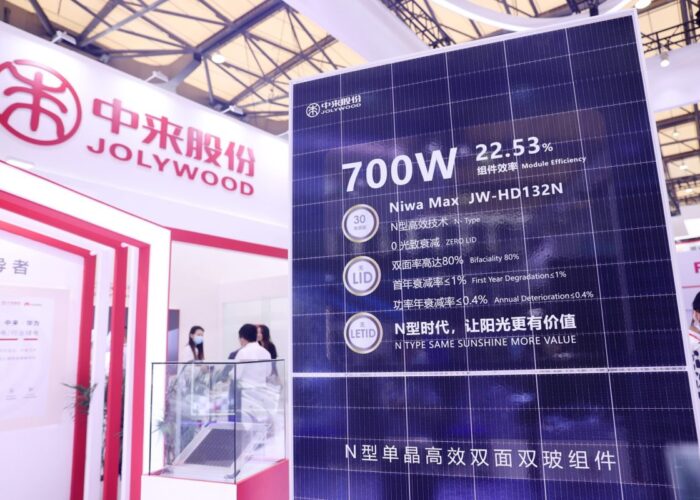
Jolywood is expecting to face stiff competition from other module manufacturers in the n-type solar field, predicting a major manufacturing ramp and investment over the next two years.
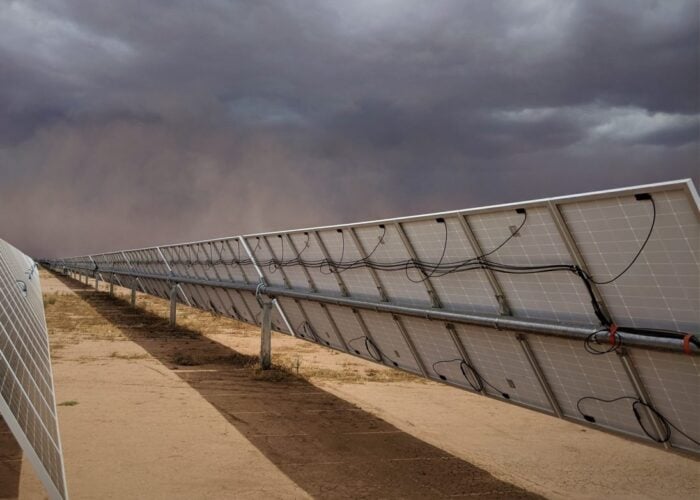
With extreme weather events becoming increasingly common, Molly Lempriere takes a look at how to ensure a solar installation is prepared to manage wind, hail, heat and anything else nature has in store.
Yesterday the US government ended months of speculation by enacting a withhold and release order (WRO) on solar imports to the US linked to specific polysilicon providers in China suspected of having used forced labour. Liam Stoker analyses what we know so far and, crucially, what the industry still needs to know before it can proceed.
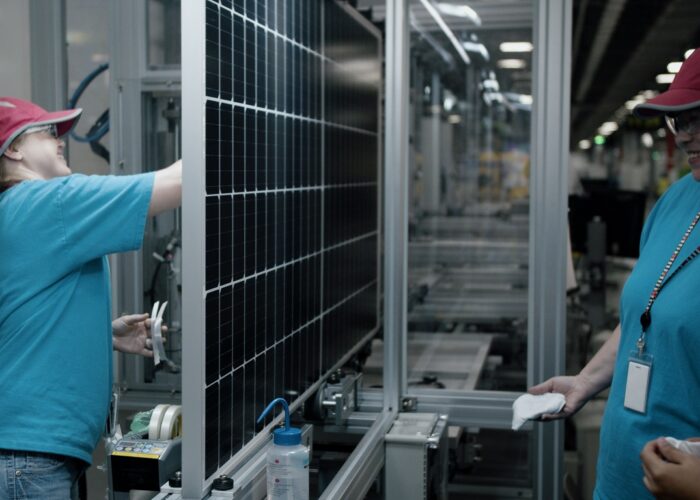
US-based solar manufacturers have enthusiastically backed proposed tax credits that they say could enable the country to meet its PV equipment demands domestically while creating tens of thousands of new jobs.
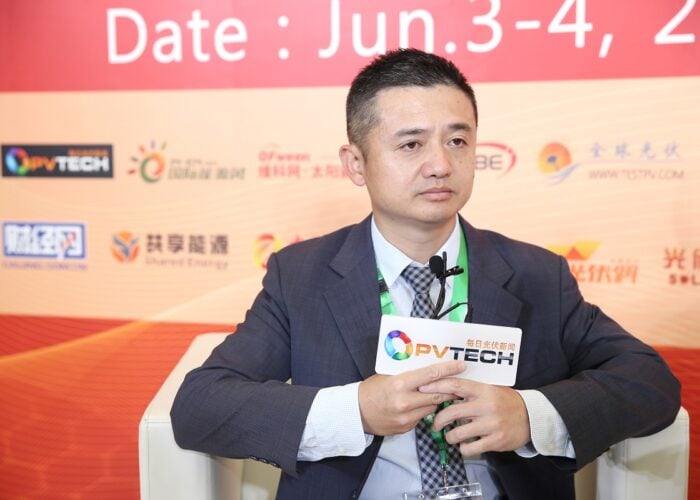
Amidst surging materials costs, the solar industry needs to avoid any “gaming” on price between upstream and downstream sectors as it could be “very dangerous for both sides”. Leo Xiang, general manager at Jiang Tai Insurance Brokers’ energy department, speaks to PV Tech about the potential remedies to the situation.