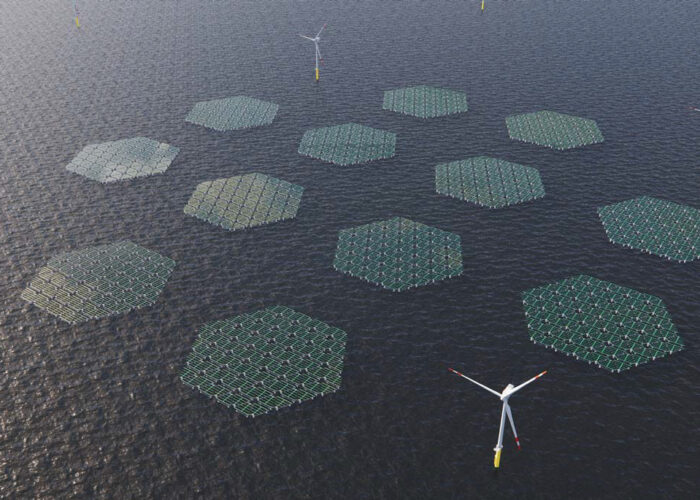
Building on the successes of floating PV projects installed on lakes and dams globally, offshore installations are an emerging opportunity for developers, potentially when co-located with wind farms. George Heynes explores how the industry can move beyond pilot projects to large-scale, commercially viable installations, detailing the challenges and opportunities ahead.
Renewables deployment in the US is at risk of stalling unless distributed interconnection policies are improved to make them more efficient. Fortunately, there are a host of well-developed solutions for many of the major interconnection challenges being seen in the country today, writes Gwen Brown of the Interstate Renewable Energy Council.
Scores of new green hydrogen projects have been announced in the Middle East and North Africa in recent months, as countries look to take advantage of high levels of irradiation and available space to deploy renewables. Jonathan Tourino Jacobo explores the challenges and opportunities for the region’s burgeoning green hydrogen sector.
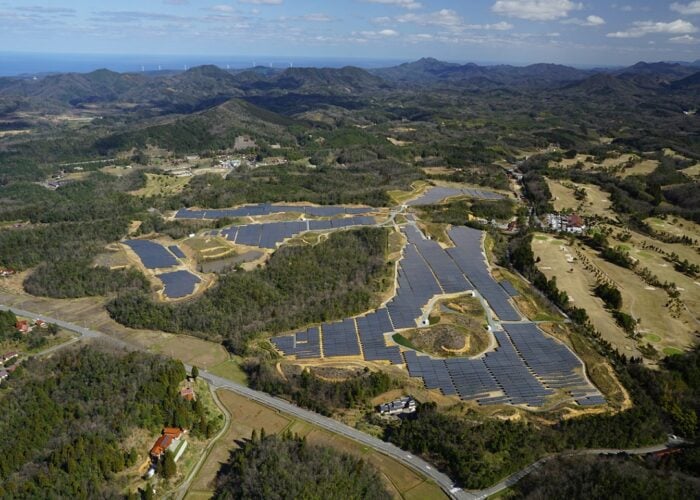
While solar has been the backbone of Japan’s renewable energy push, deployment has been stalling in recent years. Chris Wilkinson of Rystad Energy details the benefits of the country’s feed-in premium scheme, the potential for corporate PPAs and the importance of battery storage.
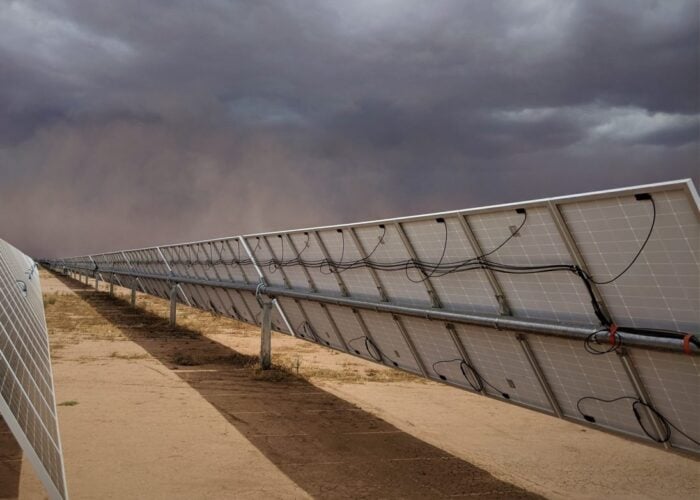
A combination of supply chain disruptions and extreme weather events that damage operational assets can lead to extended solar project downtimes. Rosa van Reyk, a senior underwriter at GCube Insurance, explores how the industry can ease supply chain pressure by rethinking cost efficiency and increased collaboration between developers and insurers.
Innovative power purchase agreement structures enable solar asset owners to boost returns and leverage their positions while providing offtakers with the opportunity to protect against increasing electricity prices and enhance their decarbonisation efforts.
Building on the successes of floating PV projects installed on lakes and dams globally, offshore installations are an emerging opportunity for developers, potentially when co-located with wind farms. George Heynes explores how the industry can move beyond pilot projects to large-scale, commercially viable installations, detailing the challenges and opportunities ahead.
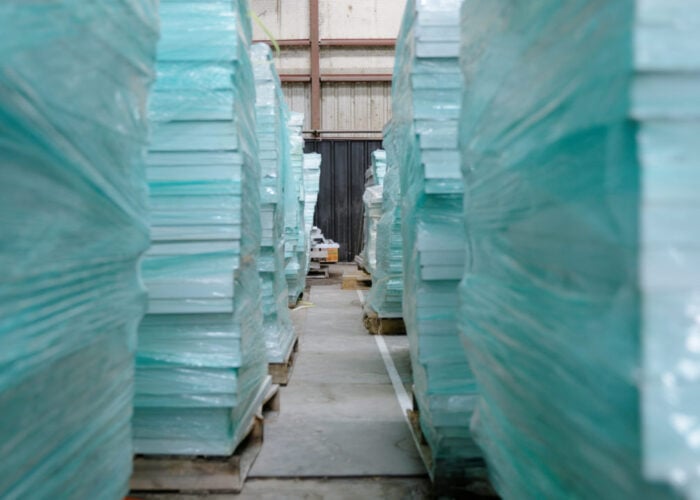
On April 12, the Silicon Industry Branch announced the latest solar-grade polysilicon prices, which were between RMB190-200/kg on average, with the lowest price set at RMB180/kg (US$26.2/kg).
As the PV industry reckons with its social and environmental impact and the byproducts of its processes, beyond the near-term questions over provenance and manufacturing ethics, concerns at the horizon of a module’s lifespan are coming more and more into focus.