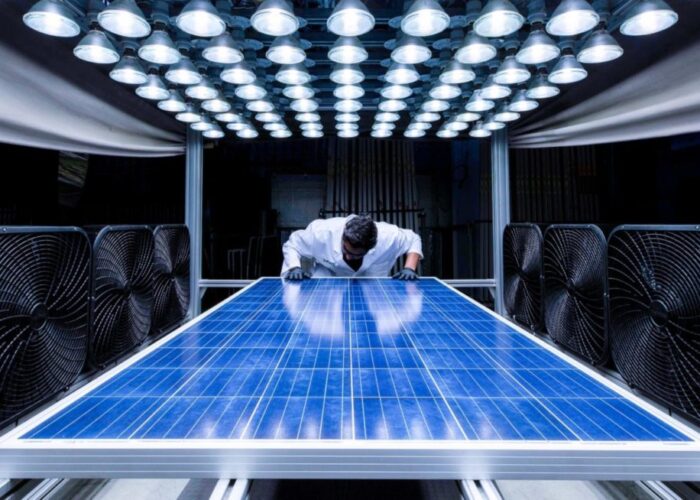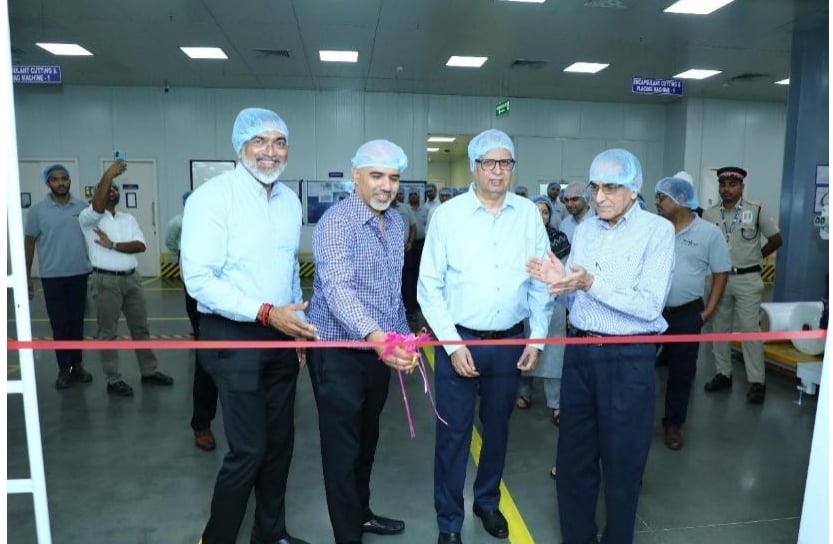
Indian PV encapsulant and backsheet manufacturer RenewSys has commissioned a 3GW solar module manufacturing facility in Raigad, Maharashtra.
According to the company, the AI-powered, fully automated facility spans 16 acres and increases its total manufacturing capacity to 5.6GW. The plant will reportedly produce tunnel oxide passivated contact (TOPCon) modules, although the company did not respond to PV Tech’s request for confirmation.
Try Premium for just $1
- Full premium access for the first month at only $1
- Converts to an annual rate after 30 days unless cancelled
- Cancel anytime during the trial period
Premium Benefits
- Expert industry analysis and interviews
- Digital access to PV Tech Power journal
- Exclusive event discounts
Or get the full Premium subscription right away
Or continue reading this article for free
The facility is located at the IndoSpace Industrial Park in Khopoli, Khalapur, approximately 79km south-east of the company’s Mumbai headquarters, which the firm said would support improved supply chain efficiency.
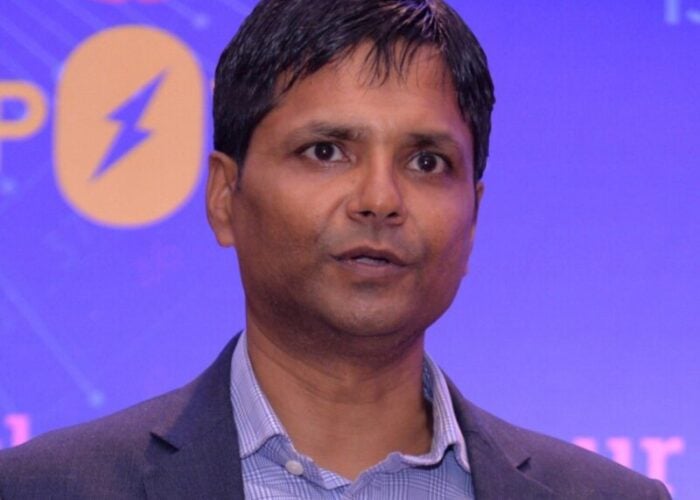
“The inauguration of our 3GW facility marks a major milestone in RenewSys’ expansion strategy. As India accelerates its renewable energy transition, technology-led manufacturing capability becomes increasingly important,” said Avinash Hiranandani, managing director, RenewSys.
RenewSys, the renewable energy arm of ENPEE Group, operates manufacturing facilities in Hyderabad, Patalganga and Bengaluru. The company has a production capacity of 24GW for solar encapsulants and 4GW for backsheets, while a 4.5GW solar cell line is currently under construction.
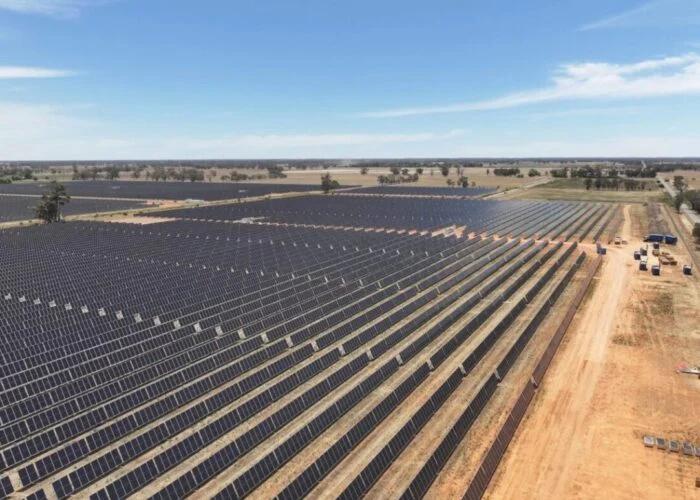
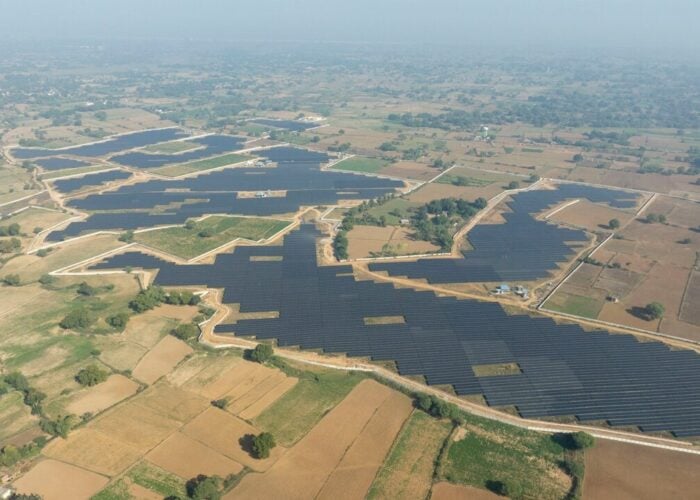
RenewSys recently signed a module supply agreement with French utility Engie for 125MWp of TOPCon solar PV modules, with deliveries scheduled between February and April 2026 for deployment at a project in Bikaner.
Under the agreement, RenewSys will supply its 132X G12R TOPCon glass-to-glass modules, designed for high efficiency and strong performance in high-temperature conditions. The modules feature a low temperature coefficient, reducing power loss at elevated temperatures and supporting stable generation over the project lifecycle.