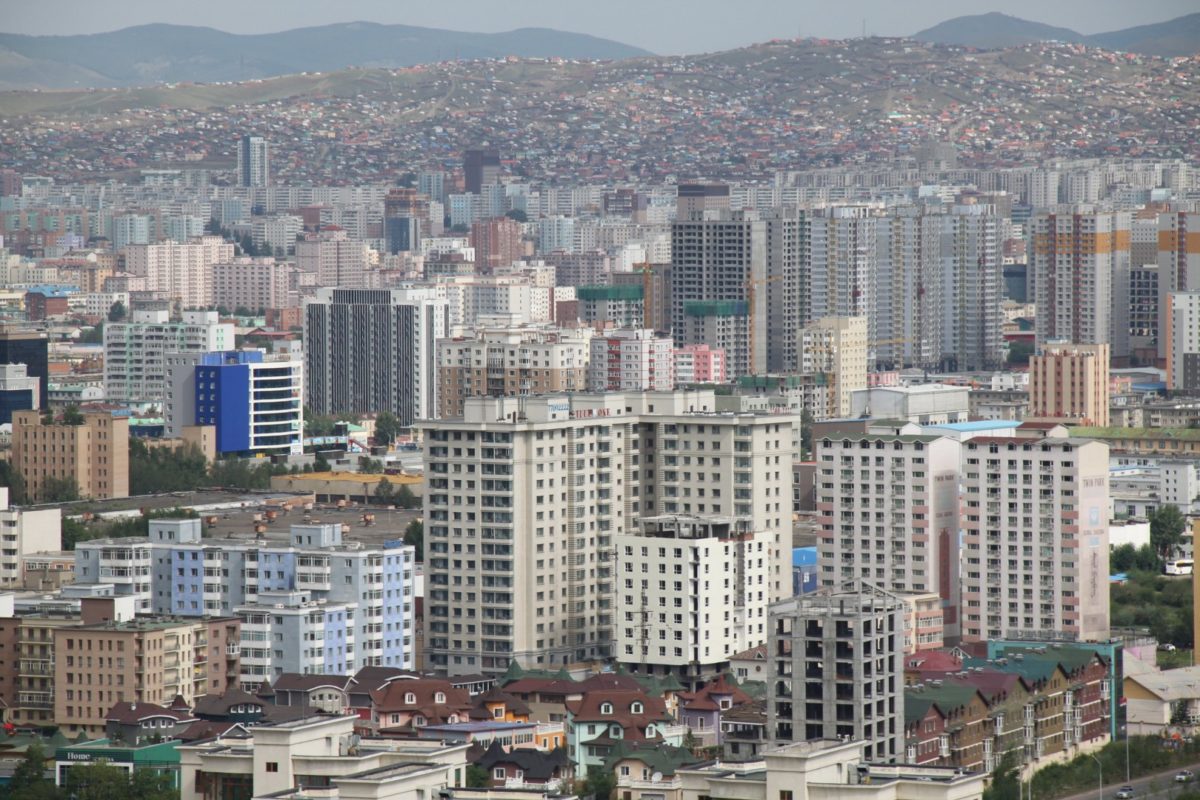
Mongolia capital Ulaanbaatar and its upcoming new airport will be partly powered by a PV plant, developed with financial support from Japan.
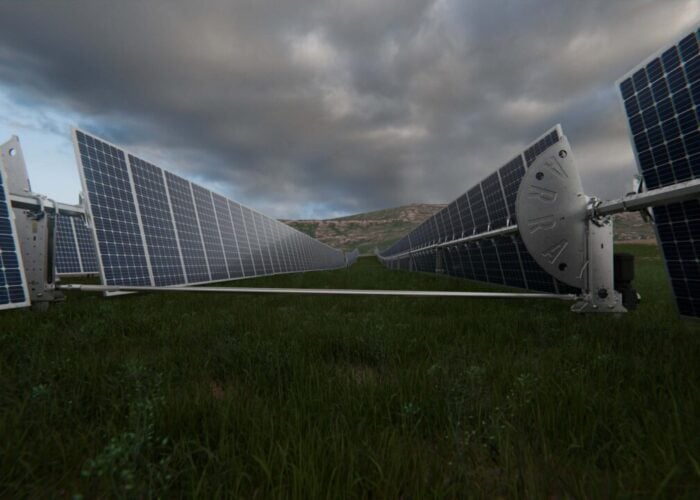
Japanese group Sharp said this week its 16.4MW solar project in Khushight Khundii, in Mongolia’s Tuv Province, has wrapped up construction and will start operating shortly.
Try Premium for just $1
- Full premium access for the first month at only $1
- Converts to an annual rate after 30 days unless cancelled
- Cancel anytime during the trial period
Premium Benefits
- Expert industry analysis and interviews
- Digital access to PV Tech Power journal
- Exclusive event discounts
Or get the full Premium subscription right away
Or continue reading this article for free
The installation will supply 23.1GWh per year to the national grid, which powers Ulaanbaatar city and a new national airport that is scheduled to complete this year.
The plant, representing 18,000-plus tonnes in CO2 savings, was built with support from the Japanese government.
Under its JCM scheme, Japan financed a large share of construction and will purchase credits to meet its own greenhouse gas reduction goals.
For their part, the Asian Development Bank and associated entities provided US$18.7 million in funding to the project, linked to a nearby substation via a transmission line.
Sharp delivered the 16.4MW plant alongside Thailand’s Sermsang Power Corporation – its partner for recent Vietnamese projects – and Tenuun Gerel Construction, a local firm.
The Khushight Khundii project follows Sharp’s completion last year of a PV plant, also boasting 16.5 MW of capacity, in the southern desert province of Dornogovi.
The firm was also behind a 10MW project announced in 2016 northwest of Ulaanbaatar, described at the time as Mongolia’s first utility-scale PV scheme.
The country, the world’s most sparsely populated, is progressing towards a 30% renewable target share by 2030 as it works to power fast-growing Ulaanbaatar and other areas.