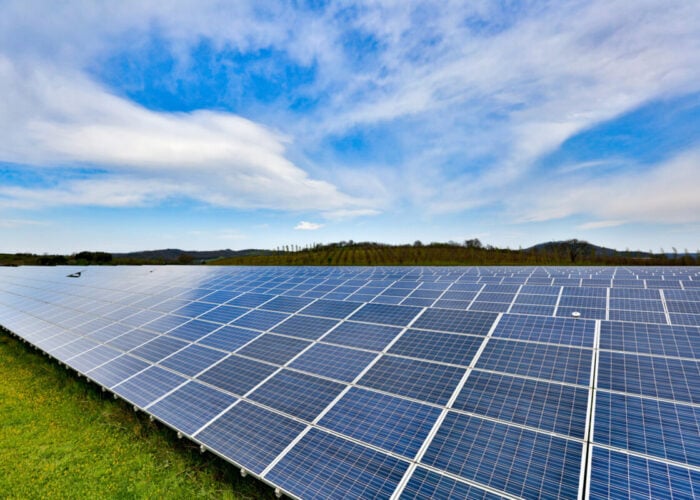
This evening’s solar eclipse will cut Europe’s effective solar PV capacity by 9.7GW as the moon blocks out the sun for around two hours, according to the European Network of Transmission System Operators for Electricity (ENTSO-E).
ENTSO-E said that it expects Spain and Germany to experience the “highest impact” of the eclipse, due to a combination of large operational solar portfolios in these countries that will be affected by the eclipse, and the expected placement of the shadows created by the moon.
Try Premium for just $1
- Full premium access for the first month at only $1
- Converts to an annual rate after 30 days unless cancelled
- Cancel anytime during the trial period
Premium Benefits
- Expert industry analysis and interviews
- Digital access to PV Tech Power journal
- Exclusive event discounts
Or get the full Premium subscription right away
Or continue reading this article for free
For instance, three cities in Spain—León in the north, Zaragoza in the north-east and Valencia on the east coast—are expected to experience a total eclipse at 8:28pm, 8:29pm and 8:32pm local time, respectively. This compares to the UK, which, according to the BBC, is expected to see 90% of the sun obscured.
Red Eléctrica, the grid operator in Spain and Portugal, expects these total eclipses to drive a 5GW reduction in generation, representing about 13% of peak demand for a “typical” Wednesday evening in August. It noted that the eclipse “ss not expected to compromise demand coverage”, but the grid operator announced that it would implement “preventative measures” to ensure it can continue to meet the electricity demand of its customers, which includes coordination with other European transmission system operators (TSOs).
“Thanks to well-established coordination mechanisms and proactive preparations, ENTSO-E and Europe’s TSOs are ready to ensure the secure and stable operation of the electricity system throughout the event,” said ENTSO-E, suggesting that cross-border collaboration between TSOs will be an essential part of managing disruptions to solar supply like the eclipse.
In the wake of the Iberian blackout last year, after which the Spanish government passed new rules to incentivise battery energy storage system (BESS) deployment to strengthen its energy grid, PV Tech Premium heard that the Spanish and Portuguese grids operate largely independently to the rest of Europe, and that better cross-border interconnection could have given the Iberian grid access to power from overseas to better respond to the blackout.
Domestic focus in the Netherlands and UK
Other grid operators have announced plans to work with domestic parties to ensure a consistent supply of power during the eclipse.
Dutch TSO TenneT expects the eclipse to have an impact of 1.3GW on the Dutch grid, and has announced plans to work with generator TTEP to provide balancing services for the market. TTEP has 13GW of generation capacity in operation across Europe, including solar, wind and biomass facilities, and TenneT said that it should not have to intervene if TTEP is able to plug gaps in the Dutch energy system during the eclipse.
Perhaps the most ominous warning about the upcoming eclipse has come in the UK, where leading national energy supplier Octopus asked customers to “use less electricity during the eclipse”, in exchange for an hour of free power, up to 16kWh, to be delivered this Sunday 16 August. Figures from Swedish renewable energy company Vattenfall, which is active in the UK market, estimate that the UK could lose 700MW-1.3GW of solar capacity during the eclipse.
Indeed, the UK’s National Energy System Operator (NESO) issued a notice today saying there would be a system shortfall of 1.2GW of power during the two-hour eclipse period. However, Jess Ralston, head of energy at the Energy and Climate Intelligence Unit (ECIU), said that the issuance of this notice is not necessarily a cause for alarm.
“NESO’s electricity margin notice is a standard tool it frequently uses to ask for more power to be available because of tighter margins—it’s a precaution that gives them some extra buffer,” said Ralston. “Today’s eclipse will mean solar power goes offline earlier than usual and coincides with peak electricity demand so having more power sources available on standby is part of running a robust grid, with the UK’s being one of the most reliable in the world while increasingly going green.”
Solar Energy UK, the country’s solar trade body, was similarly keen to stress that the eclipse will not cause a significant disruption to the UK’s power system, estimating that the UK would only lose as much as 800MW of capacity, lower than both the Vattenfall and the NESO predictions.
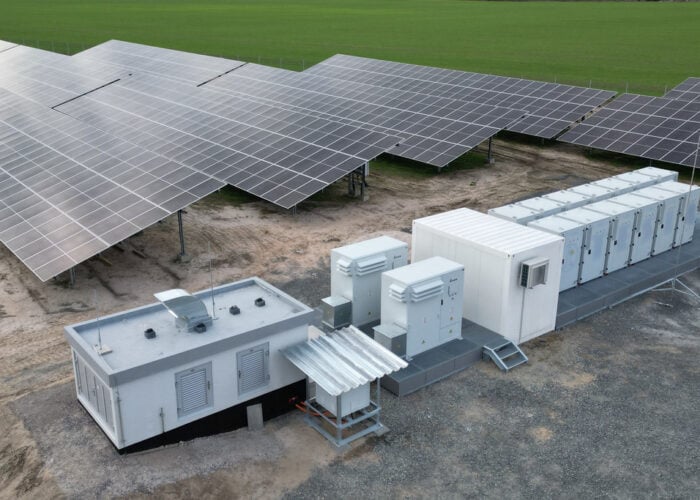
“We do not expect any undue effects on the grid from the eclipse, not least as it will happen when relatively little solar generation normally occurs,” said Solar Energy UK CEO Chris Hewett. “Battery energy storage will no doubt play an important role in managing the grid during the time, as it does every day.”