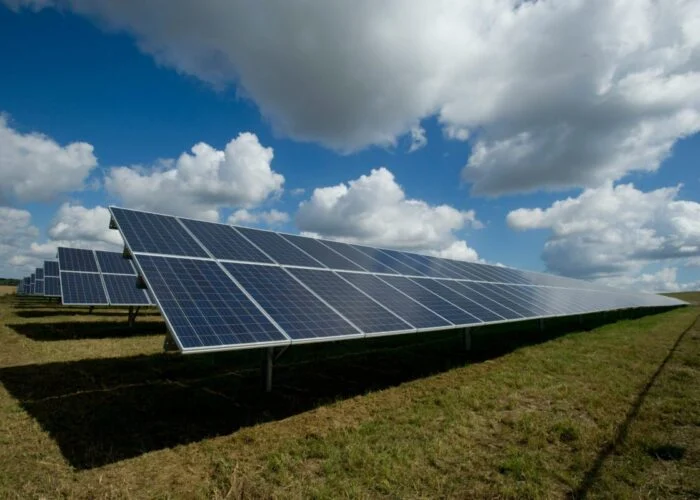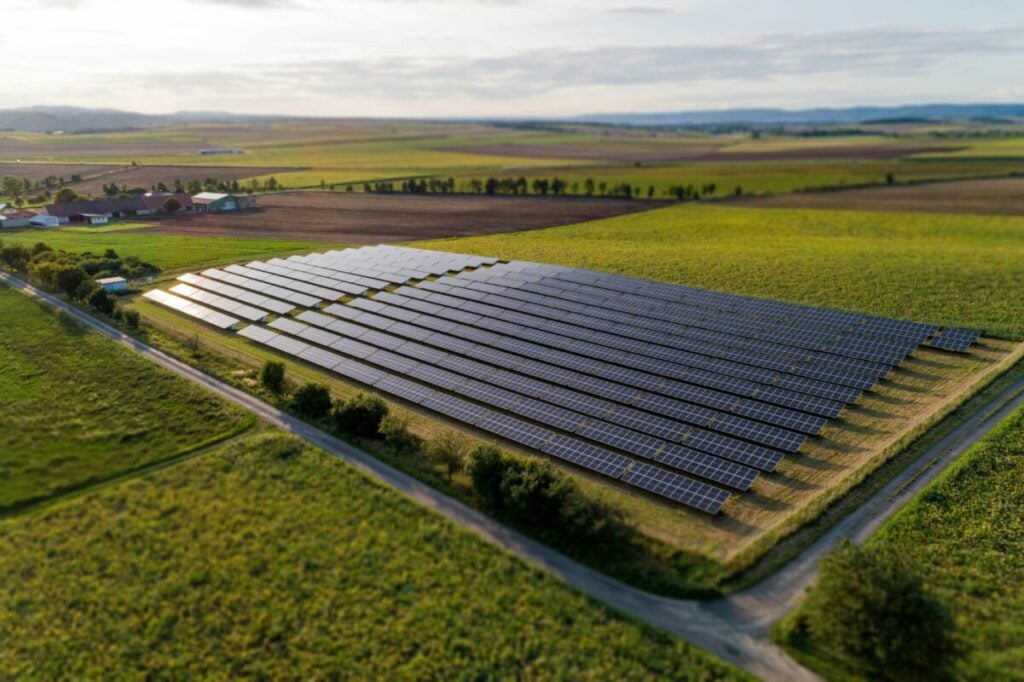
The levelised cost of electricity (LCOE) for fixed-tilt solar PV increased by 6% between 2024 and 2025, according to Bloomberg New Energy Finance (BNEF), but solar remains the cheapest source of electricity generation.
BNEF’s latest report into the LCOE of several energy generation technologies, published last month, showed the cost of fixed-tilt solar PV tick upwards to US$39/MWh in 2025. Despite this increase, solar remains the cheapest source of electricity generation, both among renewable technologies and fossil fuels; the cost of solar is less than half of the US$102/MWh reported for combined cycle gas turbine (CCGT) and less than one-fifth of the US$258/MWh reported for conventional nuclear power.
Try Premium for just $1
- Full premium access for the first month at only $1
- Converts to an annual rate after 30 days unless cancelled
- Cancel anytime during the trial period
Premium Benefits
- Expert industry analysis and interviews
- Digital access to PV Tech Power journal
- Exclusive event discounts
Or get the full Premium subscription right away
Or continue reading this article for free
The low cost of fixed-tilt solar compares to US$40/MWh and US$100/MWh for onshore and offshore wind, respectively, both of which saw LCOE increase between 2024 and 2025, suggesting that the cost of producing power increased in general over the course of last year.
“Costs of capital have been rising in many markets generally,” explained BNEF solar analyst Jenny Chase, who spoke to PV Tech Premium last week. However, Chase noted that here have been market forces affecting the solar industry in particular, such as “power price cannibalisation and curtailment”, which are “increasing risks for solar”.
“In Europe for example, the long-term interest rates that matter most for renewable project finance did not fall as much as policy rates last year, meaning that securing debt to build wind and solar farms remained costly,” she explained. “While the European Central Bank (ECB) cut its deposit rate significantly, ten-year and 20-year Euro swap rates increased over the same period.”
These market forces mean that BNEF’s assessment of solar LCOE in 2025 was slightly less optimistic than its initial 2025 forecasts, which expected solar LCOE to fall to US$35/MWh by the end of the year. This trend is true across all four technology types profiled in this and last year’s reporting. BNEF’s latest LCOE forecasts are available in full in the graph below.
However, Chase was relatively optimistic that the uptick in prices in 2025 would not lead to a more long-term increase in the cost of renewable electricity generation, in part because the decline in solar LCOE has been so strong for so many years. BNEF’s figures show that solar LCOE has fallen by 97% between 2010 and 2025, the sharpest decline of any technology, just ahead of a 93% fall in the LCOE of battery energy storage systems (BESS) over the same period.
She went as far as to say the increase in LCOE in 2025 “doesn’t really matter”, as the long-term economics of solar power remain strong.
When asked about trends in Chinese module pricing, which have climbed in the first half of this year, she argued that these trends would only affect Chinese module manufacturers, and that “module prices are no longer a major driving factor of LCOE”.
“Yes, the uptick [in LCOE] is anomalous, but if you track a market for a long time, sometimes it goes up,” she explained. “We don’t think the changes in China are short term—globally, curtailment and cannibalisation are not going away, and governments will be seeking to make power plants trade more smartly.
“Solar is as cheap as anything,” she continued. “The reasons the market is slowing a little is because of power price cannibalisation and curtailment, which is happening because the industry got big.” In fact, Chase said BNEF forecasts that 2026 will be the first year that the industry builds fewer new solar projects than the previous year.
‘A world-changing megatrend’
The most notable anomaly in the latest BNEF report is that the LCOE of BESS has continued to fall, unlike solar and wind. Using 4-hour standalone battery projects as the benchmark for their figures, BNEF reported that the LCOE of BESS fell by 27% between 2024 and 2025.
Indeed, the US$78/MWh reported for BESS LCOE in 2025 is even lower than the US$93/MWh BNEF expected in its 2025 forecast.
Looking ahead, BNEF expects the LCOE of batteries to fall to just US$58/MWh by 2035, which would make batteries cheaper than offshore wind, and mean the cost of batteries will have almost halved in just over a decade. While batteries are still expected to be more expensive than onshore wind and solar PV by 2035, the rate of decline in LCOE is significant.
“Batteries feels like they’re roughly where solar was ten years ago in terms of pre-cannibalisation uptake,” explained Chase, suggesting that batteries are in a higher-growth phase than the other technologies profiled by BNEF. “Like solar, they’re a commodity product with relatively modest barriers to entry, so it’s difficult to maintain high profits in manufacturing long-term. And they are also viciously competitive.”
However, she described the combination of solar and batteries as “a world-changing megatrend”, in no small part because the two technologies are naturally complimentary. At this year’s Energy Storage Summit, hosted by Solar Media in London last week, speakers discussed the role that batteries can play in providing revenue certainty when power prices in Europe are uncertain. Our colleagues at Energy-Storage.news covered both days of the event in detail through a series of blog posts, which can be read here and here.
Indeed, the BNEF report argues that the “rapid solar buildout globally” is “creating more frequent and attractive charging opportunities for batteries”, suggesting that the growth of both technologies will benefit both solar and storage.