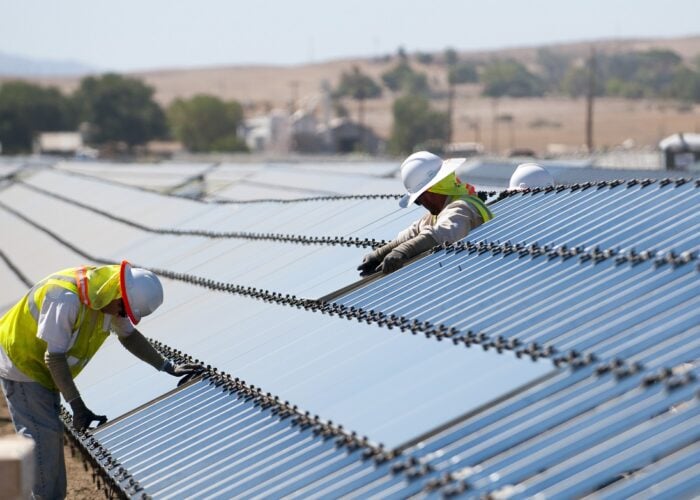
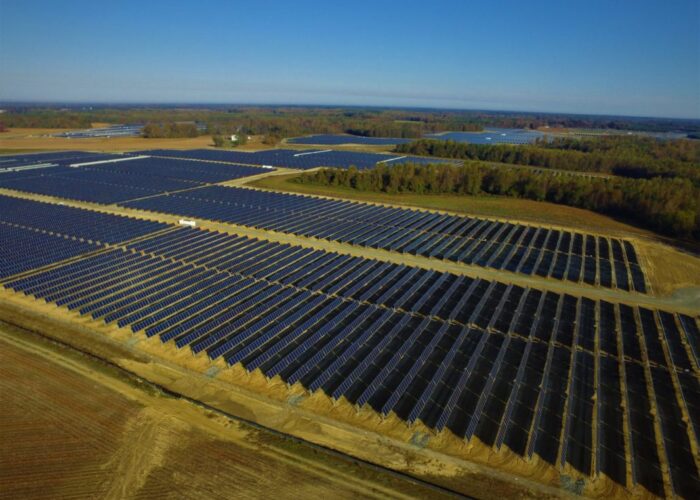
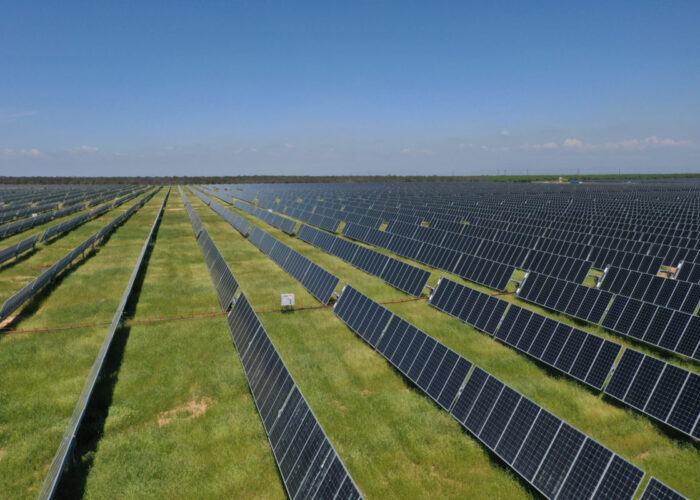
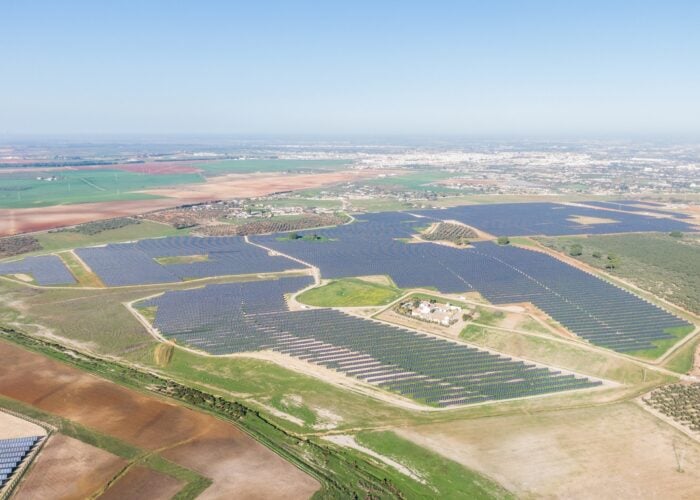
US developer Leeward Renewable Energy (LRE) has started construction on the 200MW Horizon Solar project near the city of Pearsall in Frio County, Texas.
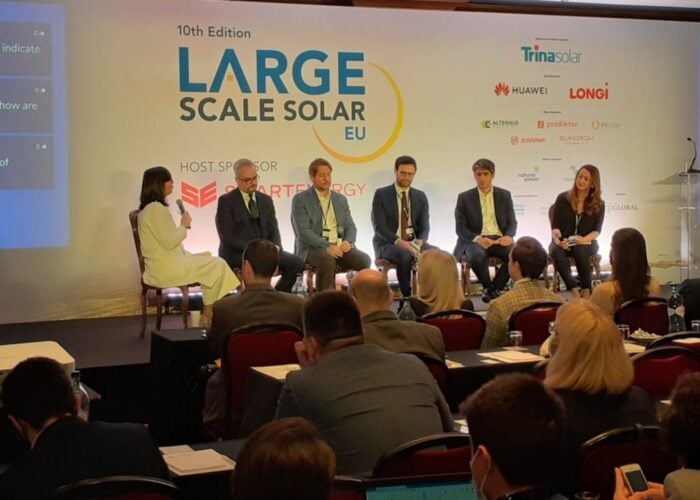
European solar developers hit by rising module costs are scrapping tariffs secured in auctions and are instead looking to sign power purchase agreements (PPA), according to a speaker at today’s Large Scale Solar event.
Liam Stoker reflects on the opening day of Solar Finance & Investment Europe 2022, where investors and developers alike warned of looming inflation, power price volatility and project availability as Europe’s energy landscape enters a new paradigm.
Global energy company AES added more than 2GW of renewables and energy storage to its portfolio last year as the business formally confirmed its intent to exit coal generation by 2025.
PV Tech Premium sat down with Pexapark's head of quantitative products following the release of the advisory firm's European PPA Market Outlook 2022 report that predicted “fundamental changes” to European PPA markets.
A record 31.1GW of clean energy was bought by corporations through power purchase agreements (PPAs) last year, with technology companies once again the largest buyers, according to research firm BloombergNEF (BNEF).
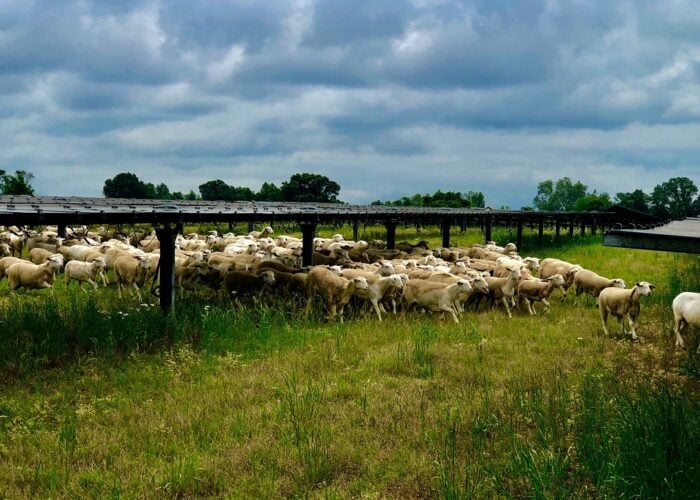
Raising more than US$1 billion in equity capital in the past year, US independent power producer (IPP) Silicon Ranch is looking to expand its model of developing, owning and operating large-scale PV plants while maintaining a strategy of co-locating projects with regenerative agriculture.
With subsidies now a distant memory in most markets, solar is increasingly finding itself deployed via government tenders and corporate PPAs. But what are the prospects for those to mature, and to what extent will merchant revenue models emerge this decade? Jules Scully reports.
Corporations in the US are being urged to increase their adoption of renewables after a survey of businesses found appetite to do so, but warned that several organisational barriers remain.
Merchant solar and projects backed by power purchase agreements (PPAs) drove ground-mounted PV deployment in Spain last year, as the country installed its second-highest yearly amount of 2.8GWp, new figures from trade association UNEF reveal.