The UK’s electricity system operator is seeking emergency powers to disconnect embedded generation, including residential solar, fearing tumbling demand this bank holiday weekend could spark national blackouts.
National Grid ESO, the company tasked with managing the country’s electricity system, raised an urgent Grid Code modification seeking the powers last week (30 April 2020).
Try Premium for just $1
- Full premium access for the first month at only $1
- Converts to an annual rate after 30 days unless cancelled
- Cancel anytime during the trial period
Premium Benefits
- Expert industry analysis and interviews
- Digital access to PV Tech Power journal
- Exclusive event discounts
Or get the full Premium subscription right away
Or continue reading this article for free
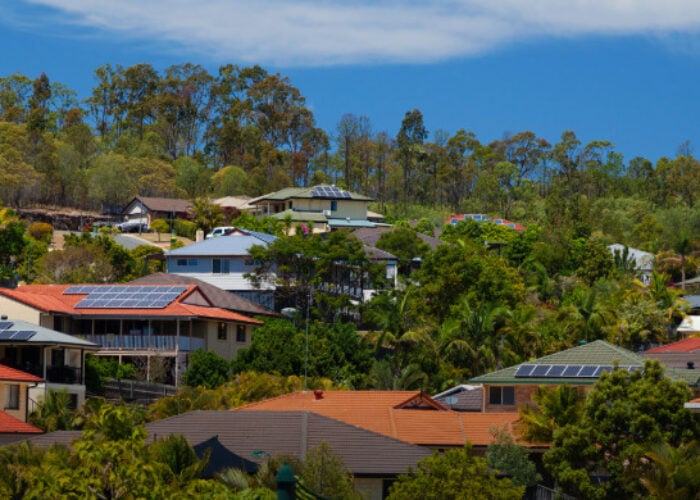
If granted, those powers would allow the ESO to instruct distribution network operators (DNOs) to disconnect any form of generation connected to the distribution network, including almost all of the UK’s solar PV capacity.
The ESO said the modification was necessary as a result of challenges posed by a significant drop in demand associated with the effects of the COVID-19 lockdown. Demand has dropped by around 20% on previous forecasts, posing major challenges in relation to balancing the country’s grids.
While the measures are described by National Grid ESO as a last resort, should they be called upon any embedded generators that are curtailed will not be compensated for their loss of output.
National Grid ESO is seeking the powers to come into force on 7 May 2020, in time for them to be called upon if necessary the following day. That day, a bank holiday for the UK and much of Europe, could see especially low demand and, as a result, “significant operational risk”.
More detail on this story and the code changes raised by National Grid ESO can be read on our sister title Current± here.
PV Tech has set up a dedicated tracker to map out how the COVID-19 pandemic is disrupting solar supply chains worldwide. You can read the latest updates here.
If you have a COVID-19 statement to share or a story on how the pandemic is disrupting a solar business anywhere in the world, do get in touch at [email protected] or [email protected].