The US department of energy is more than half way toward the final target of its cost cutting programme for solar energy.
The SunShot Initiative aims to make solar cost competitive by 2020 through a combination of technology advances and finding new business efficiencies.
“I'm really excited because I just reported this to the executve branch, all the way up to the White House. The SunShot Inititative is 60% of the way towards the 2020 target,” Minh Le, director of the SunShot programme told PV Tech.
“We are three years into a ten year mission. So we are 30% of the way through the time and 60% of the way there and going twice as fast as we need to. I would attach a caveat to that because the first half is always the easiest, that's the low hanging fruit. The second half will be really hard,
“The costs have come down dramatically. Utility-scale solar is less than US$2/Watt. When we started in 2011 our 2010 benchmark was US$3.80/Watt, so it has come down by half. The price of utility-scale solar has halved compared to what it was two years ago. Our goal is US$1/Watt so we really only have one more dollar to go but it will be the hardest dollar to get,” said Le.
The programme launched a US$12 million tranche of funding to help cut red tape in the industry. So-called soft costs from finance, permitting, marketing and so on, account for more than half of overall costs in the US as they failed to keep pace with the rapidly falling cost of technology. The department of energy has funded half of the world's cell efficiency records in the past 35 years and Le believes there is still scope for that crucial final dollar of savings to come from both hardware and soft costs.
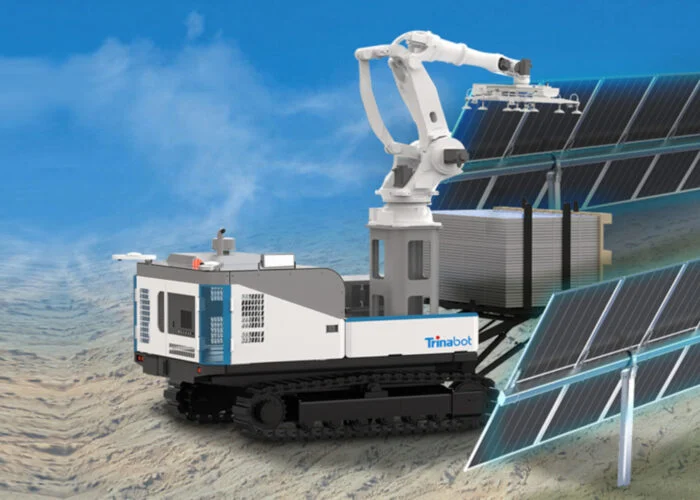
“There's no magic bullet, it will have to come from innovation across the value chain. We still need innovation in hardware, not just the modules where there are still clearly exciting opportunities in improving the efficiency of cells. There are other opportunities elsewhere and many of these can be exported. Our incubator is funding one company called Brittmore that is automating the installation of panels in the field, QBotix is using robots to do two-axis tracking. This is already being exported elsewhere in the world. There are soft cost opportunities too in customer acquisition and finance,” added Le.
This article requires Premium SubscriptionBasic (FREE) Subscription
Already a subscriber? Sign In
Try Premium for just $1
- Full premium access for the first month at only $1
- Converts to an annual rate after 30 days unless cancelled
- Cancel anytime during the trial period
Premium Benefits
- Expert industry analysis and interviews
- Digital access to PV Tech Power journal
- Exclusive event discounts