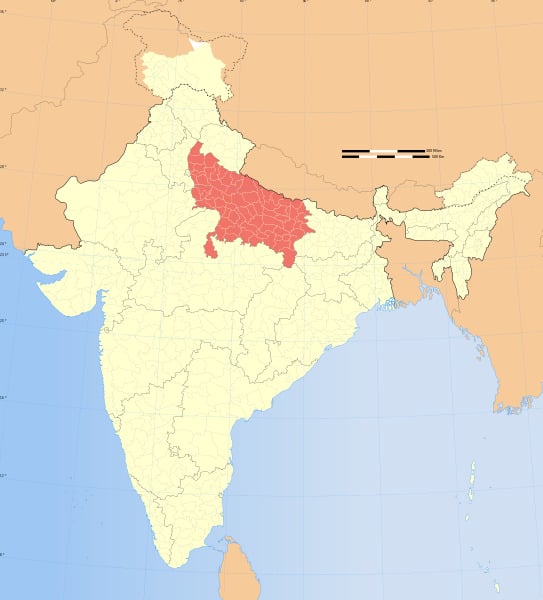
The Indian state of Uttar Pradesh is targeting 10.7GW of solar power by 2022, with 4.3GW from rooftop, under its draft 'Solar Power Policy 2017’.
The Uttar Pradesh New and Renewable Energy Development Agency (UPNEDA) released the five-year draft, which is now open to comments before being approved.
Try Premium for just $1
- Full premium access for the first month at only $1
- Converts to an annual rate after 30 days unless cancelled
- Cancel anytime during the trial period
Premium Benefits
- Expert industry analysis and interviews
- Digital access to PV Tech Power journal
- Exclusive event discounts
Or get the full Premium subscription right away
Or continue reading this article for free
The policy also comes fresh off the heels of Indian energy minister Piyush Goyal challenging Germany and the city of Munich to a race with the ancient holy city of Varanasi, in Uttar Pradesh, to become the first large city in the world to be 100% powered by clean energy.
The draft policy also has an off-grid focus on solar street lights, solar powered agricultural pump sets and other relevant products.
The state also has a Renewable Purchase Obligation (RPO) target, a mandate from the central government, of 8% by 2022.
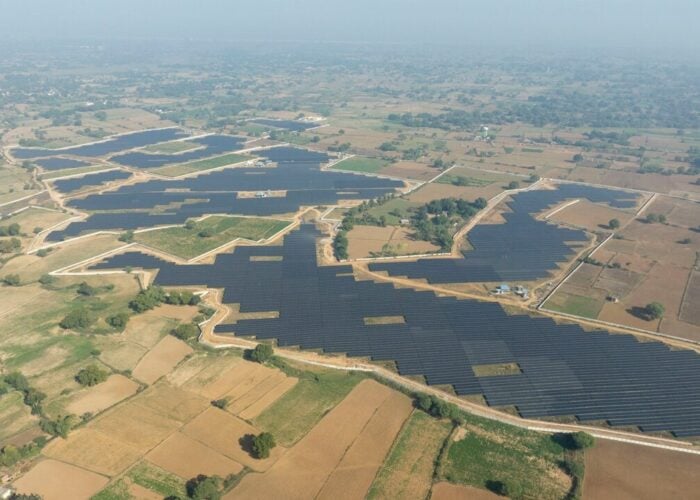
The draft looks to promote solar parks specifically on waste land. Solar parks are to have a minimum of 100MW capacity. Solar parks will be managed by a JV between UPNEDA and Solar Energy Corporation of India (SECI).
Other standalone projects, to be won through competitive bidding only, will have a minimum 5MW capacity. The state government will cover one-third of the cost of the transmission line for such projects up to a maximum of 15 kilometres in the Bundelkhand and Purvanchal region.
The government will offer INR10,000-20,0000/kW (US$155-310) net-metering rates to large-scale grid-connected rooftop projects in private residences for the first 100MW submitted online. The overall Indian rooftop sector also received a double policy boon from the centre in the last month.
The draft stated: “The nodal agency will undertake single window clearance for all Solar Power Producers.
“Electricity duty for 10 years shall be exempted for sale to Distribution licensee, captive consumption and third party sale in respect of all solar projects set up within the state.”