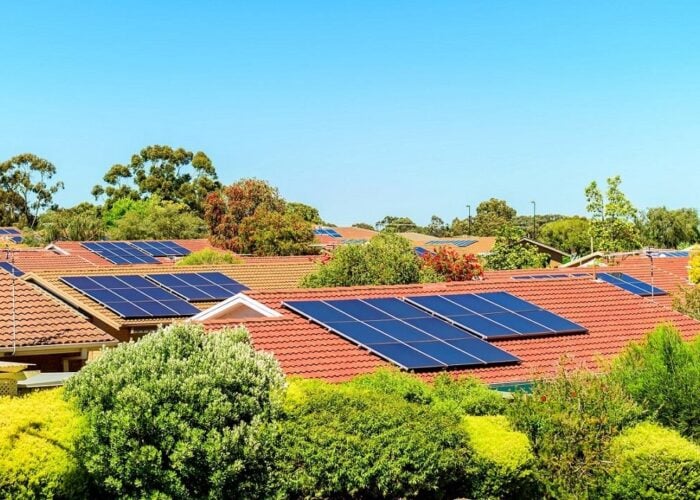
The New South Wales legislation for a gross solar feed in tariff has now been officially passed. This move means that the NSW Solar Bonus Scheme’s feed-in tariff is now one of the most generous in Australia, reports Energy Matters, provider of solar power solutions in the country.
Back in early November, the Rees Government decided against a net FiT system, which would have only paid a premium rate on surplus electricity generated and exported to the mains grid by a home solar power system. The gross model will instead pay AUS$0.60/kWh (€0.368711) for all energy generated. This FiT amount is not only one of the most generous in Australia, it is also fairly high in comparison to the rates in Europe.
Try Premium for just $1
- Full premium access for the first month at only $1
- Converts to an annual rate after 30 days unless cancelled
- Cancel anytime during the trial period
Premium Benefits
- Expert industry analysis and interviews
- Digital access to PV Tech Power journal
- Exclusive event discounts
Or get the full Premium subscription right away
Or continue reading this article for free
Max Sylvester of Energy Matters says that this move will stimulate a significant increase in the amount of installations in NSW. “We were already seeing a huge uptake in interest when the Rees Government tabled their plans for a gross feed in tariff. Use of our instant online solar quoting system by New South Wales people jumped 40% overnight. The legislation passing means a great deal to not only the solar industry in the state, but also to the level of clean energy being generated in New South Wales.”
The new gross legislation will pay the full AUS$0.60/kWh for systems that are below of equal to 10kW. The program is in place for seven years, beginning on 1 January 2010 and due for review in 2012.
“The 60c per kWh means that systems installed in New South Wales under the Solar Bonus Scheme will pay for themselves in a far shorter time, after which they will generate an income for households.” said Sylvester. “Additionally, as well as the Solar Credits rebate, if people take advantage of the Federal Government’s Green Loans program which offers interest-free financing, the revenue generated by their system will in many cases meet the repayments – effectively providing them with a free solar power system.”
Minister for Energy, Climate Change and the Environment John Robertson said the scheme would triple the existing capacity of small-scale solar PV systems, bringing the state’s total up to 50MW. This would equate to approximately 33,000 NSW customers with installed solar power systems, which is more than any other state in the country.