The Wold Bank has commissioned the first of many data stations measuring renewable energy potential around the globe in an effort to open up new markets.
The US$22.5 million Renewable Energy Resource Mapping programme has commissioned its first data measurement station in Pakistan, to measure solar energy potential.
Try Premium for just $1
- Full premium access for the first month at only $1
- Converts to an annual rate after 30 days unless cancelled
- Cancel anytime during the trial period
Premium Benefits
- Expert industry analysis and interviews
- Digital access to PV Tech Power journal
- Exclusive event discounts
Or get the full Premium subscription right away
Or continue reading this article for free
The World Bank is also looking at setting up renewable energy data stations in Ethiopia, Indonesia, Lesotho, Madagascar, Malawi, Maldives, Nepal, Papua New Guinea, Tanzania, Vietnam, and Zambia.
The stations are to collect ground-based measurement data for a period of up to two years and will help to build confidence for commercial solar developers in the chosen countries.
The stations are to be open data solutions that will allow results to be accessed on a cost-free basis in near real-time. The stations take multiple readings, including solar irradiance, temperature, air pressure, and wind speed. The data is transmitted daily using a modem.
The projects are supported by the World Bank’s Energy Sector Management Assistance Program (ESMAP).
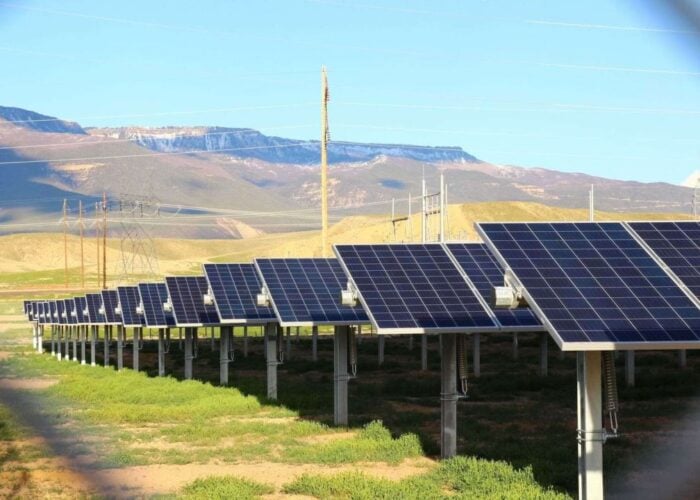
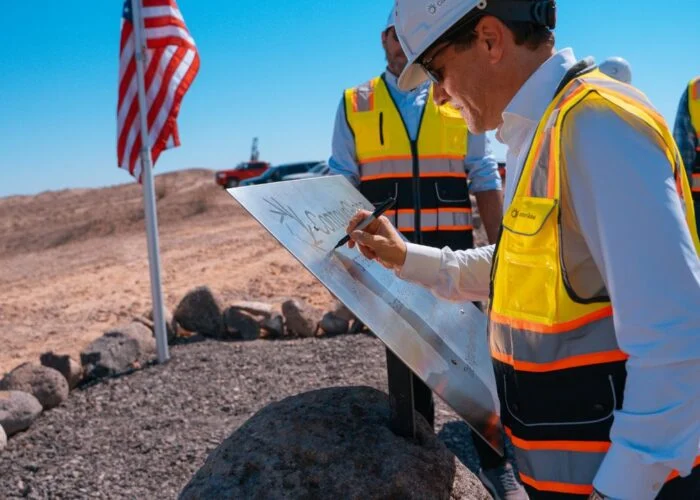
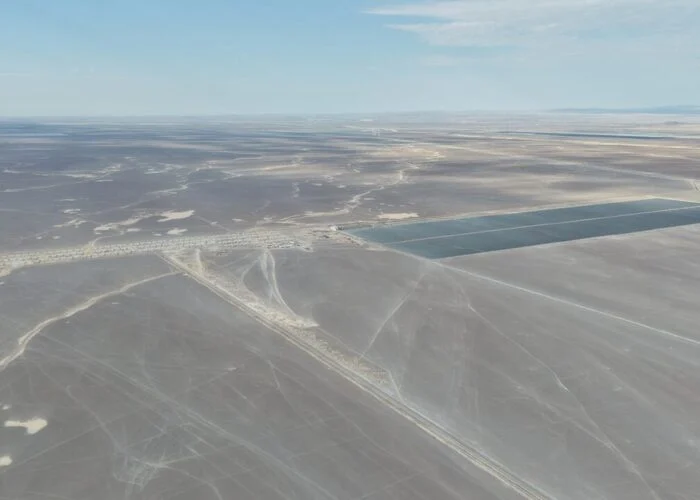
The first data station to be commissioned is at the Quaid-e-Azam Solar Park in Bahawalpur, Pakistan and was inaugurated October 2014, it is one of nine solar measuring stations planned for Pakistan.
The stations will measure Pakistan’s potential for wind, solar and biomass energy by using ground-based data collection, GIS analysis, and geospatial planning.
The stations will provide high quality resource data at a national scale, and will help produce solar and wind atlases, with a margin of error of as low as 5%, according to the bank.
The publicly available data will help governments to set tariffs and guide renewable energy development, also aiding commercial developers to carry out feasibility studies, leading to development of solar plants.
Pakistan’s Alternative Energy Development Board and the World Bank are looking to map the entire country’s renewable energy potential to increase commercial solar development.