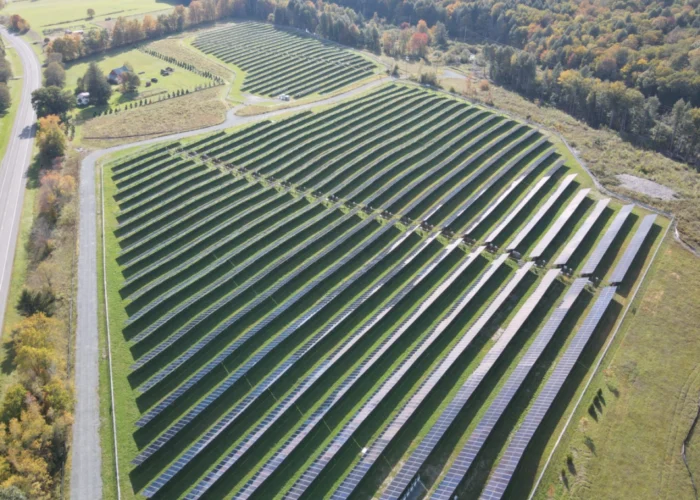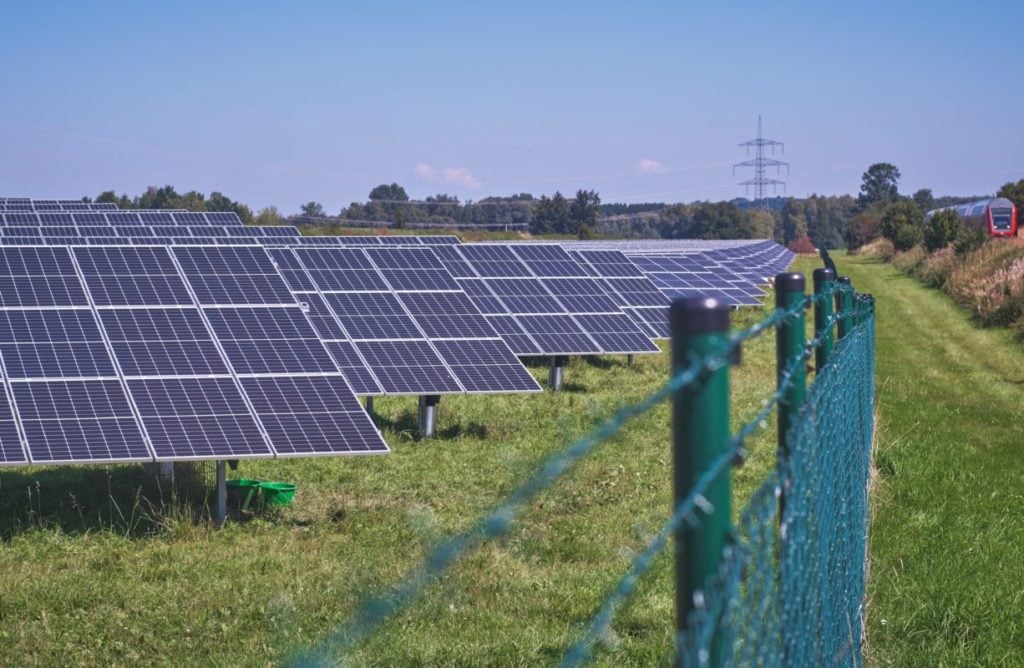
New Zealand has submitted nine solar PV projects for fast-track approval since 2020, totalling 1,147MWp in power generation capacity.
The Ministry for the Environment has submitted the projects for approval under the COVID-19 Recovery (Fast-Track Consenting) Act, and the projects will deploy nearly 2 million solar PV modules combined.
Try Premium for just $1
- Full premium access for the first month at only $1
- Converts to an annual rate after 30 days unless cancelled
- Cancel anytime during the trial period
Premium Benefits
- Expert industry analysis and interviews
- Digital access to PV Tech Power journal
- Exclusive event discounts
Or get the full Premium subscription right away
Or continue reading this article for free
Environment Minister David Parker said: “These projects can proceed faster, provided they meet the normal environmental tests as determined by expert consenting panels. If approved, the nine solar projects will add 1,147 megawatts of power to the national grid at peak output – almost three times the output of the 432 Mw Clyde Dam.”
He continued: “Fast-track was originally intended as a temporary measure, but its success means that the process will be soon become permanent. The Natural and Built Environment Bill, to be passed this term, will provide a fast-track pathway for infrastructure and regionally significant housing projects.”
The department specifically mentioned Harmony Energy Solar Ltd’s projects near Marton, Opunake and Carterton, and Energy Farms Ltd’s projects near Rangitikei and Taranaki, which were granted fast-track approvals in June, and the Rangiriri Solar Farm Project and Waerenga Solar Farm Project, which were referred for approval in April.
New Zealand has a goal of fulfilling 50% of its energy needs with renewables by 2035 and 100% by 2050.
“Solar energy helps keep household power bills lower and, like all renewable electricity development, builds resilience into our energy network,” said Energy Minister Megan Woods.
“Delivery of fast-track referral has been a key part of the Government’s strategy to accelerate economic recovery and boost jobs, while reducing emissions. If approved, these nine renewable solar projects could create up to 2,300 construction jobs.”
Last year, New Zealand-based developer Helios Energy announced a 1GW project pipeline of grid connected solar PV projects. The country’s market is still small; the government’s Energy Efficiency & Conservation Authority (EECA) forecasts that by 2035 solar PV could potentially constitute up to 6% of the country’s energy mix.