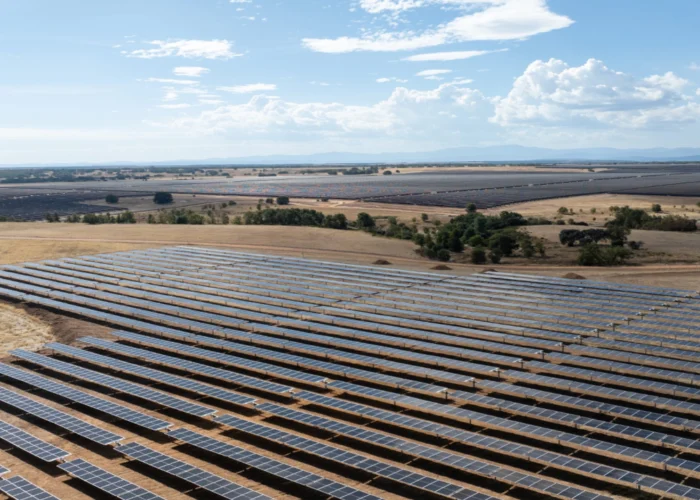
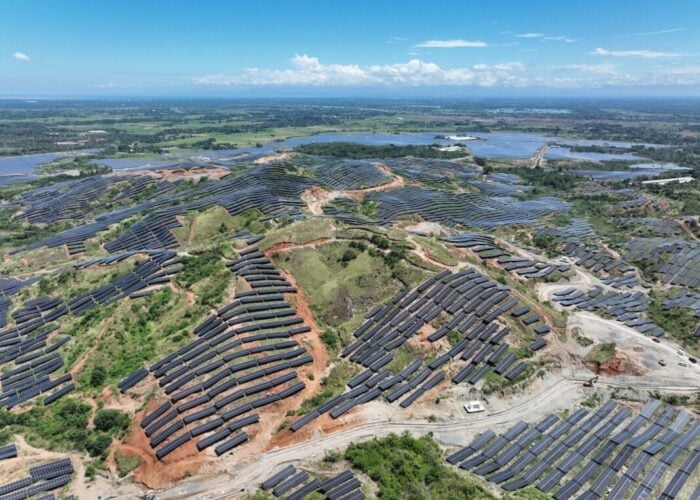
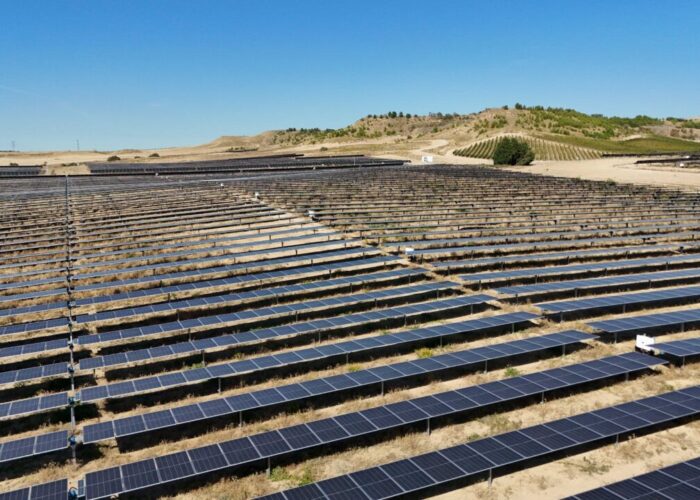
Australia’s Capital Territory (ACT) feed-in tariff has been expanded to include medium to large-scale solar projects in order to cater for larger commercial and industrial farms as well as community groups. According to the Australian Solar Energy Society, the gross feed-in tariff, which pays a premium for all solar energy generated, is now available for solar panel installations 30kW to 200kW.
The ACT’s Minister for Energy, Simon Corbell said, “This legislation is very important for two reasons; firstly to give the solar industry the certainty it needs to invest in medium and large-scale generation, and to ensure the ongoing success of the feed-in tariff scheme into the future.”
Concern was raised over fears that the expansion would eat heavily into an existing overall cap of 15MW installed capacity, which includes residential installations. However, according to the ACT Government's announcement, a separate 15MW cap has been created for medium-scale solar farms as well as a further 15MW cap for a community category.
The ACT feed-in tariff program has spurred the installation of over 3,500 home solar power systems to date; already working towards the 15MW installed capacity cap designated for microgenerator installs.
Key aspects to the amended feed-in tariff legislation include:
Try Premium for just $1
- Full premium access for the first month at only $1
- Converts to an annual rate after 30 days unless cancelled
- Cancel anytime during the trial period
Premium Benefits
- Expert industry analysis and interviews
- Digital access to PV Tech Power journal
- Exclusive event discounts
Or get the full Premium subscription right away
Or continue reading this article for free
- Re-naming the existing household component as Micro Generator;
- Creation of the Medium Generator and the Community Based Generation categories;
- Introduction of capacity caps for both new categories (15MW each);
- Provide for a mechanism by which the Premium Price applicable to each category may be set and reviewed; and
- Extend scheme eligibility to include not-for-profit community organisations.
“These amendments will enable both individuals and community organisations greater access to the scheme and a greater ability to do their part in reaching our greenhouse gas emission targets,” Corbell said.
“With these amendments, individuals occupying rental or structurally unsuitable properties will be able to more easily participate and community groups can develop co-operatives to collectively develop shared generators.
“The Government will also introduce separate legislation later this year to support the development of even larger scale facilities and will then follow this process with an auction for the first 40MW tranche.”
“The Government will monitor closely the changes in market activity, and will respond accordingly to ensure that the clean economy continues to grow in the ACT.”
No details of how much the new tariffs will pay have been revealed.