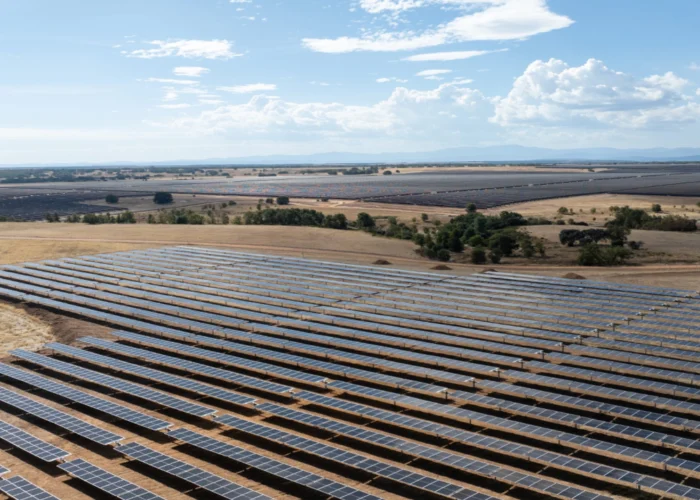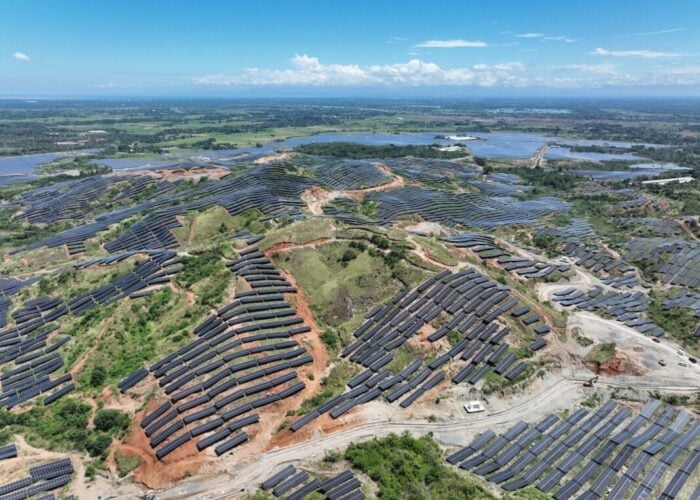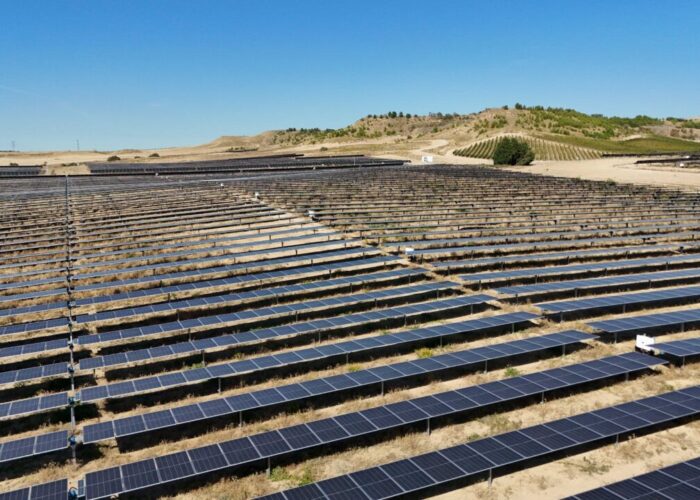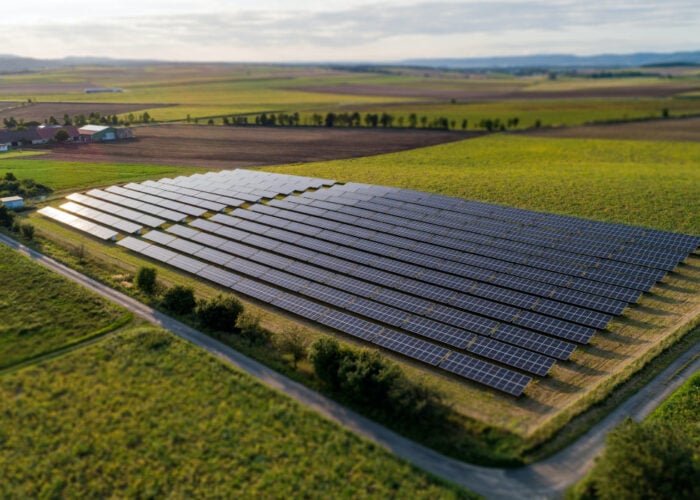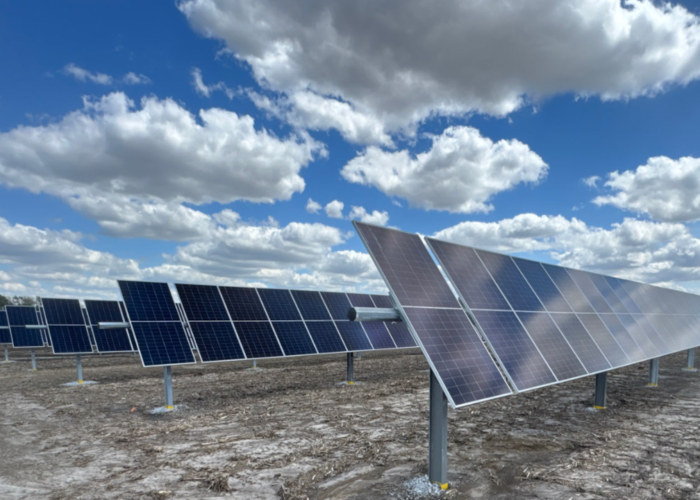
Saudi developer ACWA Power has started commercial operations at The Red Sea, a giant off-grid renewable energy project in Saudi Arabia that combines 340MW of solar PV with 1,227MWh of battery storage.
Billed as the largest off-grid renewables system of its kind in the world, the project started commercial operations on 6 September.
Try Premium for just $1
- Full premium access for the first month at only $1
- Converts to an annual rate after 30 days unless cancelled
- Cancel anytime during the trial period
Premium Benefits
- Expert industry analysis and interviews
- Digital access to PV Tech Power journal
- Exclusive event discounts
Or get the full Premium subscription right away
Or continue reading this article for free
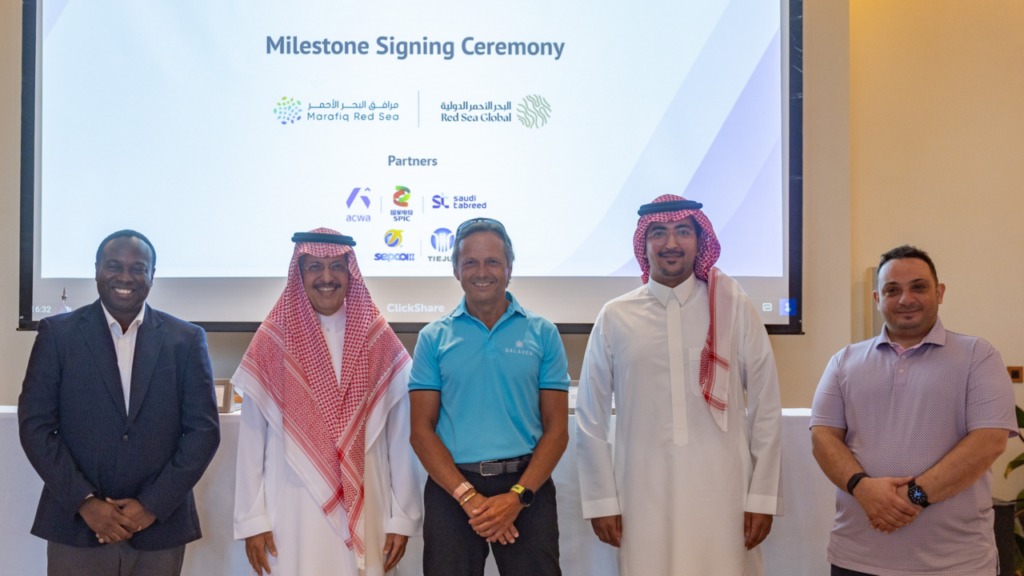
It is operated by the Marafiq Red Sea for Energy Company, which comprises ACWA, Chinese developer SPIC Huanghe Hydropower and district cooling provider Saudi Taubreed. These companies were joined in a commercial operating date signing ceremony last week by The Red Sea Utilities Company, a subsidiary of luxury real estate developer Red Sea Global, which, alongside ACWA Power, is owned by the Saudi Public Investment Fund (PIF).
Power from the project will be delivered to the Red Sea International Airport and surrounding facilities, in addition to hotels operated by Red Sea Global. ACWA will operate and maintain the project and expects it to have an operational life of 25 years.
“As the world’s largest integrated off-grid utilities system, and the first of its kind at this scale, the project sets a new global benchmark for sustainable development,” said ACWA founder and chairman Mohammad Abunayyan. “It also provides a world-leading model for delivering utilities as one cohesive system, enhancing efficiency, resilience and long-term reliability.”
ACWA said that the project aligns with Saudi Vision 2030, a government initiative to drive investments across a number of sectors including energy until the end of the decade. The programme aims to have around 100GW of solar PV in operation by 2030—significantly more than the 5-7GW of all renewable energy capacity in operation earlier this year—and The Red Sea will contribute to this total.
The developer also noted that “local content” is a key component of The Red Sea, saying that “equipment, materials and services” were sourced from Saudi suppliers “wherever the specification allowed”. While the company did not provide further details, this emphasis on local production of equipment is in line with a number of advancements in solar manufacturing projects across Saudi Arabia and the wider Middle East region.
Saudi Arabia itself identifies home-produced PV equipment as a key opportunity, and the 2030 vision sets various escalating local-content requirements for the equipment used in renewable energy projects.