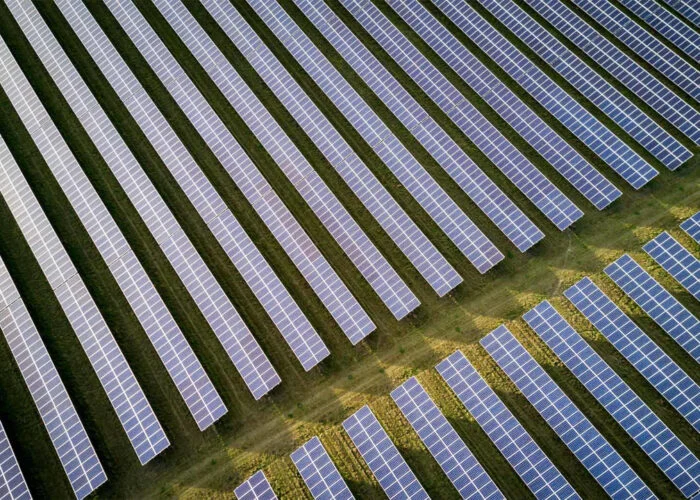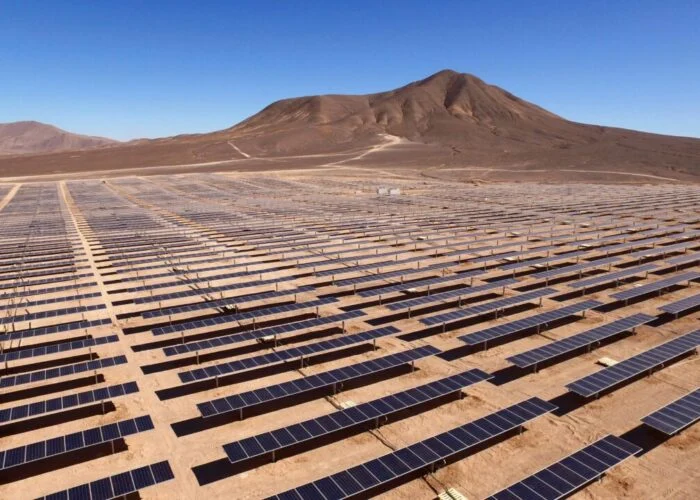
ESR, a Singapore-headquartered real asset owner and manager focused on logistics real estate and data centres, has signed an agreement to acquire 100% of Aquila Clean Energy APAC.
Aquila Clean Energy APAC is a clean energy platform that develops, owns, and operates solar, battery storage and wind assets across the region, from the Hamburg-based investment and industrial development company Aquila Group.
Try Premium for just $1
- Full premium access for the first month at only $1
- Converts to an annual rate after 30 days unless cancelled
- Cancel anytime during the trial period
Premium Benefits
- Expert industry analysis and interviews
- Digital access to PV Tech Power journal
- Exclusive event discounts
Or get the full Premium subscription right away
Or continue reading this article for free
Aquila Clean Energy APAC holds a 1.6GW portfolio of operational, construction and advanced development assets across Australia, New Zealand, South Korea, Japan and Taiwan.
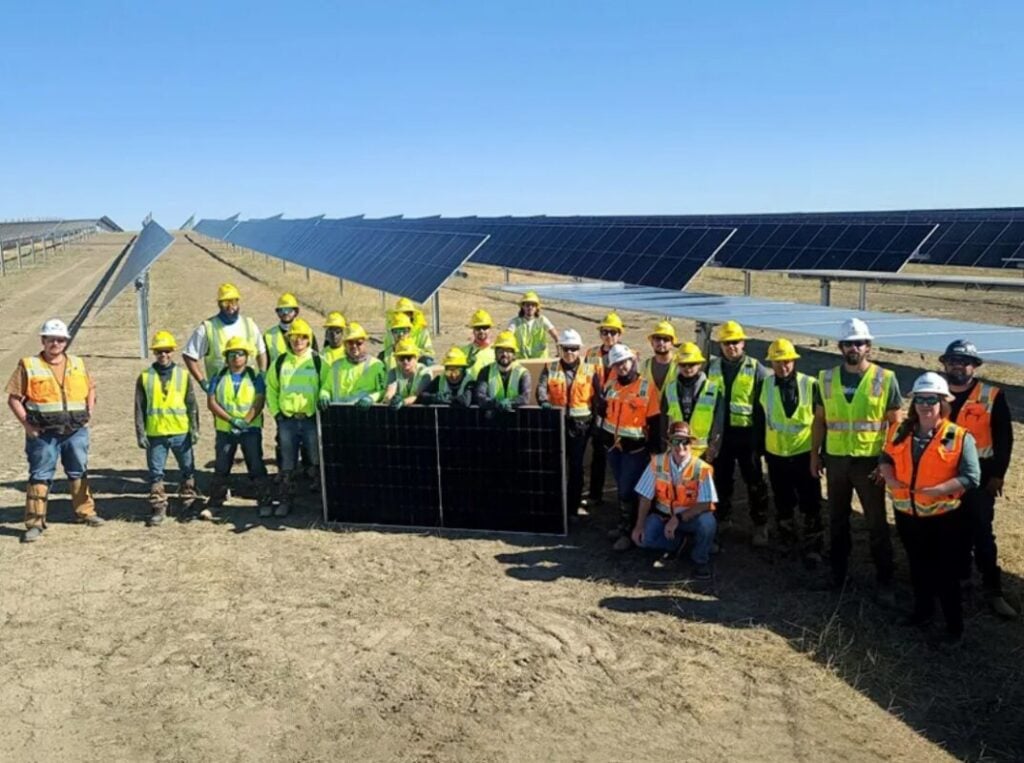
Earlier this year, Aquila Clean Energy energised the 38MW Omeheu solar PV plant in New Zealand’s Bay of Plenty region in July 2026, its second operational solar asset in the country, alongside a wider 580MW New Zealand pipeline that includes onshore wind and battery storage assets still in development.
ESR is an asset manager focused on “logistics real estate” and data centres. It said clean energy infrastructure is “increasingly critical” to these sectors, “driven by rising power demand and industrial decarbonisation”. Acquiring Aquila Clean Energy APAC will give the firm an asset portfolio to offer what it called “strong adjacencies” with its core businesses.
“ESR has entered its next phase of growth with a clear focus on the sectors that underpin resilient supply chains, digital economies, and long-term economic development,” said Phil Pearce, President of ESR. “As demand for logistics infrastructure, data centres, and power becomes increasingly interconnected, we see significant opportunities at the intersection of these sectors, with energy infrastructure becoming an increasingly compelling area for long-term capital deployment.”
Data centre power demand is expected to grow by 15% from 2024 to 2030, according to an International Energy Agency (IEA) model – more than four times total power demand over the period. The US and China will see the most growth in AI data centres and power demand, likely followed by the wider Asia-Pacific region
Completion of the transaction is expected by the first quarter of 2027, subject to customary closing conditions and regulatory approvals.
The full version of this story first appeared on our sister site, Energy-storage.news
Additional reporting by Will Norman