PV capacity in the Emerging Asia Pacific and Central Asia (EAPCA) region is forecast to exceed 3GW by 2017, according to a new report from market analyst company NPD Solarbuzz.
With only 723MW of PV demand in 2012, the report, Emerging PV Markets: Asia Pacific and Central Asia Report, states this represents a strong compound annual growth rate of 28%.
Try Premium for just $1
- Full premium access for the first month at only $1
- Converts to an annual rate after 30 days unless cancelled
- Cancel anytime during the trial period
Premium Benefits
- Expert industry analysis and interviews
- Digital access to PV Tech Power journal
- Exclusive event discounts
Or get the full Premium subscription right away
Or continue reading this article for free
Solar PV demand across the EAPCA region remains highly fragmented and is characterised by a diverse range of policies and end-market drivers, which is consistent with PV industry adoption in other emerging markets.
The report acknowledges that the Southeast Asia region is now widely recognised as a leading hub for upstream manufacturing.
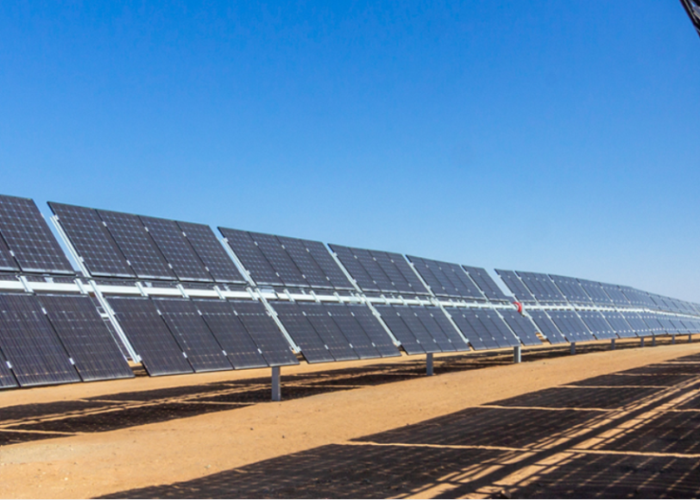
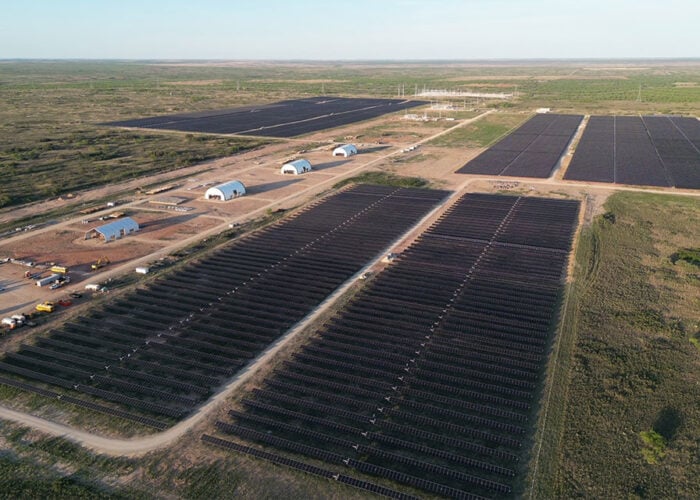
“Previously, most solar PV applications across the EAPCA region were based upon solar lighting applications or residential schemes,” said Steven Han, analyst at NPD Solarbuzz. “However, future PV demand will be based upon widespread adoption of large-scale, ground-mounted PV installations. By 2017, the ground mount segment will account for 64% of all PV demand from the EAPCA region.”
Solar PV demand across the region is expected to be dominated by Thailand, Malaysia, the Philippines, Indonesia, and Taiwan. Between 2013 and 2017, these five countries will account for 50% of the cumulative PV demand forecast from the EAPCA region.
Thailand is forecast to be the region’s largest market, driven by rapid growth in demand for electricity and the requirement to decrease its financial burden from imported energy. Short-term PV demand will emerge by executing on project pipelines accumulated from the previous Adder Support Scheme.
Indonesia has long-term plans for solar power to provide 0.3% of the national energy mix by 2025, equivalent to 1GW of new solar demand. Indonesia is also forecast to become the second largest solar PV market within the Southeast Asia region by 2017, supported by forthcoming feed-in-tariff incentives. Taiwan and South Korea have also prioritised solar PV within their renewable energy targets.
The report states that over the next few years, a greater number of countries will contribute to overall PV demand from the EAPCA region.
The Philippines accumulated more than 500MW within its solar PV pipeline at the end of 2012, with strong investments coming from Japan and South Korea.
Bangladesh has developed a large off-grid PV market with plans to install an additional one million solar PV systems by 2016.
Kazakhstan is targeting 77MW of solar power generation over the next few years, and Pakistan has announced over 500MW of solar deployment.
“Although challenges will remain in securing adequate solar PV project financing, we forecast that overall PV demand from the EAPCA region will account for 5% of global PV demand by 2017, with the potential to reach 5GW,” concluded Han.
PV-Tech's parent company Solar Media will be hosting Solar Energy Southeast Asia from 3-4 December 2013 to celebrate the region's success. This is an annual top-level conference and exhibition with the aim of supporting and developing solar business opportunities throughout the ASEAN region. Click here for more information.