An Australian solar-plus-storage project that aims to supply 20% of Singapore’s electricity demand has been marked as a priority initiative by advisory group Infrastructure Australia.
The advisory has included a pipeline of 44 infrastructure projects worth AU$59 billion (US$45.5 billion) on its Priority List, which highlights “significant” infrastructure projects being developed in Australia in an effort to encourage public and private investment in them.
Try Premium for just $1
- Full premium access for the first month at only $1
- Converts to an annual rate after 30 days unless cancelled
- Cancel anytime during the trial period
Premium Benefits
- Expert industry analysis and interviews
- Digital access to PV Tech Power journal
- Exclusive event discounts
Or get the full Premium subscription right away
Or continue reading this article for free
As well as increasing the proportion of renewable energy systems powering the grid, the list includes an initiative to develop large-scale solar and dispatchable storage in the Northern Territory.
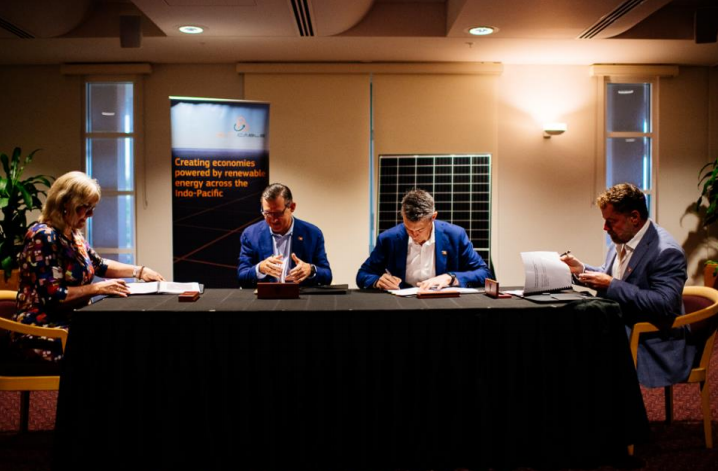
Renewable energy company Sun Cable signed a deal earlier this year (28 January) with Michael Gunner, the Northern Territory’s chief minister and renewables and infrastructure minister Eva Lawler to develop the Australia-ASEAN Power Link project (AAPL), which is designed to generate, store and transmit electricity overseas. Now, the project has been included in the Infrastructure Priority List.
The AAPL includes a 4,500km high voltage direct current (HVDC) transmission system connecting a 10GW solar / 30GWh storage facility near Darwin with Singapore. Sun Cable predicts that the AU$22 billion project will be able to export roughly AU$2 billion of solar energy annually to Singapore, which would connect Australia to the ASEAN power grid. With the project’s funding expected to close in late 2023, it is hoped it will come online by 2026, and start exporting to Singapore a year later.
It is not the first time the project’s status has been fast-tracked by the government. First unveiled in 2019 as part of the Northern Territory’s own net-zero emissions target, it was awarded Major Project Status last July, with industry minister Karen Andrews noting it would enable Australia to export renewable energy “on an unprecedented scale”.
The Priority List is designed to highlight “significant” infrastructure projects in development in Australia to government and institutional investors. Expanding REZs and dispatchable energy storage capacity were also listed as High Priority Initiatives for the first time this year.
It is hoped the AAPL’s inclusion on the Priority List last month (26 February) will now promote government and private sector investment in the project.
Gunner said the project would see up to AU$8 billion invested in the region, boosting the local economy with job creation, and turning NT into a “renewable energy superpower”.
“Renewable energy from Sun Cable delivered at scale into Darwin will be the catalyst for growth in existing and emerging industries,” Gunner said, “including low-emissions manufacturing and zero-emissions data centres and digital services.”
Sun Cable’s chief executive, David Griffin said the company will be able to both “harness abundant renewable energy resources for domestic electricity supply” while also establishing a cross-continental renewable energy export industry in Australia.
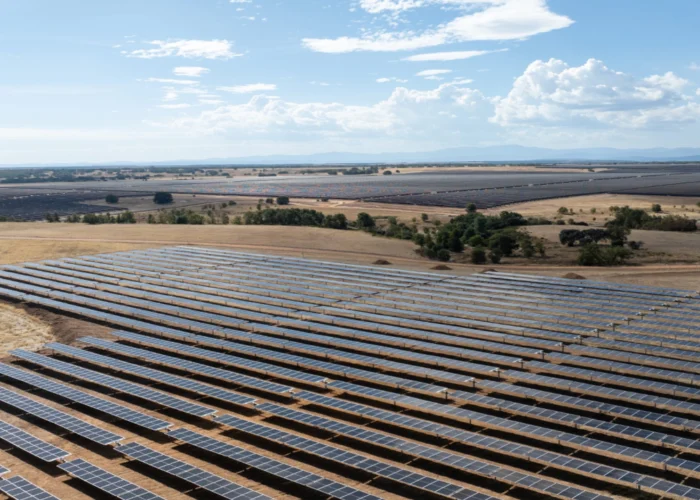
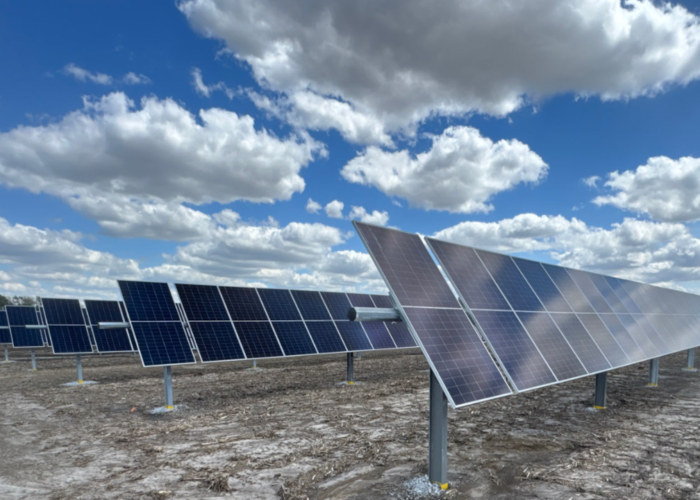
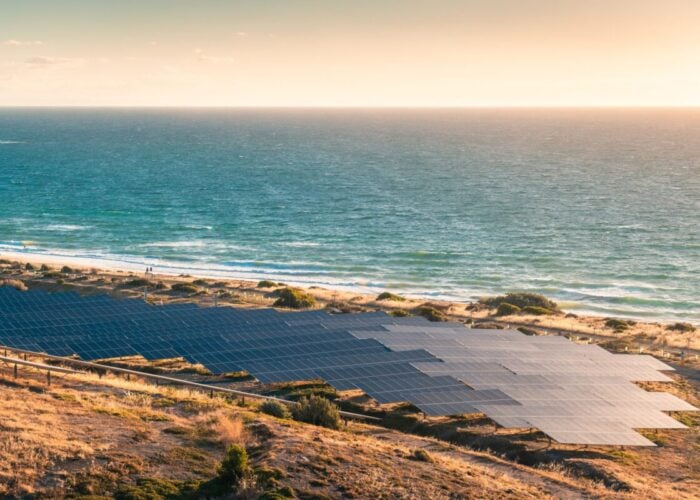
The project includes a 13 GW solar farm, set to be the world’s largest on completion, on a 12,000-hectare site at Powell Creek, near Elliott in the NT, plus 27GWh of critical battery storage at the solar farm in Darwin and in Singapore. This will be used to power local and international communities with the addition of HVDC submarine transmission cables from Darwin to Singapore, via Indonesia, and a 750-kilometre overhead transmission line from the solar farm to Darwin.
Infrastructure Australia said that the country requires “significant investments in dispatchable energy storage to support growing renewable energy generation and the future retirement of coal-fired generators.”