Australian solar developer, BNRG Leeson, has submitted plans for a 440MW solar PV facility in Victoria’s Campaspe Shire to Australia’s Environment Protection and Biodiversity Conservation (EPBC) Act.
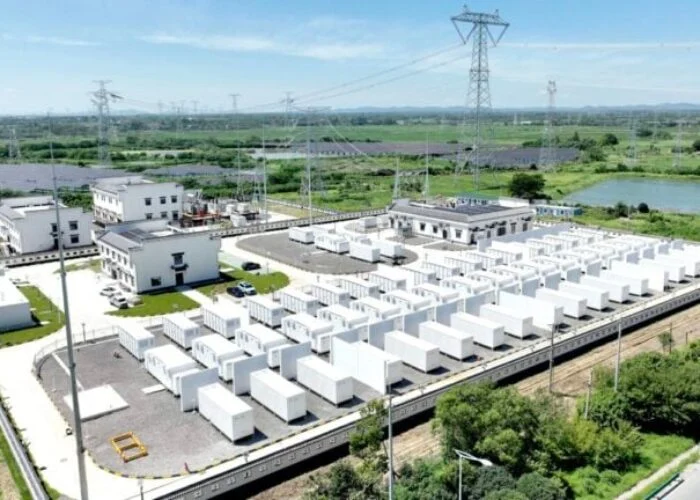
Named the Corop Solar Farm, the solar-plus-storage project will combine renewable energy generation with a battery energy storage system (BESS) up to 800MWh, across 1,100 hectares.
Try Premium for just $1
- Full premium access for the first month at only $1
- Converts to an annual rate after 30 days unless cancelled
- Cancel anytime during the trial period
Premium Benefits
- Expert industry analysis and interviews
- Digital access to PV Tech Power journal
- Exclusive event discounts
Or get the full Premium subscription right away
Or continue reading this article for free
BNRG Leeson, a joint venture between Dublin-based BNRG Renewables and Melbourne’s Leeson Group, is developing the Corop Solar Farm.
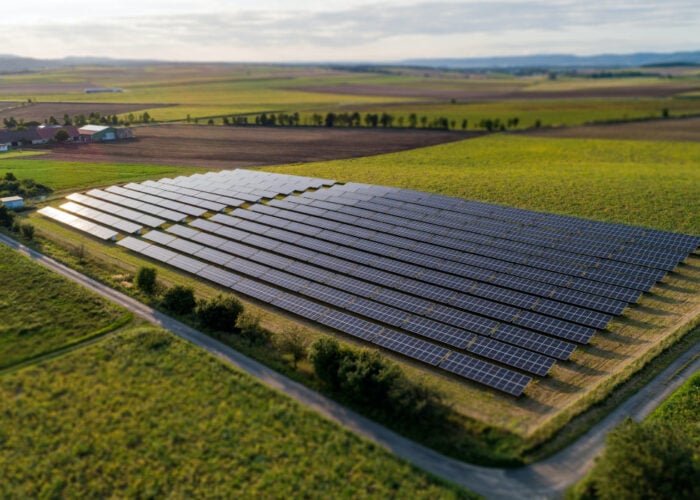
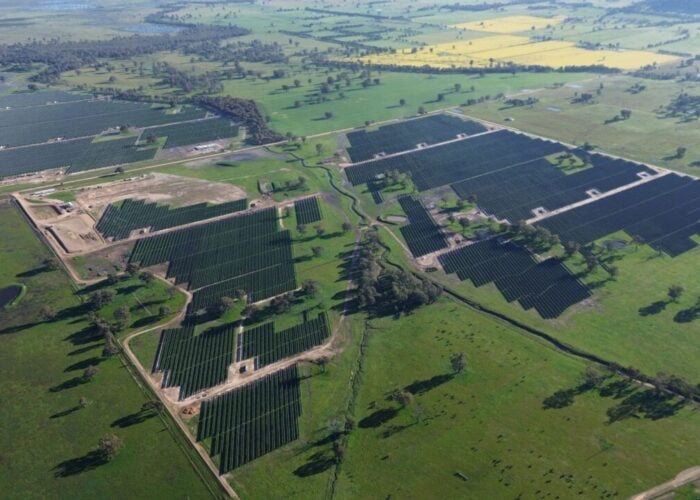
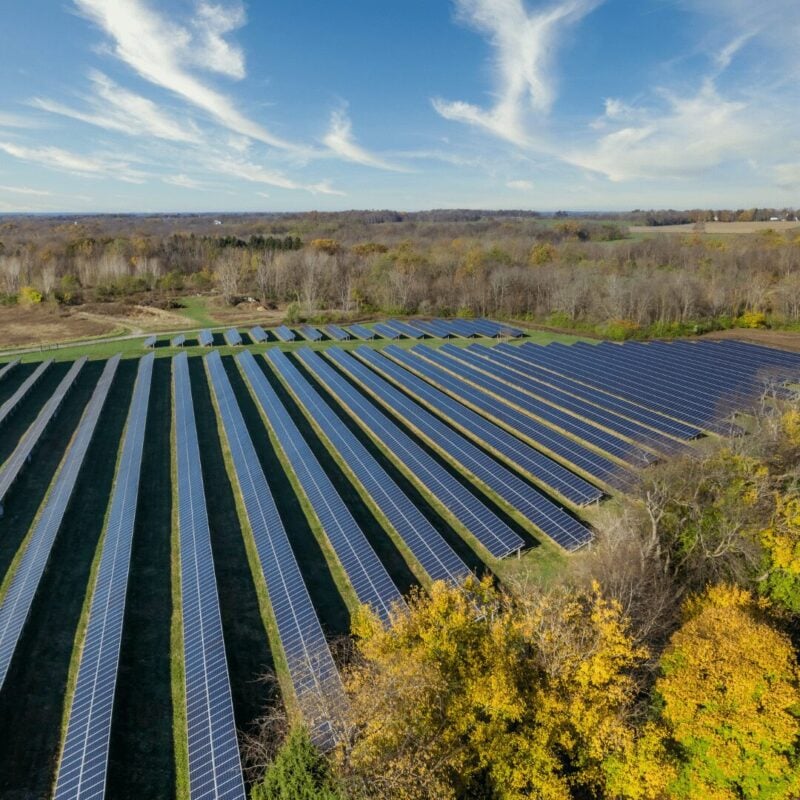
The facility will deploy approximately 1.19 million solar modules on single-axis tracking systems with maximum tilt heights of 4.35 metres. Panel rows maintain a 6-metre spacing across the development footprint, which spans 12 land titles in the Farming Zone.
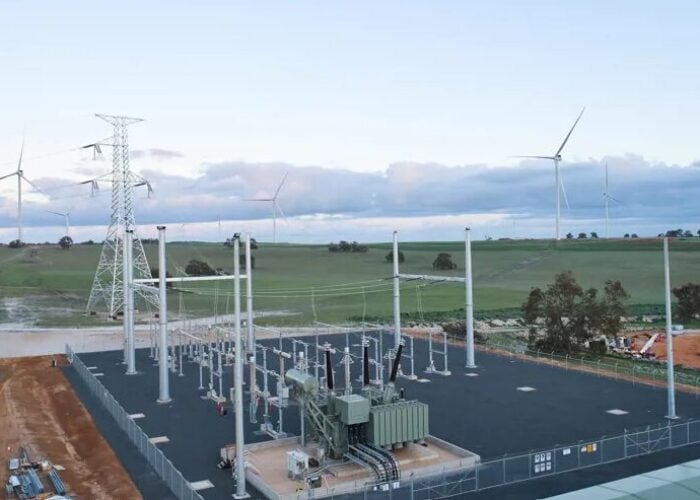
The solar PV plant’s 440MWdc generation capacity will connect to Victoria’s transmission network through a dedicated substation and switching station. This will link to the existing 220kV transmission line and the wider National Electricity Market (NEM), which spans Australia’s eastern and southern states and territories.
Meanwhile, the co-located 800MWh BESS will feature up to 208 containerised units with integrated inverters and transformers. The BESS components occupy a designated storage area within the broader facility footprint, providing grid stabilisation services alongside energy storage functionality.
The facility occupies heavily modified agricultural land with extensive clearing, cropping, and grazing history, reducing environmental constraints while providing suitable conditions for large-scale solar development.
The flat terrain, with elevation profiles ranging from 105 to 110 metres, offers optimal solar module installation and maintenance access conditions. Critically, the site’s proximity to existing transmission infrastructure eliminates the need for extensive new transmission lines, reducing project costs and environmental impacts.
Environmental assessments confirm the absence of threatened ecological communities within the development footprint. The site contains three temporary freshwater wetlands that will be avoided through careful facility design.
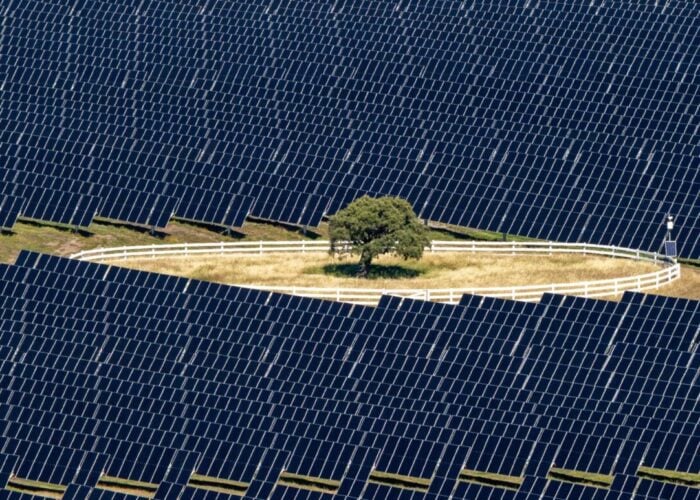
At the same time, native vegetation remnants, including scattered Grey Box, Buloke, Yellow Box and River Red Gum trees, will be preserved outside main development areas.
The facility targets construction commencement in January 2026, with operations planned through 2066. This 40-year operational timeline reflects standard industry practice for utility-scale solar installations and provides long-term renewable energy supply certainty for Victoria’s electricity market.
Solar PV in Australia’s EPBC Act
Australia’s renewable energy sector continues to expand rapidly, with numerous large-scale solar and storage projects progressing through the federal environmental approval process under the EPBC Act.
The EPBC Act, administered by the federal government, aims to protect nationally threatened species and ecological communities. A project must receive approval under the act before development can begin.
If a project is deemed to impact these matters significantly, it becomes a “controlled action” requiring assessment and approval under the EPBC Act. In contrast, if a project does not have a significant impact, it becomes “not a controlled action,” meaning it is clear for development.
Recently, ACE Power and Osaka Gas Australia received EPBC Act approval for their 141MW Forbes Solar Farm Project in New South Wales in just 19 days, marking one of the fastest environmental approvals on record in the country.
The solar PV power plant will include a 120MW/480MWh BESS, a 270-hectare site approximately 11km north of Forbes. The rapid approval timeline stemmed from the developers’ decision to locate the facility on degraded agricultural land with minimal native vegetation.
Another solar PV power plant, the Weasel Solar Farm, a landowner-led 250MW solar-plus-storage project in Tasmania, received EPBC Act clearance in just 20 days earlier this year.