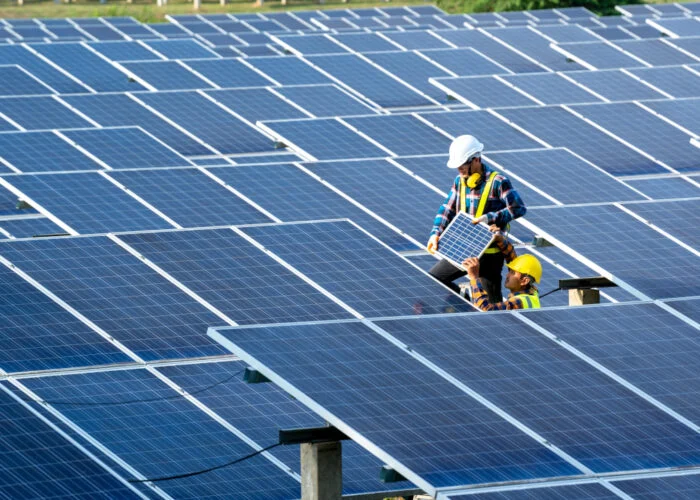
The Australian government has given the green light for a landowner-led 250MW solar-plus-storage project in Tasmania.
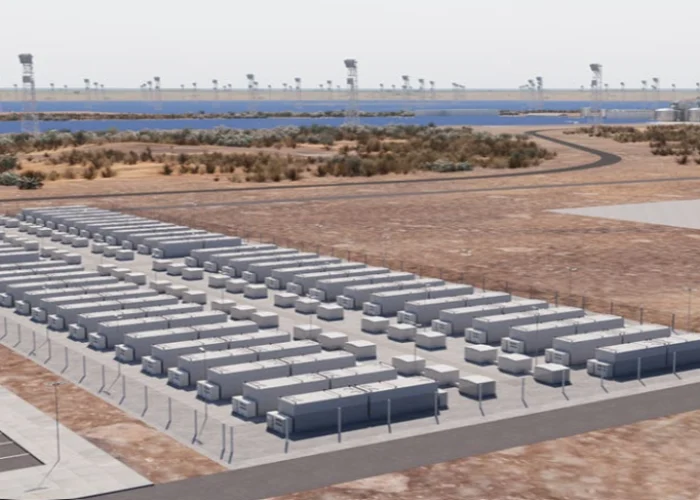
The Weasel Solar Farm project was submitted to the federal government’s Environment Protection and Biodiversity Conservation (EPBC) Act in April 2025. It includes plans for a co-located battery energy storage system (BESS) that will be 144MW/576MWh in size and occupy a 3-hectare area.
Try Premium for just $1
- Full premium access for the first month at only $1
- Converts to an annual rate after 30 days unless cancelled
- Cancel anytime during the trial period
Premium Benefits
- Expert industry analysis and interviews
- Digital access to PV Tech Power journal
- Exclusive event discounts
Or get the full Premium subscription right away
Or continue reading this article for free
The federal government confirmed that the approval process for this project took just 20 days.
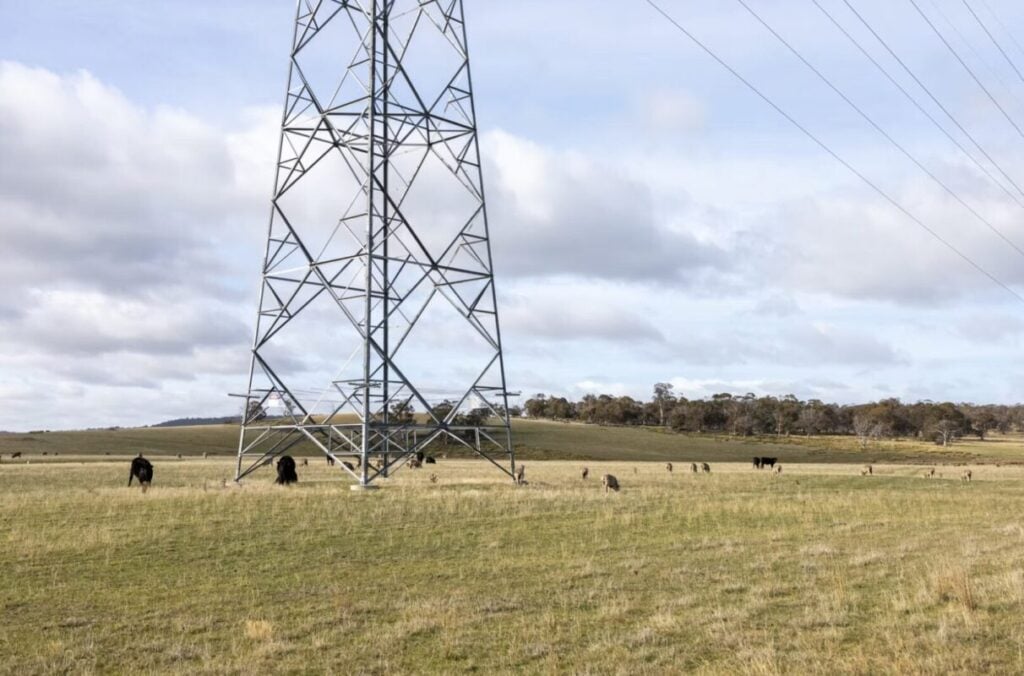
It will be located 9km north of Bothwell in the centre of the state and near the River Clyde. It will be connected to the National Electricity Market (NEM) and within the T3 Tasmania Midlands proposed Renewable Energy Zone (REZ).
The Downie family from Dungrove and the Bowden family from Weasel Plains are proposing the project in collaboration with Alternate Path, an energy consultancy based in Victoria.
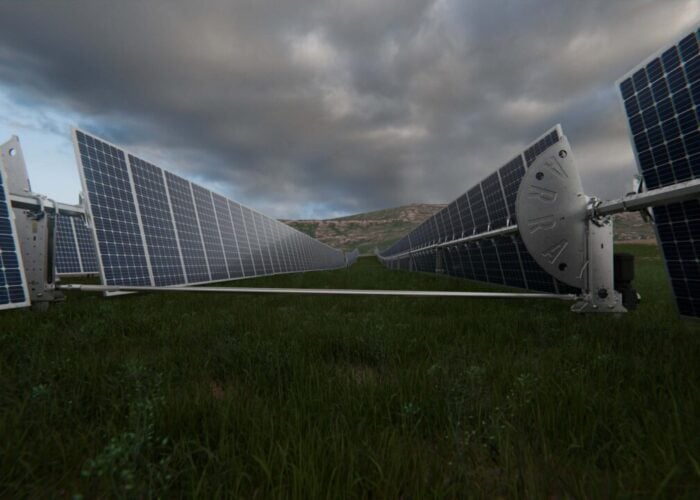
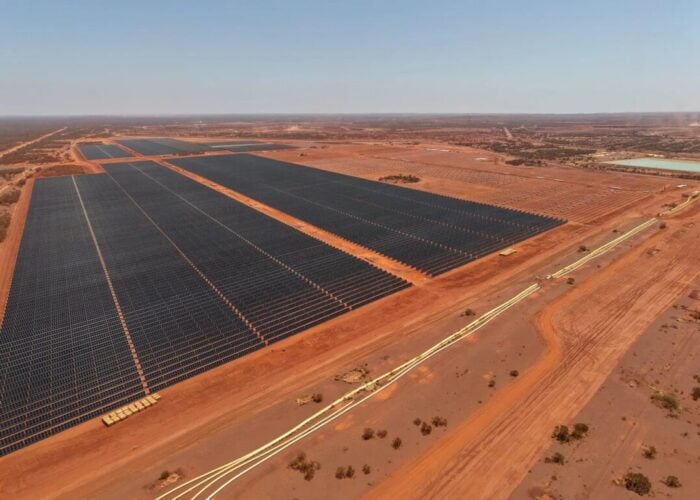
The solar PV power plant will feature up to 4,000 single-axis tracking PV modules installed over 270 hectares of land. The plant’s layout will enable the continuation of agricultural practices, principally sheep grazing, in a site use combination often called ‘agrivoltaics’.
Alongside agrivoltaics, the project developers have stated their desire to ensure forestry practices can continue in the vicinity to “generate significant social and economic benefits for the local community, surrounding landowners, and the state of Tasmania.”
Australia’s minister for the environment, Murray Watt, said the project is an excellent example of how agricultural practices can be incorporated into the design of a solar PV plant.
“This project is another example of how we can capitalise on our natural resources and make the shift to cheaper, clean, reliable, renewable energy. “We’re producing record renewable electricity, and we are on track to transform Australia into a renewable energy superpower,” minister Watt said.
The project’s anticipated operational lifespan is 30 to 40 years. At the end of its tenure, the plant will be decommissioned.
Tasmania’s renewable energy prowess and ‘Battery of the Nation’ plan
Readers of PV Tech may be aware that Tasmania is already 100% self-sufficient in renewable electricity generation and has been net zero in six out of the last seven years.
Most of the state’s renewable energy supply comes from hydro generation and storage schemes, with Tasmania holding 27% of Australia’s total freshwater dam storage capacity. Alongside this, the state gains significant contributions from Tasmanian wind farms, which benefit from the ‘Roaring Forties’, an area of the globe that continuously sees strong winds of around 15 to 30 knots all year round.
Because of this, solar has been limited to small-scale projects and provides just 1% of Tasmania’s electricity. However, the state government removed a ‘speed limit’ measure last year that has prevented state-owned utility Hydro Tasmania from developing large-scale renewable energy projects, such as solar, without a “cumbersome” Parliamentary process.
Creating the aforementioned Marinus Link will support Tasmania in achieving its “Battery of the Nation” plan, which would see the island state provide significant amounts of renewables to the NEM through pumped hydro and renewables.
State-owned utility Hydro Tasmania revealed in 2022 that it was exploring opportunities to develop a further 1,500MWh to 3,500MWh of pumped hydro energy storage (PHES) as a means to provide dispatchable capacity to the NEM.
Meanwhile, the large amount of wind generated in Tasmania could be used in Victoria to increase renewables in its electricity mix. As part of this, Victoria, backed by its vast arsenal of utility-scale solar PV power plants, could export solar-derived energy to Tasmania and increase its share in the electricity mix.