With approximately 15 entrants wanting to stake a claim in the emerging solar microinverter and DC-DC power optimization market, rapid growth is required to avoid failures. According to a new report from IMS Research, the market is forecasted to generate more than US$1.5 billion in revenues over the next five years with device shipments growing 100% per year, totalling more than 16 million units. As expected the key market will be residential, offering power output defence from shading and inverter failures, according to the market research firm.
“With any industry growing as rapidly as photovoltaics, there are huge opportunities available; we predict very rapid growth in the market for microinverters and power optimizers.” Noted Ash Sharma, IMS Research’s Photovoltaics Research Director. “Although we don’t see them being used in every installation type, the PV market still offers substantial opportunity for growth for suppliers of the products.”
Try Premium for just $1
- Full premium access for the first month at only $1
- Converts to an annual rate after 30 days unless cancelled
- Cancel anytime during the trial period
Premium Benefits
- Expert industry analysis and interviews
- Digital access to PV Tech Power journal
- Exclusive event discounts
Or get the full Premium subscription right away
Or continue reading this article for free
Only one supplier, Enphase Energy had any significant volume shipments in 2009, reaching over 100,000 microinverter shipments.
“Soon more than a dozen suppliers will be serving the growing market and even market leader SMA now has a microinverter platform following its acquisition of OKE,” Sharma added.
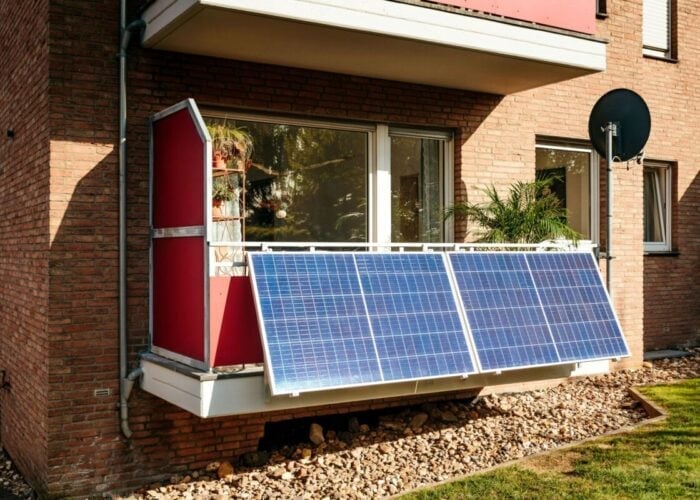
IMS Research expects residential and small commercial installations will account for more than 80% of shipments; only power optimizers will be taken up in quantity in larger installations, since they do not eliminate the large centralized inverter.
However, this would account for less than 10% of the global PV installations in 2014, indicating either market resistance due to cost concerns or potential for stronger penetration as the benefits of the technology becomes better understood by installers and residential customers.